
Last updated November 15, 2026
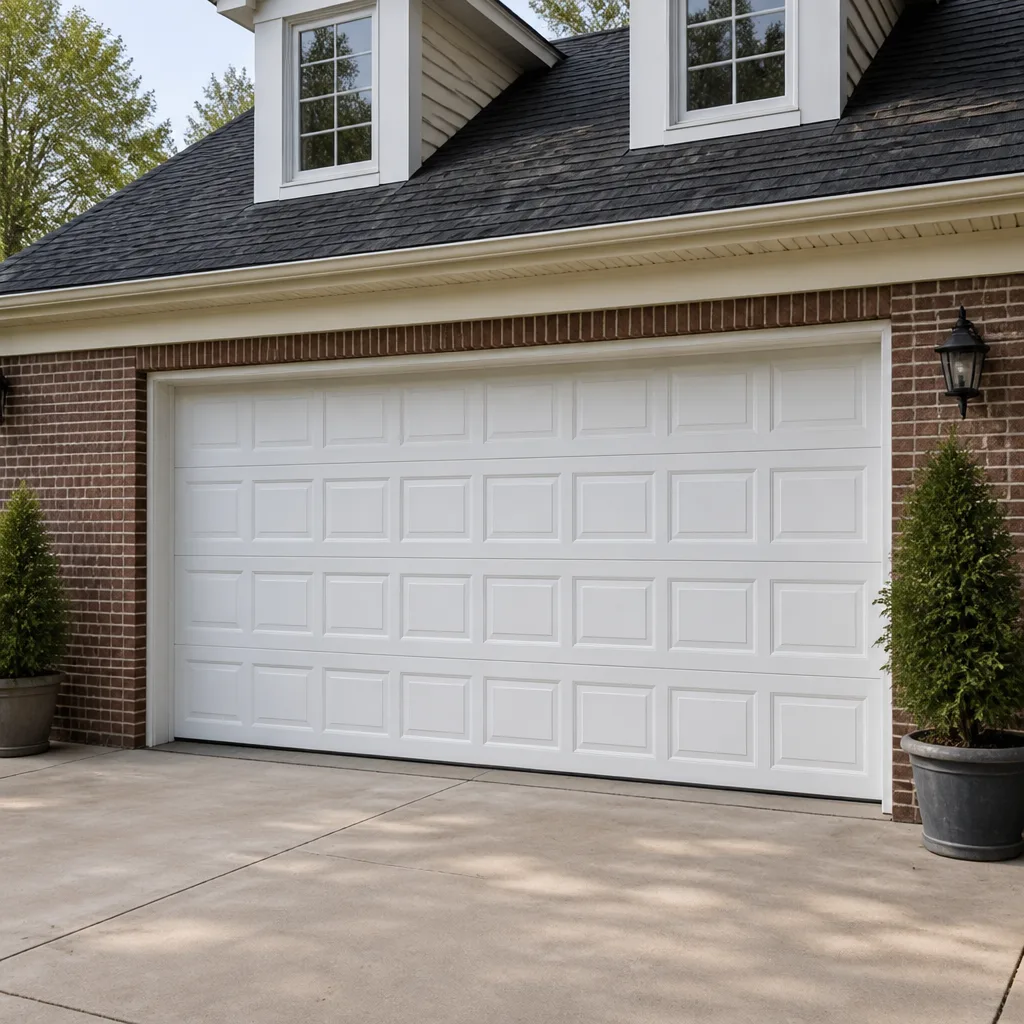 Raised-panel steel
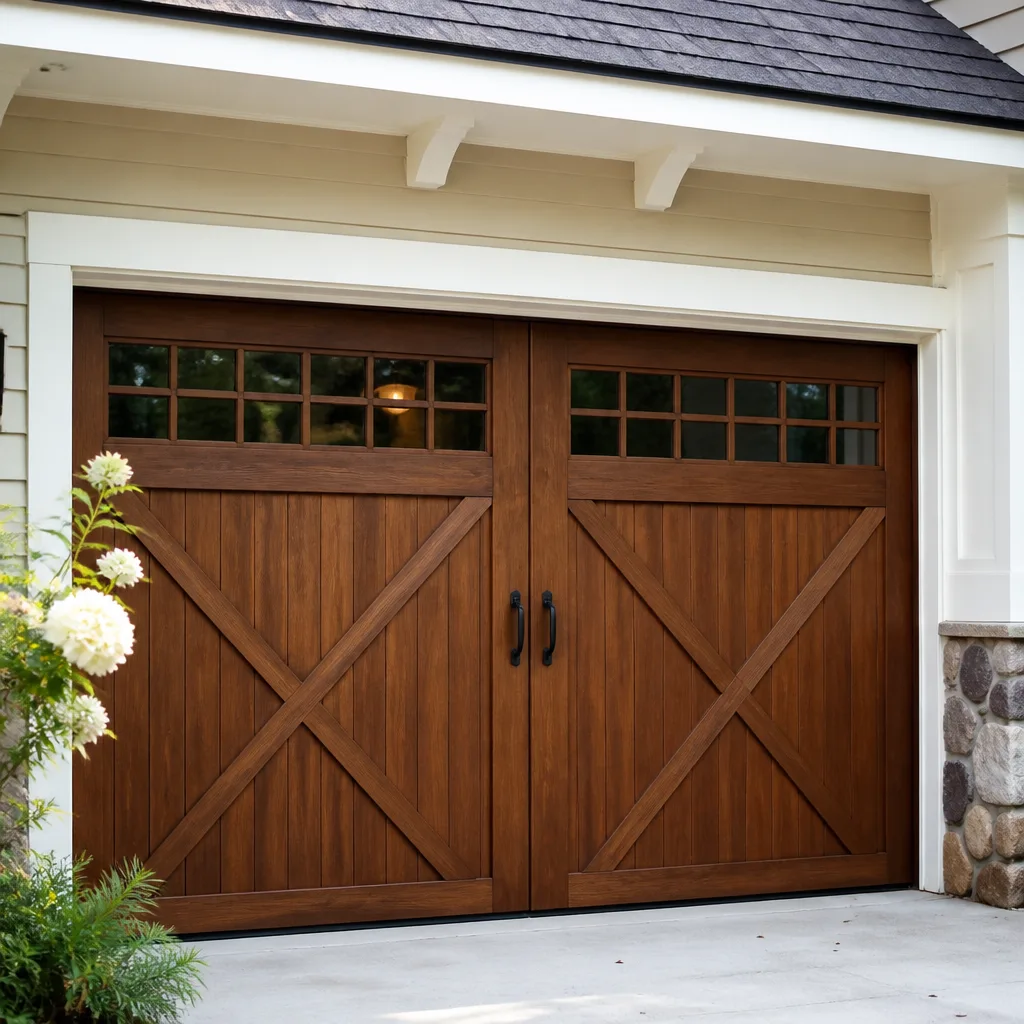 Carriage house
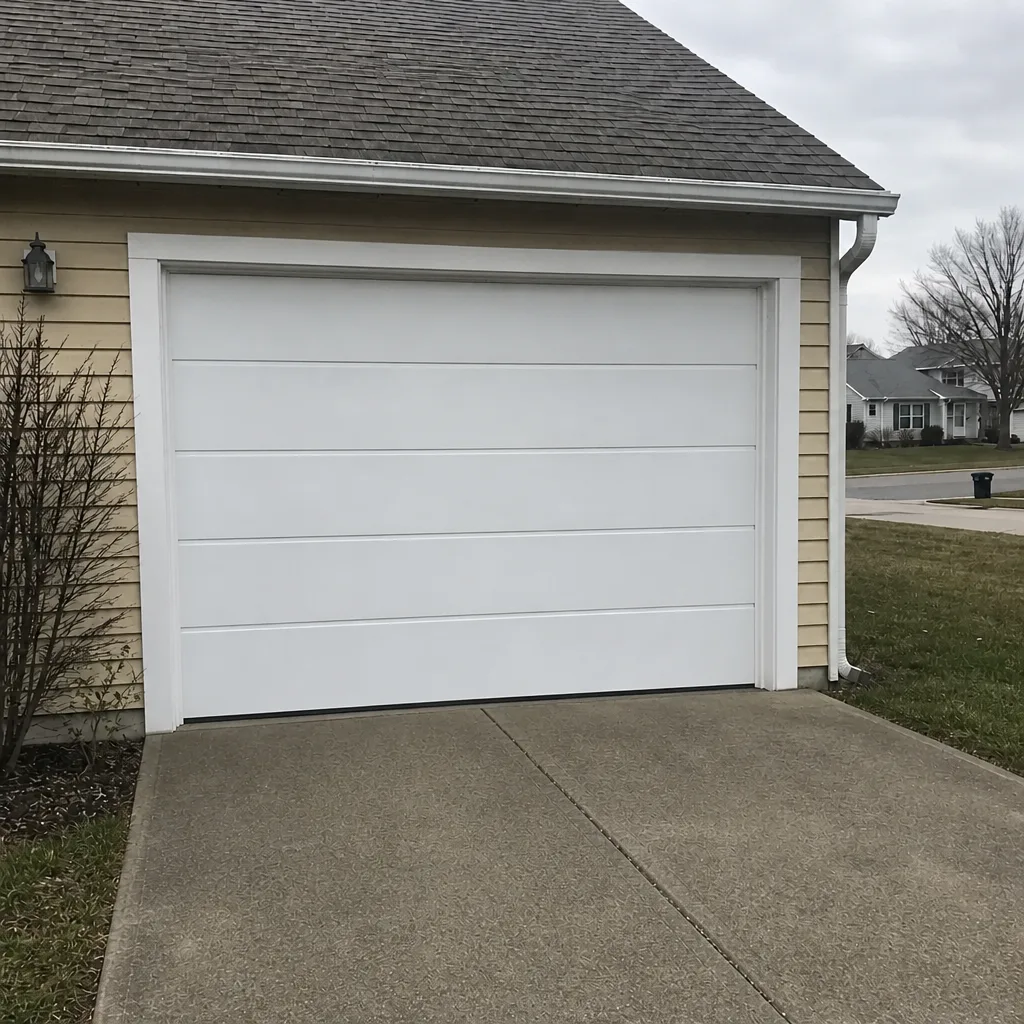
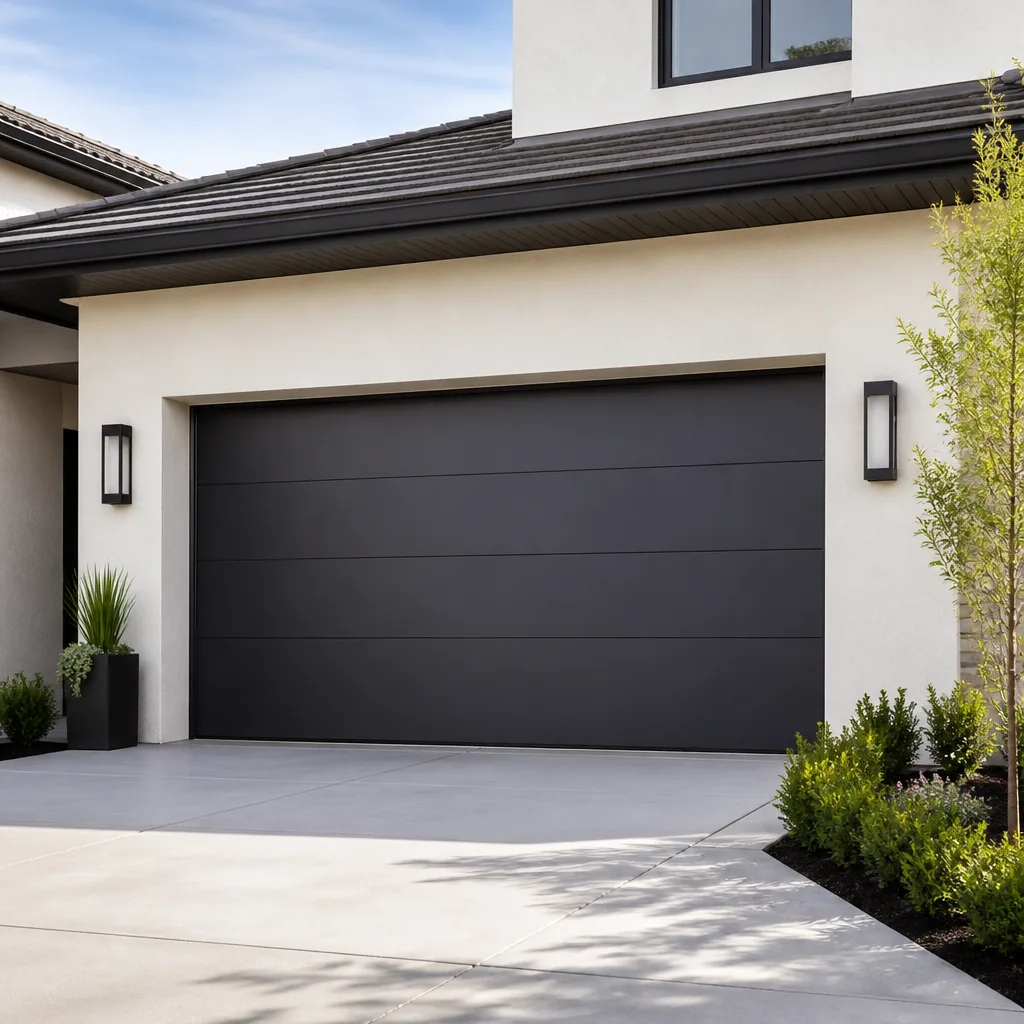 Modern flush
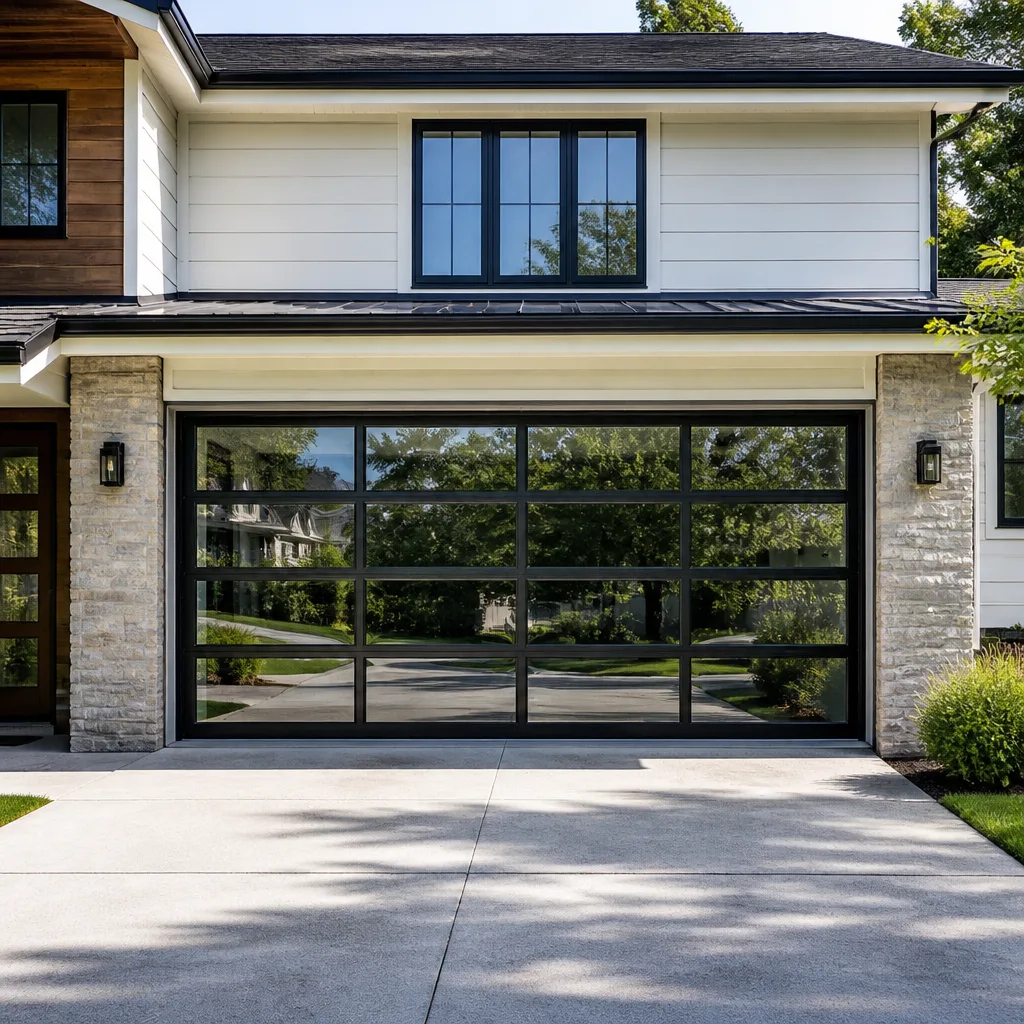 Full-view glass
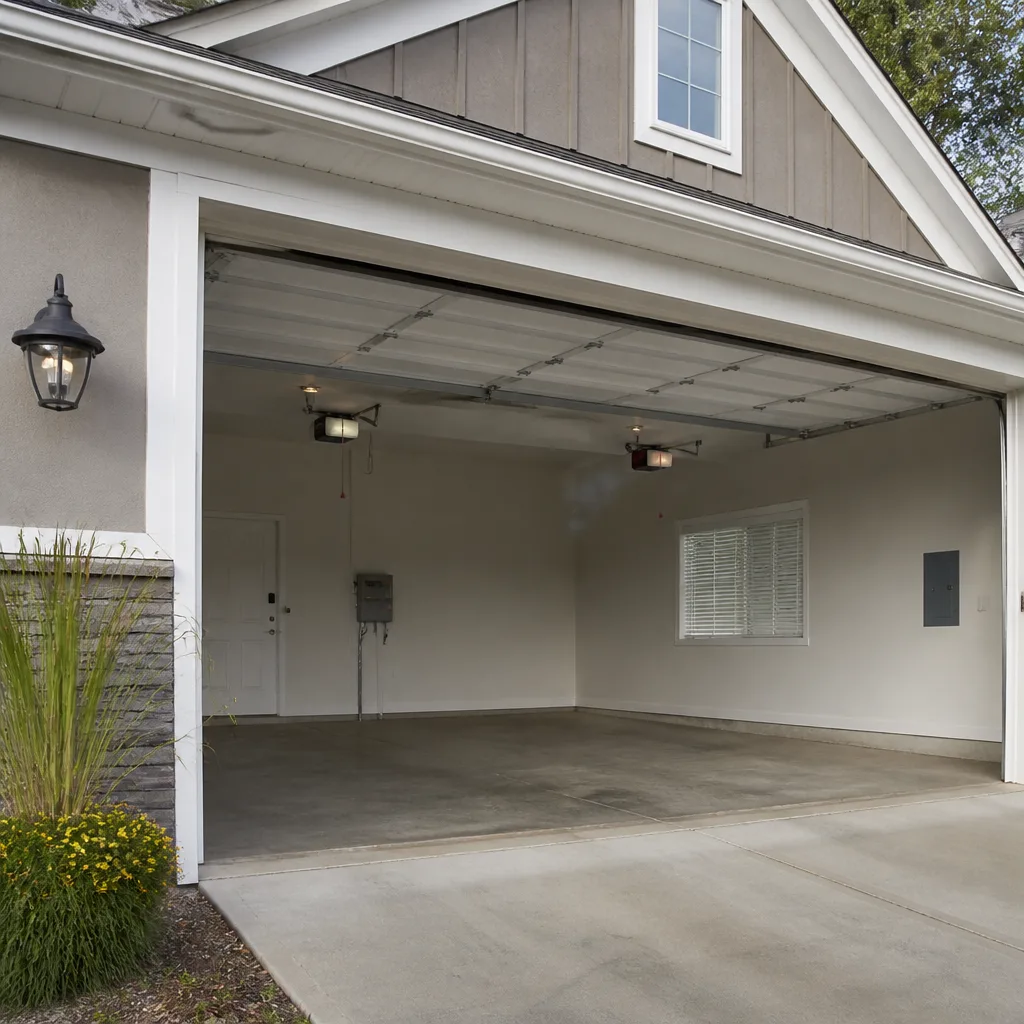 LiftMaster openers
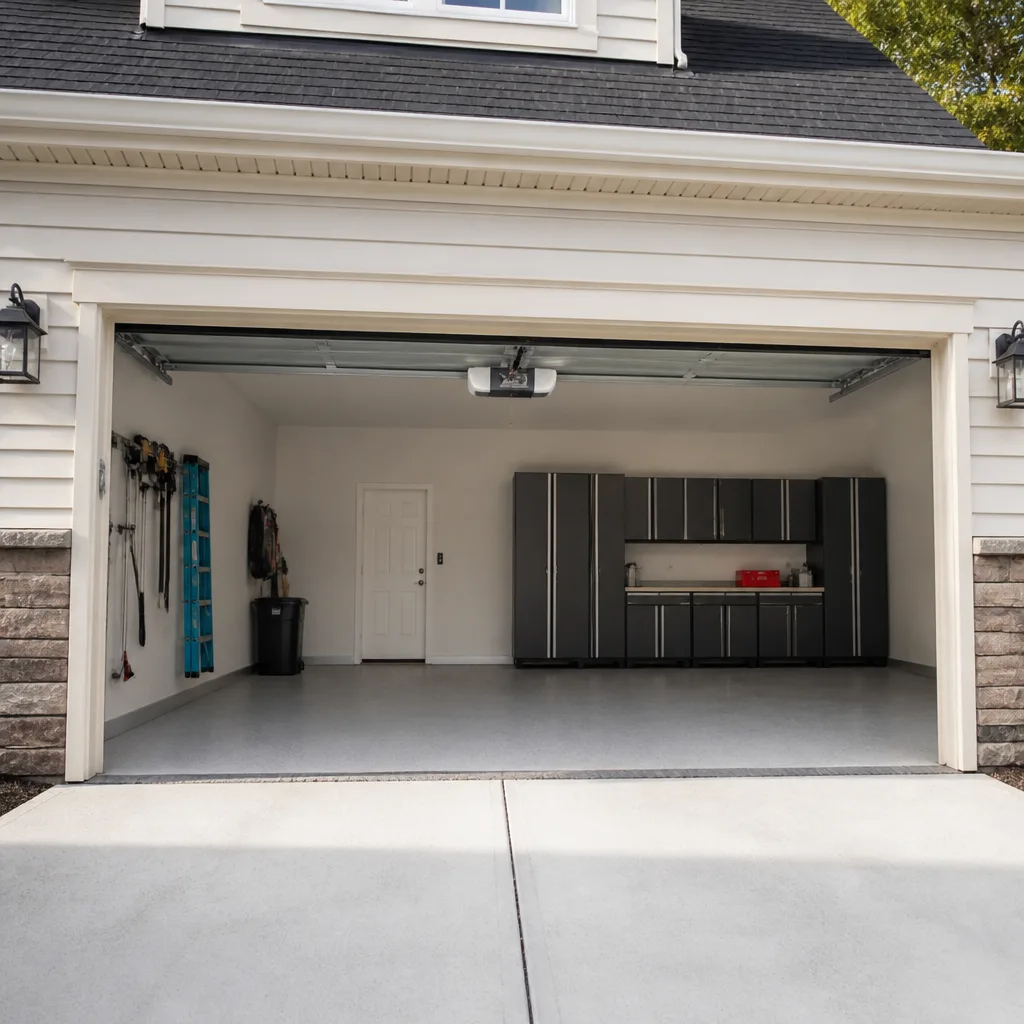 Chamberlain openers
Full 25-point door and opener safety check with every visit - springs, cables, rollers, tracks, and your LiftMaster or Chamberlain opener included
You get a price before we start. It does not change when the pro arrives.
Get your free estimateGarage Door Warning Signs: A Carmel Homeowner’s Reference Guide
A garage door that hesitates for half a second before it moves isn’t quirky. That pause is your opener straining against increased mechanical resistance, and in our experience it’s one of the most reliable early signs that a spring system is nearing failure. Most garage door breakdowns don’t strike without warning. They announce themselves first through sound, movement, and small visual changes that homeowners chalk up to normal wear, sometimes for months. This guide breaks down what each warning sign actually means, which ones you can monitor and schedule, and which ones mean you should stop using the door today. We’ll cover Carmel-specific context too, from our clay soil to our freeze-thaw winters.
Styles & brands we work with
- Raised-panel steel
- Carriage house
- Modern flush
- Full-view glass
- LiftMaster openers
- Chamberlain openers
Quick Answer
The most important garage door warning signs in Carmel are a door that pauses before moving, grinding or popping sounds during operation, a door that looks visibly crooked from the driveway, and an opener that reverses without reason or responds sluggishly. Signs that suggest a spring or cable problem – loud popping, a door that slams, or one that won’t lift at all – mean stop using it and call a professional. Signs like squealing, rattling, or reduced remote range are usually safe to monitor while you schedule a service visit.
Table of Contents
- What Your Garage Door’s Sounds Are Telling You
- Reading Your Door From 10 Feet Away: The Asymmetry Test
- The Manual Balance Test Any Homeowner Can Do
- Opener Behavior Changes and What They Mean
- Monitor, Schedule, or Stop Using the Door: A Triage Framework
- Why Carmel’s Climate Accelerates Certain Failures
- Brand-Specific Signals Worth Knowing
- When to Call a Professional
What Your Garage Door’s Sounds Are Telling You
Sound is the cheapest diagnostic tool you have. Before any technician takes a wrench to your door, the noise it makes during operation narrows the problem down to a handful of components. Here’s how we map each sound to its likely source.
- Grinding: Usually metal-on-metal contact. On a door with a chain-drive opener, a grinding chain is often a lubrication or tension issue. On the door itself, grinding almost always points to worn rollers or a bent track section the roller is dragging against. Grinding that shows up only on one side usually means that side’s rollers or track need attention first.
- Popping: A single loud pop during operation, especially during the first few inches of travel, is the classic sound of a torsion spring winding down or a section of the spring breaking. Popping from a screw-drive Genie opener’s rail is a different animal and is often the carriage or the rail’s internal screw wearing. If the popping is abrupt and loud, stop using the door.
- Squealing: High-pitched and continuous, squealing usually comes from dry rollers, a dry torsion tube, or a hinge that’s given up its lubrication. A LiftMaster or Chamberlain with a belt drive shouldn’t squeal at all, so a squeal on a belt unit often means a bearing in the opener is on its way out.
- Rattling: Loose hinges, loose section bolts, or a torsion tube that has begun to walk in its bearings. Rattling is usually the least urgent of the four, but it gets worse fast if you leave it alone.
- Banging or slamming: The door is dropping too quickly. Springs have lost tension, or cables have stretched. This one is a stop-using-it-now sign.
In our experience in Carmel, spring popping tends to cluster after the first cold snap of the winter, and squealing tends to spike in late summer after months of dry heat. Both patterns are worth keeping in mind when you’re trying to decide how quickly to act.
Reading Your Door From 10 Feet Away: The Asymmetry Test
You don’t need a level or a tool to catch cable and spring imbalance. Stand about 10 feet back from the door, on the driveway, in daylight, and look at three things. First, the gap between the bottom of the door and the floor. Second, the gap between each side of the door and its track. Third, the vertical line of the door’s panels.
If the bottom gap is wider on one side, that tells you which side is losing tension. Here’s the difference that matters:
- A warp that’s largest at the bottom and shrinks toward the top usually points to a cable problem on the slack side. The cable has stretched or slipped its drum, and the door is being pulled up unevenly.
- A warp that seems to live along the whole panel height, with the middle bowing out, tends to be a spring problem or a torsion tube that has walked out of its bearing. The door has lost even lift across its width.
- One whole panel visibly twisted while the others stay square means the section itself is bent or the hinge connecting it has failed. That’s usually impact damage, not a spring.
Once you know which side is off, you can tell a technician over the phone which corner of the door is sagging. That single detail saves diagnostic time on arrival. When you call us at (855) 535-1056, that’s the kind of information that helps us route the right tools to your door on the first visit.
The Manual Balance Test Any Homeowner Can Do
You can assess the health of your springs without touching a tool. The test is safe as long as you follow the steps below and stop if the door behaves unpredictably. What you’re checking for is whether the door can hold itself in the middle of its travel, which tells you the springs still have lift left in them.
- Close the door fully.
- Pull the opener’s manual release cord. This disconnects the door from the opener so you’re testing the door alone, not the opener.
- Lift the door by hand to about waist height.
- Let go. Step back. Do not stand under the door.
- Watch what it does. It should stay roughly where you left it.
- Push the door back down to the closed position, then reseat the manual release so the opener is engaged again.
If the door stays put at waist height, your springs are still doing their job. If it sags slowly or drops hard, the springs have lost tension or the cables aren’t carrying the load evenly. If the door feels extremely heavy to lift by hand, stop and call a professional – that’s a spring problem, and springs are the part of a garage door no homeowner should touch. Torsion springs are under extreme tension, and a spring or cable that lets go can cause serious injury. A visual inspection, a listen, and a careful balance test are all you should do yourself. Leave the actual adjustment to a trained professional. If you’d rather skip the test entirely – many people do – a garage door repair visit can confirm spring health in a few minutes.
Opener Behavior Changes and What They Mean
Openers fail in predictable ways, and the way yours fails tells you a lot about the root cause. A LiftMaster or Chamberlain that suddenly starts reversing mid-travel is usually a sensor alignment issue or a force setting that has drifted. A Genie screw-drive that slows down on the way up is often the door getting heavier, not the opener getting weaker. A Raynor system whose remote works from your driveway but not from your kitchen is usually a logic board or receiver problem, not a battery problem.
Here’s how we map the four most common opener behaviors:
- Slow to start, slow to move: The opener is fighting increased mechanical resistance from the door. Springs are aging, rollers are dry, or the track is out of alignment. Replacing the opener won’t fix this – it will wear the new unit out faster.
- Reverses without reason: Usually a safety sensor, a force-limit setting, or a broken cable that has slackened the door mid-travel. Some of these are safe and some aren’t, so get it looked at before you cycle the door again.
- Remote range drop: Signal strength falling off usually means a failing receiver, interference from a new device in the garage, or a battery on the way out. If a fresh battery doesn’t fix it, the opener’s board is the next thing to check.
- Opener runs, door doesn’t move: The carriage has released, the belt or chain is broken, or the drive gear has stripped. This is a call-us diagnosis; don’t keep pressing the button, because the opener motor will overheat.
Opener-specific diagnosis is its own skill set, and it’s the reason we treat garage door opener repair as a distinct service from door repair. A general handyman can swap a wall button. Diagnosing a logic board on a Chamberlain or the travel limits on a Genie takes someone who works on openers every day.
Monitor, Schedule, or Stop Using the Door: A Triage Framework
Not every warning sign is urgent, and treating them all as emergencies either burns money or trains you to ignore the ones that matter. Here’s how we sort warning signs into three tiers in Carmel.
Monitor
- Occasional squealing that goes away as the door warms up
- Rattling from a single hinge or bolt
- Slightly slower response from a remote that used to work from farther away
- A door that’s louder than it used to be but still opens and closes evenly
Note the change, watch it for a week or two, and schedule a service visit before it turns into something bigger.
Schedule
- Grinding that shows up every cycle
- Visible asymmetry from the driveway, but the door still operates
- An opener that reverses intermittently but completes most cycles
- A balance test that shows the door sinking slowly at waist height
Book a visit within the week. The door will usually hold, but the underlying part is wasting away.
Stop Using the Door Today
- A loud pop followed by a door that won’t lift
- A door that slams down or free-falls when you release it by hand
- A visibly broken spring (you can usually see a gap in the coil)
- A snapped cable hanging loose from the drum
- Any door that has come off one track or is resting on one roller
Leave the door in the down position, don’t force it open by hand, and call a professional. These are situations where the next cycle could drop the door on a car, a person, or a pet.
Why Carmel’s Climate Accelerates Certain Failures
Carmel sits on heavy clay soil that swells in wet springs and shrinks in dry summers, and the resulting ground movement shows up in garage door performance. In our experience, tracks go out of alignment faster here than in places with more stable subsoil, and slab shifts at the door’s base can cause the bottom seal to lose contact unevenly. If you’ve noticed a light strip under the door in winter, the track or the sill has moved, not the seal.
Freeze-thaw cycles in the colder months add a second pressure point. Steel contracts in the cold, and the torsion springs that were installed in warmer months carry a slightly different load in January than they did in July. We see more spring failures in the first cold snap of the year than at any other time. Late-summer dry heat does the opposite: rollers, hinges, and the torsion tube dry out and start squealing.
Home construction in and around Carmel also matters. Newer builds in neighborhoods like Village of WestClay and the areas near Clay Terrace often use heavier insulated steel doors, and those doors put more load on the springs and the opener than the older, single-panel doors in some of Carmel’s established neighborhoods. A heavier door wears its springs faster. That’s worth knowing if you’re comparing how often you need service to how often a neighbor with a lighter door does.
ZIP code and neighborhood aren’t causes on their own – a door in Carmel fails like a door anywhere else in the Midwest – but they help a technician anticipate what they’ll find. When you call, telling us the age of the home and whether the door is insulated helps us plan the visit. Carmel homes built after 2015 tend to have different failures than homes built in the 1990s, and we tune the diagnostic accordingly.
Brand-Specific Signals Worth Knowing
We work on eight of the most widely installed garage door and opener brands – LiftMaster, Chamberlain, Genie, Clopay, Amarr, Wayne Dalton, Craftsman, and Raynor – and each has its own failure patterns. Here are the signals we watch for on the ones we see most in Carmel.
LiftMaster and Chamberlain
These two share a lot of engineering, and the most common opener-side warning sign is a wall controller or remote that stops responding even after a fresh battery. MyQ connectivity dropouts, travel-limit drift, and force-sensor faults are the signals to watch. On the door side, LiftMaster openers are commonly paired with steel doors that develop squealing rollers around the middle of the door’s life.
Genie
Genie’s screw-drive systems run well for years but tend to announce their failures with popping or a slow-down on the way up. If your Genie runs but the door doesn’t move, check whether the carriage has released before assuming the motor is gone. A door with a stuck carriage looks identical to a burned-out motor from the outside.
Craftsman
Older Craftsman openers had famously durable motors and famously fragile logic boards. A Craftsman that’s unresponsive but still hums when you press the wall button is usually a board problem, not a motor problem. On the door side, the Craftsman-branded steel doors from the 1990s are known for hinge wear at the panel joints.
Raynor
Raynor doors hold up well but their springs are often the limiting factor. Raynor openers paired with the original door tend to fail on the safety-sensor side, usually because the sensor bracket has taken a knock from a car or a bicycle. If your Raynor reverses for no reason, check the sensor alignment first.
Beyond the brand, this is why we keep our diagnostics garage-door-only. A plumber doesn’t know what a Clopay hinge plate failure looks like, and we don’t want to learn plumbing just so we can offer it. When you call us, you’re getting a specialist who’s already seen your system’s typical failure mode.
Common Mistakes to Avoid
- Pressing the opener button again when the door won’t move. If the door is stuck and the motor keeps running, you’re burning out the opener’s gear or straining the motor each time you try. Stop and diagnose.
- Assuming the opener is the problem when the door is. Sluggish openers are often a symptom, not a cause. The springs or rollers have gotten heavier, and a new opener will wear out faster than the old one did.
- Adjusting the springs yourself. Torsion springs are under enough tension to cause serious injury if they release unexpectedly. There is no safe DIY method here, and a licensed professional has both the tools and the training to work around that tension safely.
- Using WD-40 on the torsion tube or rollers. It’s a solvent, not a lasting lubricant, and it will attract grit that turns into grinding. Ask us what to use on your specific door.
- Ignoring a seasonal squeal in a Carmel summer. Late-summer squealing is a lubrication problem now and a roller-replacement problem by fall. Catch it in July and it’s cheap; catch it in October and you’re replacing rollers.
- Letting a car-bumped sensor bracket sit crooked for months. It’s a two-minute alignment fix that turns into a no-close garage door on the first cold morning if you ignore it.
- Buying a new door when the current one needs service. A door that’s 15 or 20 years old with a failing spring doesn’t necessarily need replacement. If the panels are solid and the opener is healthy, a repair is often the right choice.
When to Call a Professional
Some warning signs are safe to monitor. Others aren’t. Call a professional if your door has dropped its spring (loud pop, won’t lift), if a cable is visibly slack or snapped, if the door is off its track, or if the opener reverses without a clear cause. Call if the balance test shows the door sinking at waist height, if grinding shows up every cycle, or if a visible asymmetry has appeared from the driveway. Even for the monitor-tier signs, a professional can confirm what you’re hearing and tell you whether it’s a two-week problem or a two-month one. Carmel Garage Door Service offers free estimates in Carmel – call (855) 535-1056. We answer 24/7, with fast dispatch from 7am to 7pm, Sunday through Friday. Every price is quoted and agreed before any work starts.
Frequently Asked Questions
A broken garage door spring is usually visible: look along the torsion bar above the door for a gap in the coil, or check whether the door feels far heavier than usual when you try to lift it by hand. The door may also refuse to open at all, and you may hear a loud pop when the spring releases. If you suspect a broken spring, don’t force the door – call (855) 535-1056. Estimates are free.
Grinding almost always means metal-on-metal contact somewhere in the system, usually from worn rollers dragging on a track, a dry torsion tube, or a chain-drive opener that’s out of tension. It rarely fixes itself, and left alone it will wear the track or the roller’s bearing down further. Call (855) 535-1056 for a diagnosis. Estimates are free.
You can lubricate rollers, hinges, and the torsion tube yourself with a garage-door-rated lubricant – not WD-40 – applied sparingly. What you shouldn’t touch are the springs, cables, and any adjustment of track alignment or opener force. Those are the parts a professional should handle. Call (855) 535-1056 if you’d like the whole system checked at the same visit. Estimates are free.
Usually not urgent, but worth a same-week check. The most common causes are a misaligned safety sensor, a force-limit setting that has drifted, or a cable that has slackened enough to unbalance the door. If the door also sags or the balance test shows it sinking, treat it as urgent and stop using the door until it’s checked. Call (855) 535-1056. Estimates are free.
A door that hesitates before moving is the most common warning sign we see in Carmel, especially on homes with heavier insulated steel doors. That half-second pause is the opener working harder than it should, and it usually traces back to aging springs or dry rollers. Catching it early is what keeps it from becoming a same-day emergency. Call (855) 535-1056 for a free estimate in Carmel. We answer 24/7, with fast dispatch from 7am to 7pm, Sunday through Friday.
Repair it if the panels are solid, the opener is working, and the failure is a spring, cable, roller, or hinge. Replace it if multiple panels are bent, if the door is a style you no longer want, or if repeated repairs have outgrown the savings. A Carmel door that’s had three service visits in a year is usually telling you it’s time. Call (855) 535-1056 for an honest assessment. Estimates are free.
The Bottom Line
Your garage door tells you what’s wrong before it fails. A pause before movement, a grind during travel, a crooked bottom gap, or an opener that reverses without reason – each of these is a signal, and each points to a specific component. Sort what you’re hearing and seeing into the three tiers we outlined: monitor, schedule, or stop using the door today. That single habit is what keeps a $250 spring repair from becoming a same-day emergency call, and what keeps you and your car out from under a door that’s about to drop. When something doesn’t fit the pattern, or you’d rather have a trained eye on it, the phone line is open.
If you’re comparing specialists, our Carmel Garage Door Service page covers what we do and how we’re set up. And if you’d like a professional to look at any of the warning signs covered here, call (855) 535-1056 for a free estimate. We answer 24/7, with fast dispatch from 7am to 7pm, Sunday through Friday. Our technicians have up to 8 years of experience, and we work on the brand you already have.
Written by the team at Carmel Garage Door Service.
See the difference
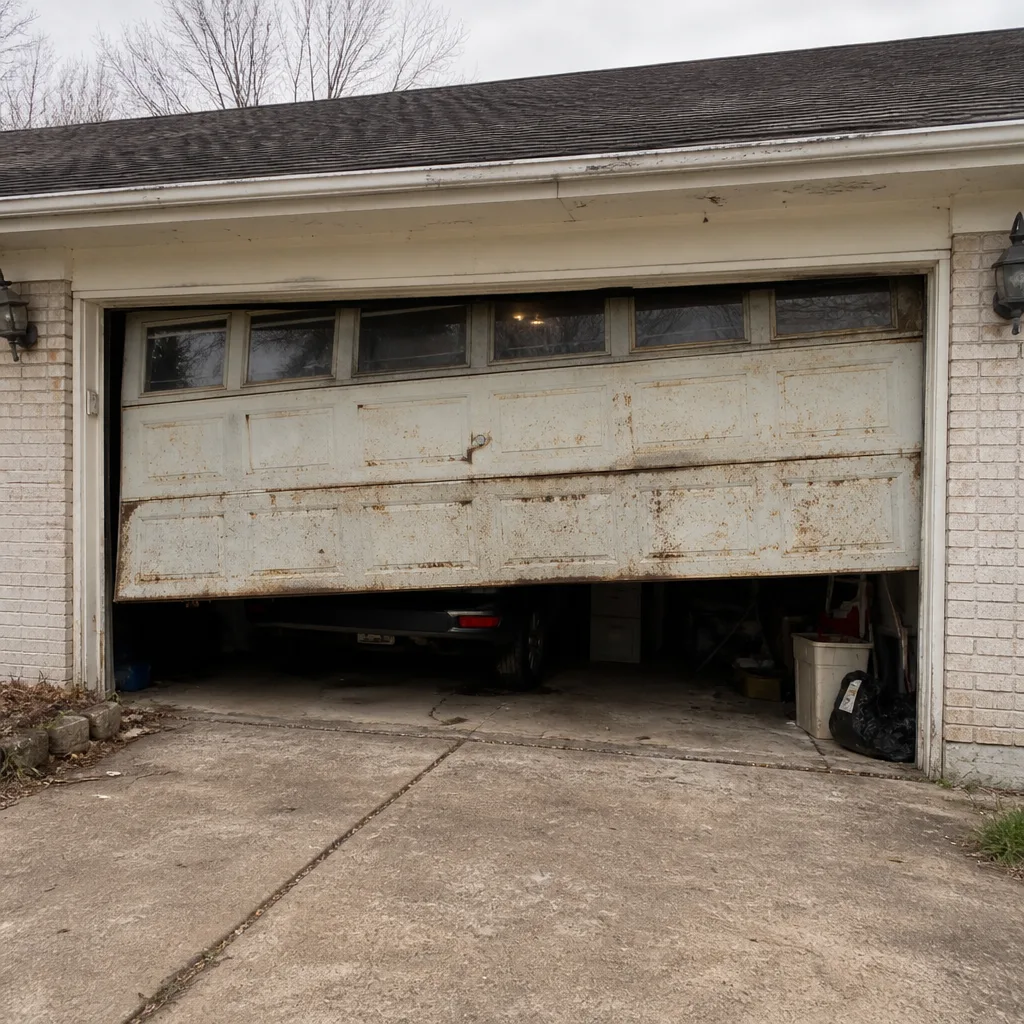 Before
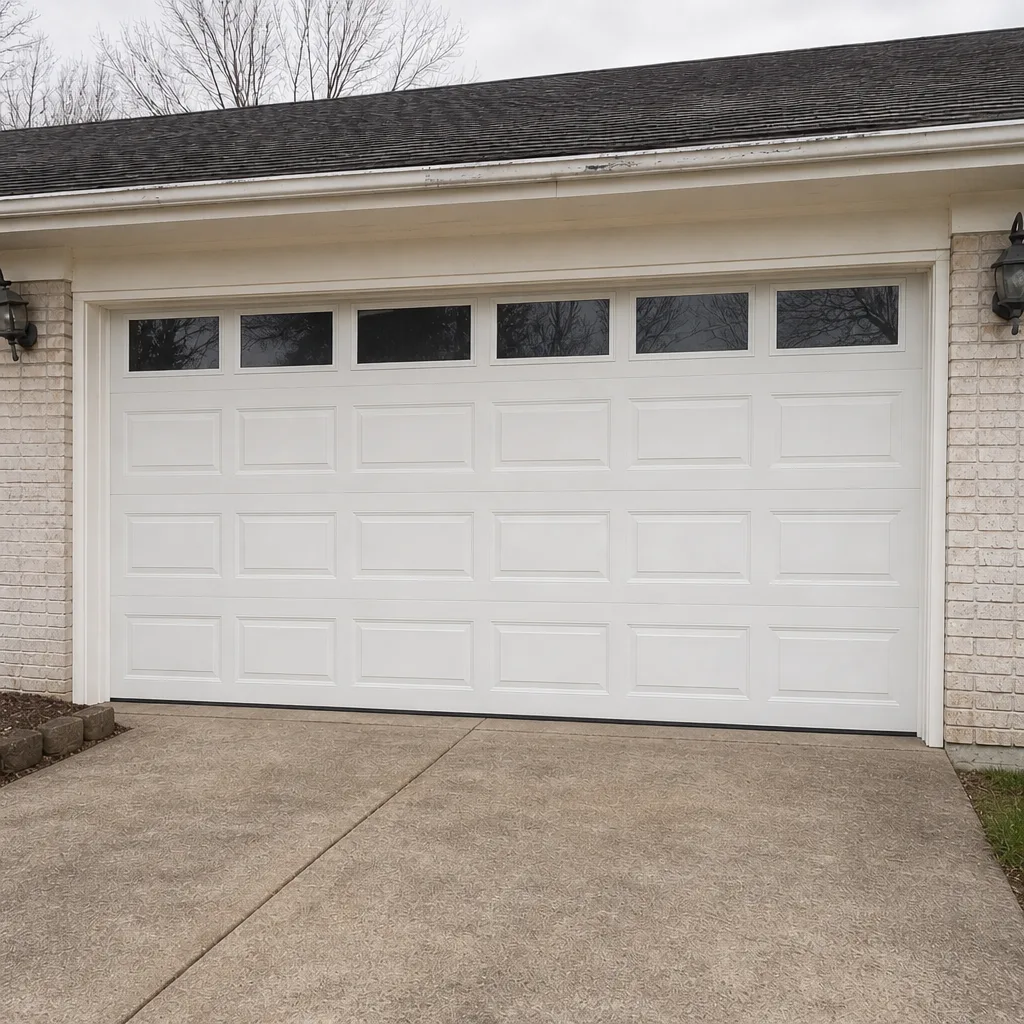 After
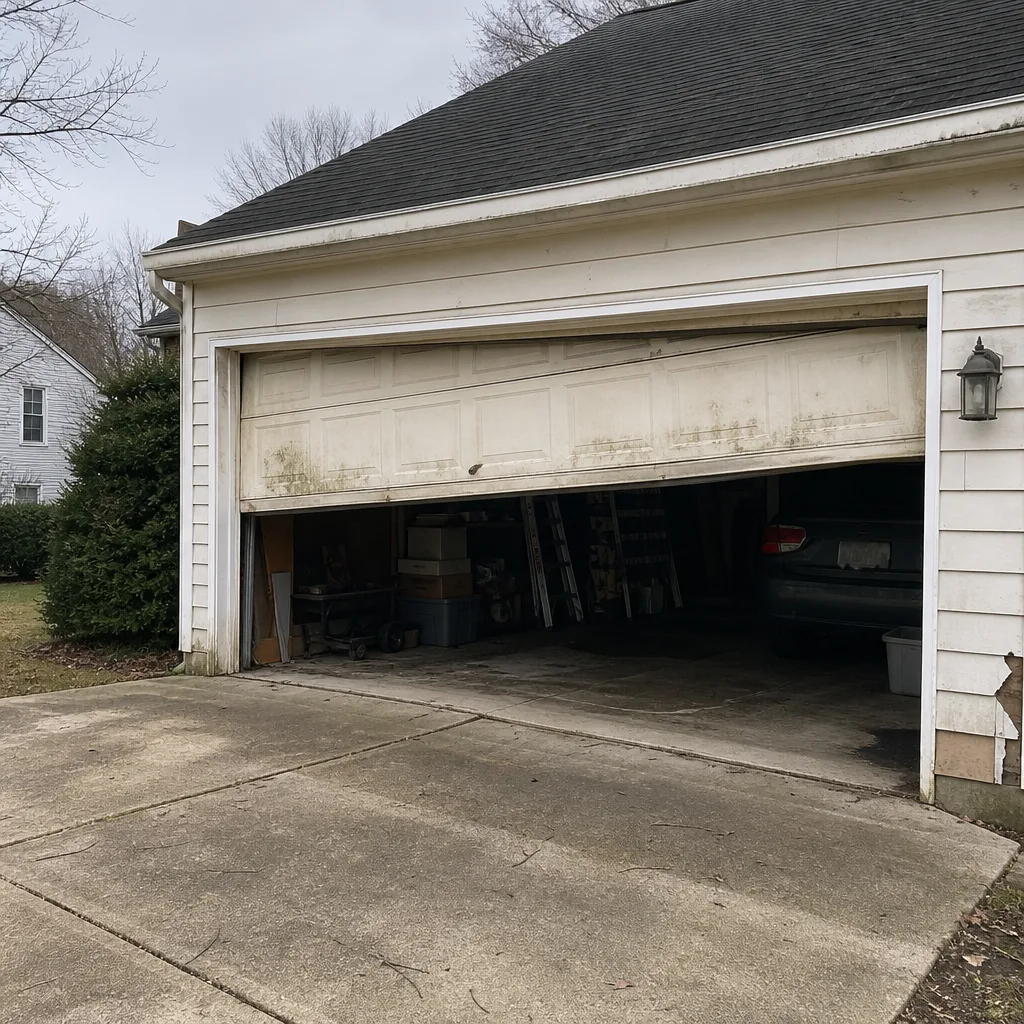 Before
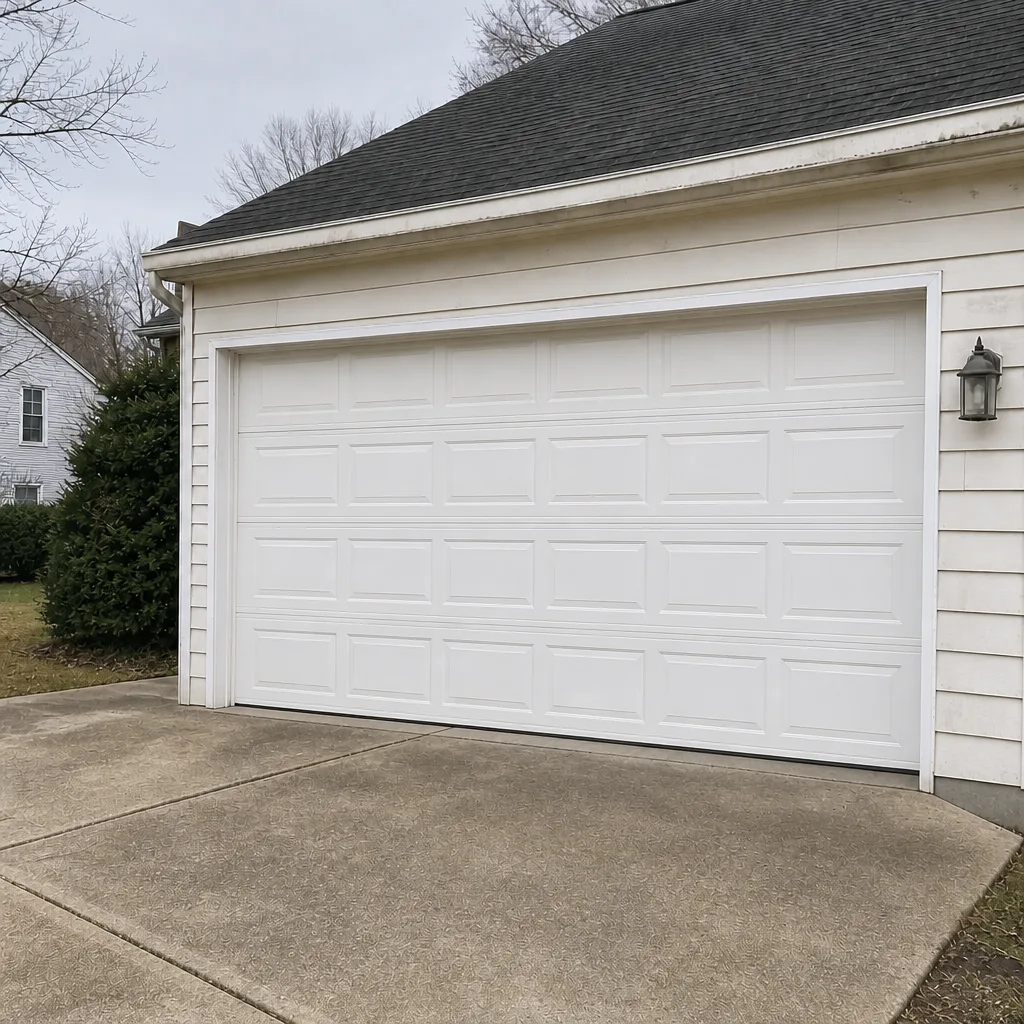 After
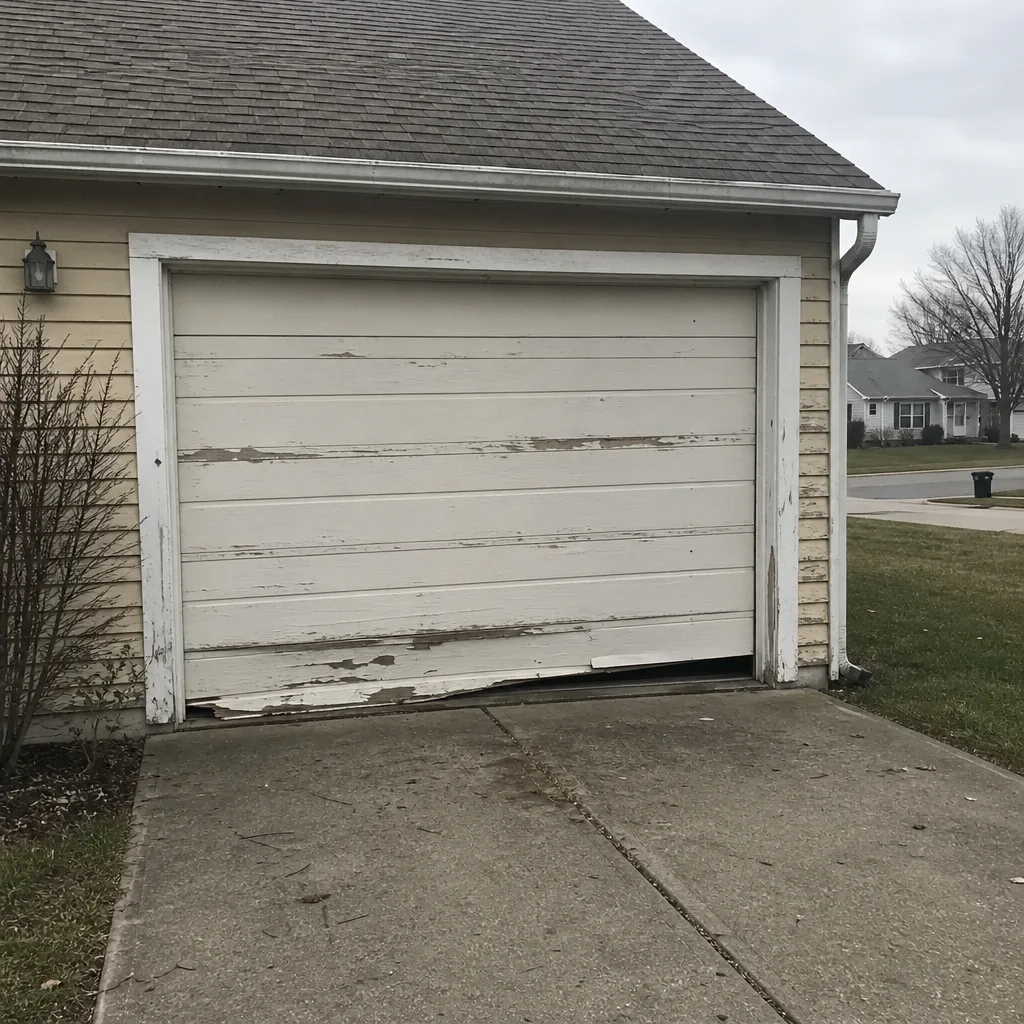 Before
 After