
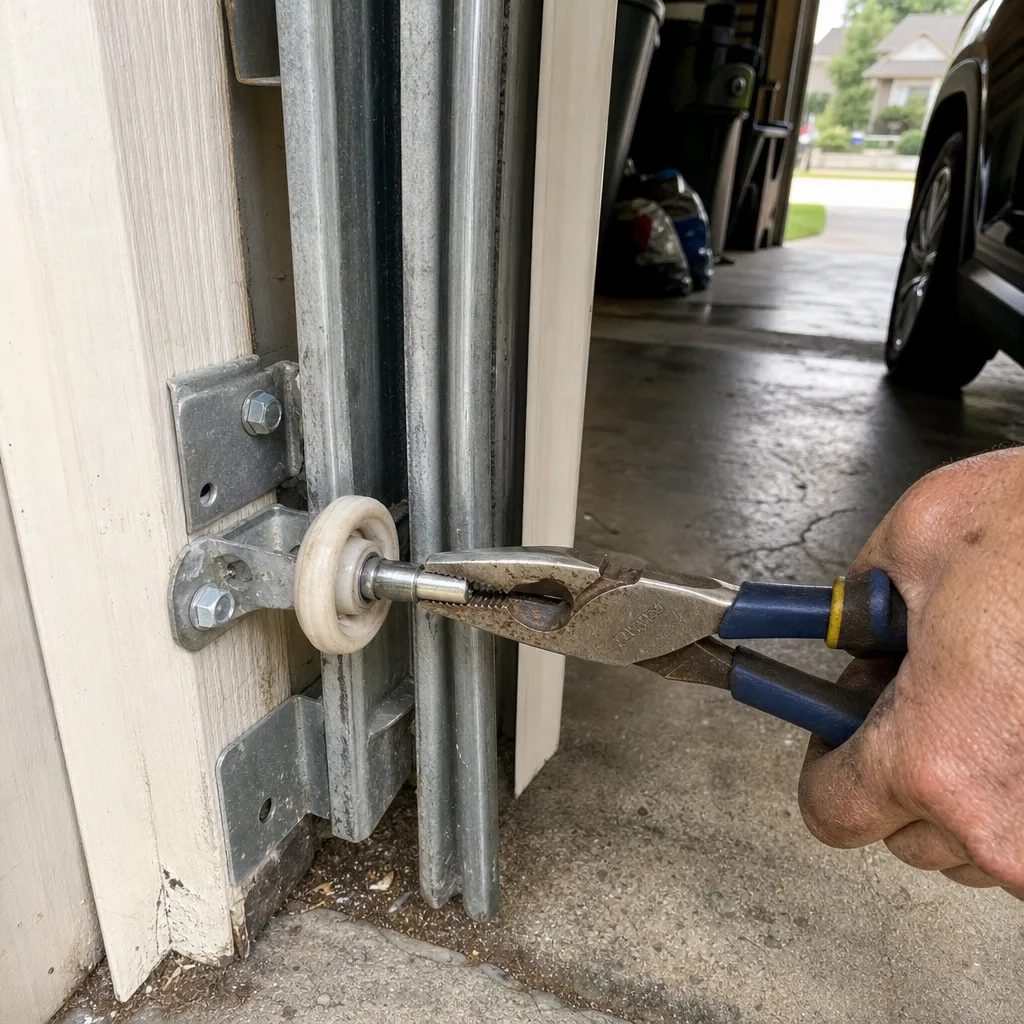
Last updated November 15, 2026
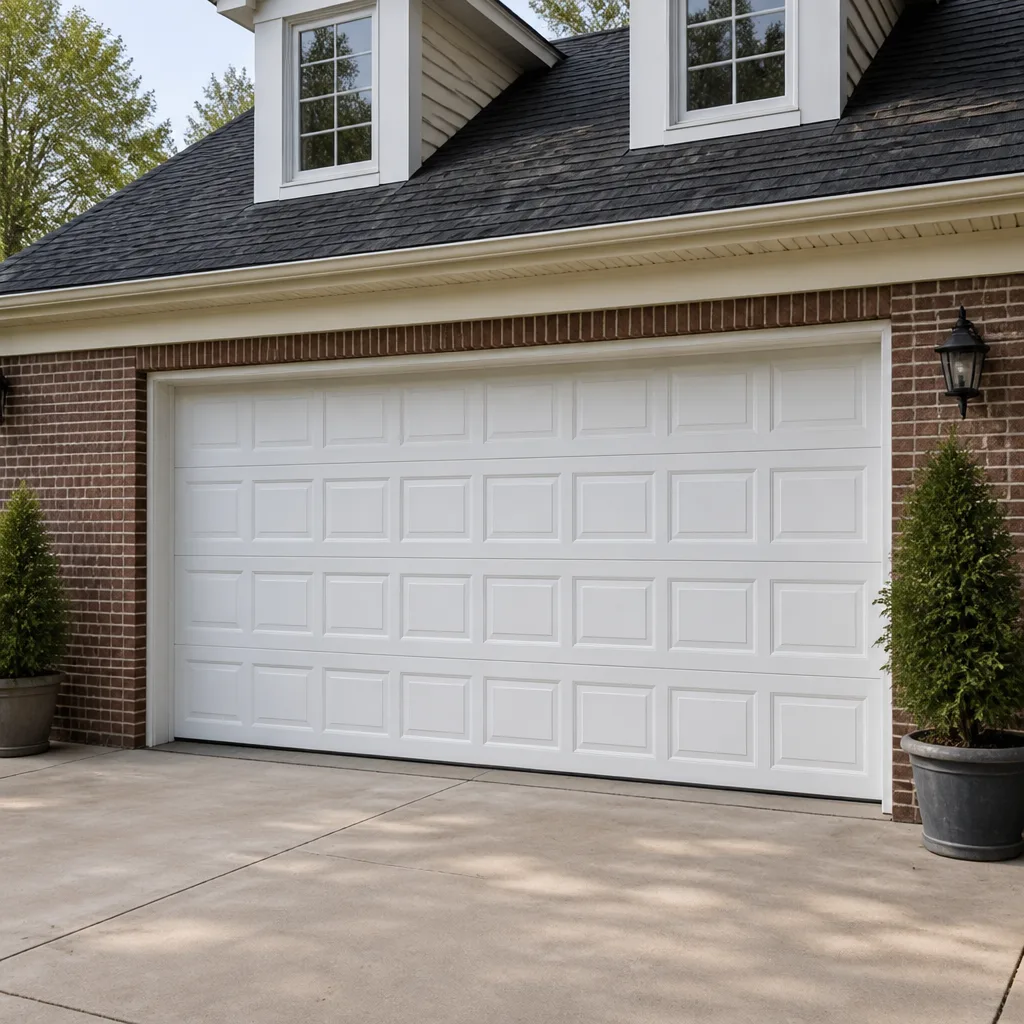 Raised-panel steel
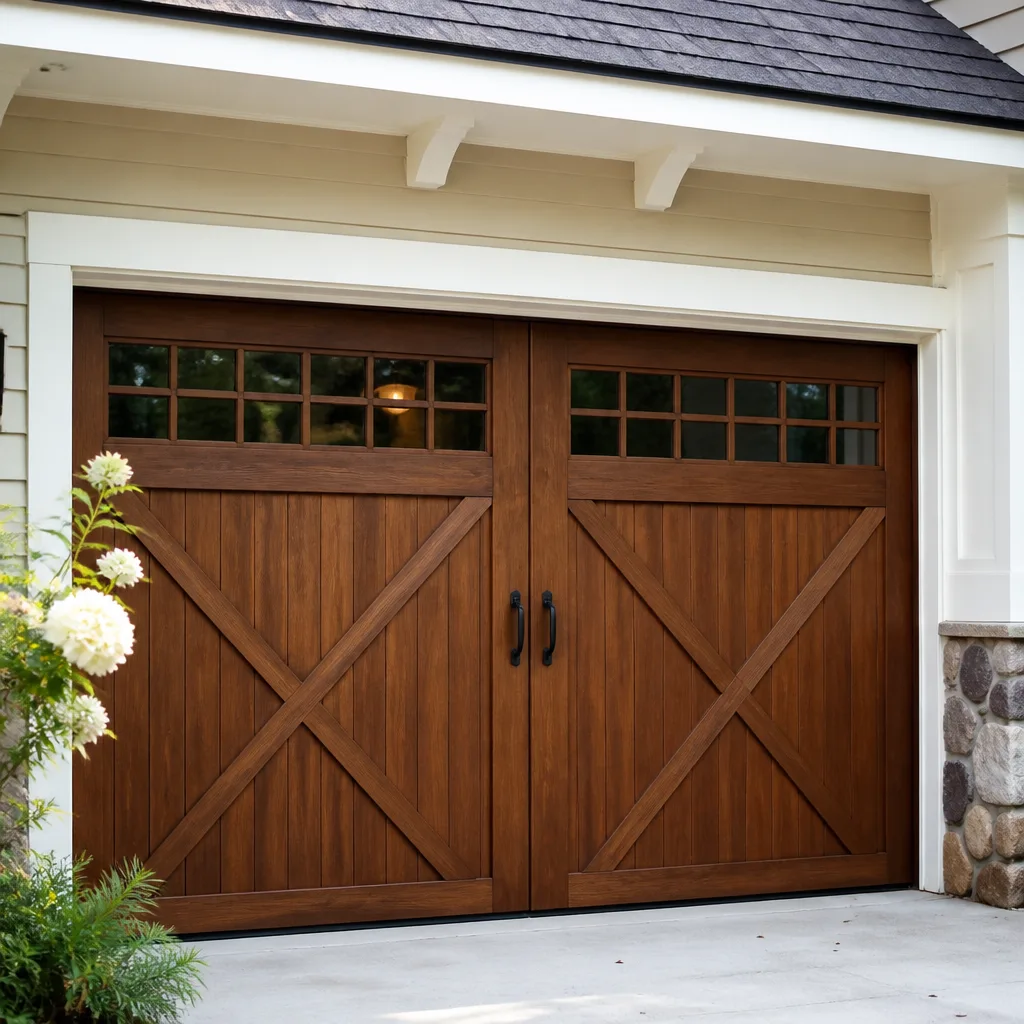 Carriage house
 Modern flush
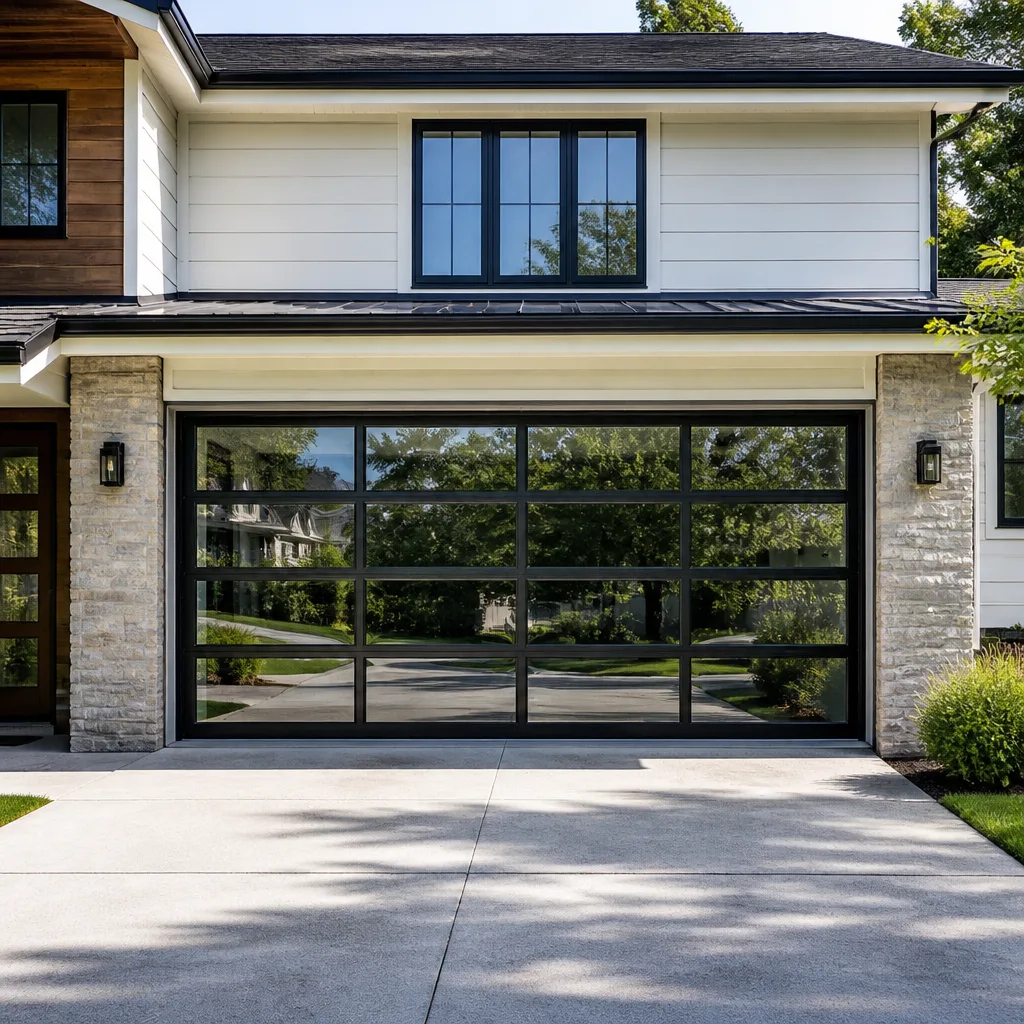 Full-view glass
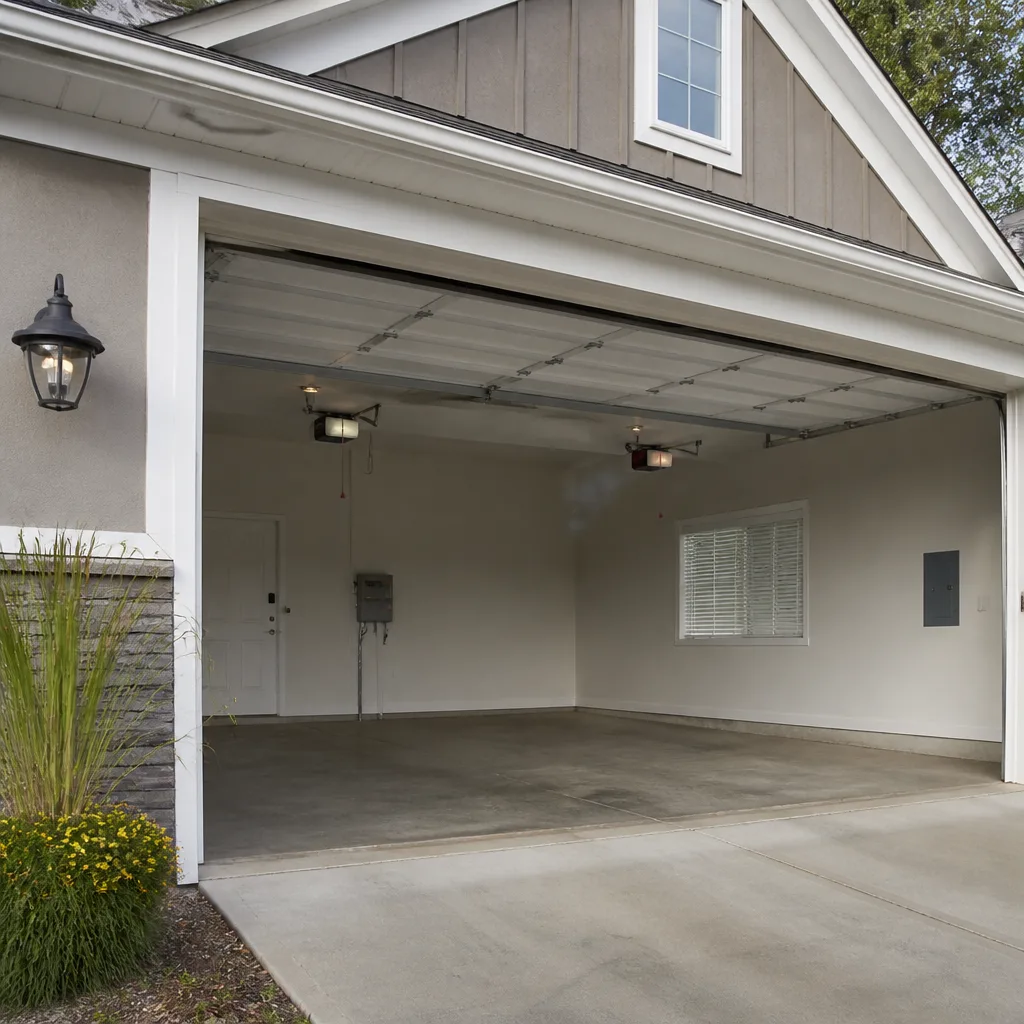 LiftMaster openers
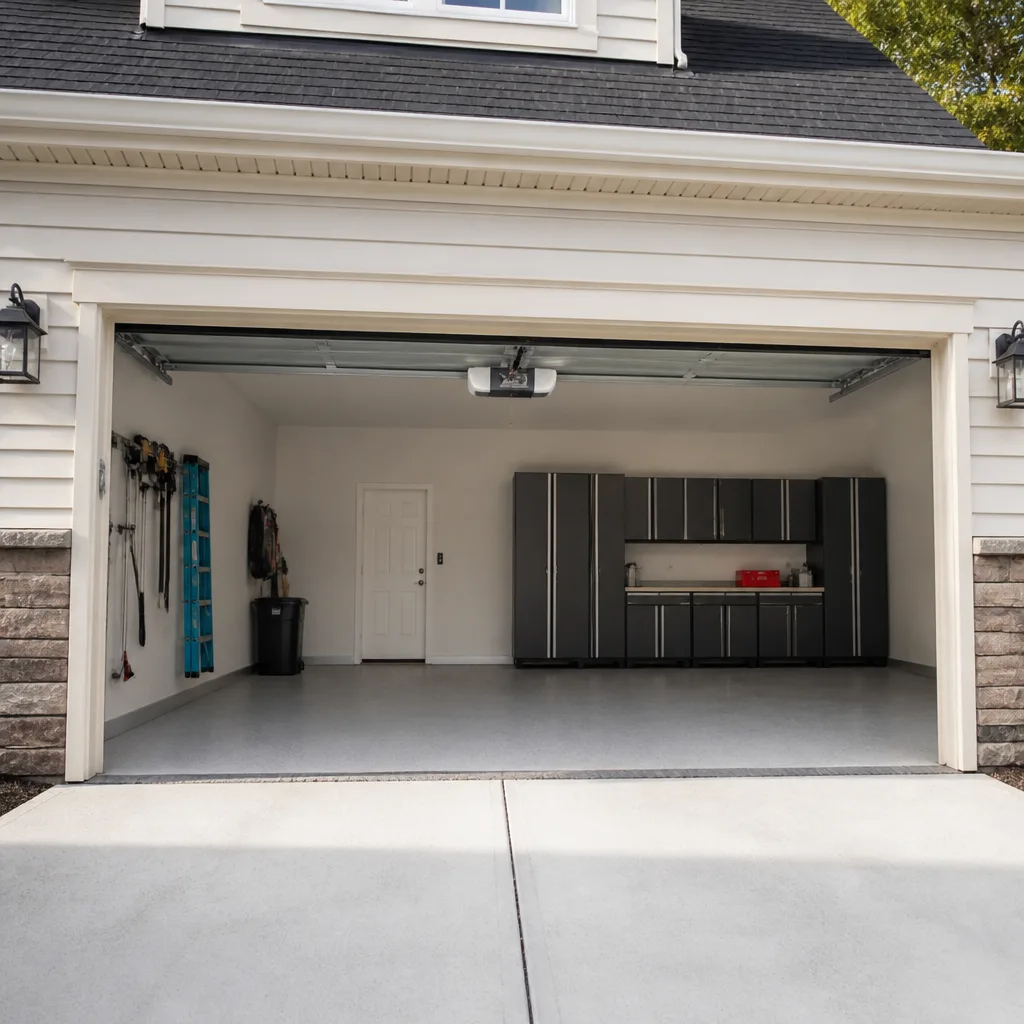 Chamberlain openers
Full 25-point door and opener safety check with every visit - springs, cables, rollers, tracks, and your LiftMaster or Chamberlain opener included
You get a price before we start. It does not change when the pro arrives.
Get your free estimateHow to Hire a Garage Door Contractor in Carmel: A Step-by-Step Guide
Search “garage door repair Carmel IN” and about half the results come back from general handyman services. Garage doors are a line item on their menu, somewhere below drywall patching and faucet replacement. Here’s the part most homeowners don’t realize: Indiana doesn’t issue a separate garage door contractor license, so nothing in a license lookup tells you whether you’re hiring a dedicated specialist or a jack-of-all-trades who watched a few videos. That’s not meant to scare you. It’s context for why the vetting questions in this guide carry more weight here than they would in a state with a dedicated trade license. We’ll walk through what to ask, how to read an estimate, how to check insurance for real, and how to spot the upsell patterns that cost Carmel homeowners the most.
Quick Answer
To hire a garage door contractor in Carmel, verify insurance before you discuss price, ask brand-specific questions that reveal real familiarity with your existing door and opener, and insist on a written estimate that names the part, the cycle rating on springs, and the parts-and-labor warranty terms separately. Choose the dedicated garage door specialist over the generalist every time, because the work is a single trade and the diagnosis is where jobs actually go wrong. A free estimate costs you nothing and tells you a lot about how a company handles homeowners.
Styles & brands we work with
- Raised-panel steel
- Carriage house
- Modern flush
- Full-view glass
- LiftMaster openers
- Chamberlain openers
Table of Contents
- What the Carmel Garage Door Market Actually Looks Like
- What Questions Reveal a Brand-Fluent Contractor?
- How Do You Verify Insurance for a Carmel Homeowner?
- What Belongs in a Legitimate Written Estimate?
- What Are the Red Flags Specific to Garage Door Contractors?
- How Do Parts and Labor Warranties Differ?
- Springs, Cables and Openers: Why the Details Matter
- The Step-by-Step Hiring Process
- What Stays True After the Job
What the Carmel Garage Door Market Actually Looks Like
Carmel grew fast, and the housing stock shows it. Neighborhoods like Old Town and the Arts & Design District sit alongside newer development out toward West Clay and the corridors near 116th Street, and the garage doors vary as widely as the homes do. A builder-grade door in one house might share a wall with a Raynor insulated door next door. That variety is exactly why brand familiarity matters. When we work on a door, the technician already knows whether it’s a Wayne Dalton Torquemaster setup or a LiftMaster opener with a myQ interface, and that saves diagnostic time.
The mistake homeowners make is assuming a general handyman can serve a door system the same way a specialist does. In our experience, the gap shows up two ways: parts that don’t fit because the brand wasn’t identified correctly, and springs replaced with the wrong cycle rating because nobody asked. A spring labeled for a light residential door doesn’t behave the same as one rated for a heavier insulated door, and putting the wrong one on shortens its life and stresses the opener. For more on the trade itself, see our page on Carmel Garage Door Service.
Indiana has no licensing distinction that separates specialists from generalists. So the consumer’s job here is to sort them out by asking better questions. That’s the whole exercise.
What Questions Reveal a Brand-Fluent Contractor?
The single best question you can ask is: “What brands do you work on?” If a contractor gives you one name, that’s a signal. They may only push a preferred line, or they may only be set up to source parts for one manufacturer. Either way, you’re likely to get steered toward a replacement even when a repair is the right fix. We work with whatever brand is already on your house. On the opener side, that includes LiftMaster, Chamberlain, Genie, Craftsman and others. On the door side, Clopay, Amarr, Wayne Dalton and Raynor are all familiar ground.
A second question: “What’s the cycle rating on the spring you’re proposing?” A contractor who can’t give you a number for the replacement spring either doesn’t know or doesn’t want you to compare. Cycle rating tells you how many open-close cycles the spring is engineered to survive. Higher ratings cost more and last longer, and the honest answer is a range with the trade-off explained.
Other questions to work through before you book:
- Do you carry parts for my opener brand, or do you source them?
- Can you service the door and the opener on the same visit?
- Are your springs matched-pair replacements, or are you replacing one at a time?
- How do you handle a failure on a brand you don’t see often?
- What do you do when the door turns out to need more than the estimate described?
Good contractors hate the vibe of a brand-pusher. In our experience, the ones worth hiring light up when you ask about parts source and cycle rating. They know exactly what you’re doing.
How Do You Verify Insurance for a Carmel Homeowner?
Ask for a certificate of insurance, and mean it. A legitimate contractor can produce one quickly. The document should name general liability coverage and workers’ compensation if the company has employees. General liability protects your property if something goes wrong during the work. Workers’ comp protects you if a worker is injured on your property, because without it, the injury claim can come back to your homeowner policy. If neither document is on file, that’s your signal to keep looking.
Don’t take a verbal “we’re bonded and insured” as enough. A handyman claiming to be insured may have a small liability policy but no workers’ comp, or may have coverage that lapses when they stop paying. Verify by asking for the certificate to be sent from the insurer or agent, not by forwarding an old PDF. If the contractor hedges or changes the subject, that’s a red flag worth respecting.
Also worth confirming: whether the contractor working in your home is a W-2 employee or a subcontractor. Some companies send a subcontractor who may carry their own insurance; others send a direct employee. Either can be fine, but you want to know. If the person in your house is a sub with no insurance of their own and no workers’ comp standing behind them, your liability exposure changes. That’s not a small detail for a job involving high-tension springs.
Once insurance is settled, ask about the estimate and the paperwork. If you haven’t yet, our guide on garage door repair covers what a typical repair involves from a customer’s point of view.
What Belongs in a Legitimate Written Estimate?
A written estimate for garage door work should name the part, the price, and the labor to install it. If a company hands you a one-line number or a verbal “somewhere between $X and $Y,” that’s a quote designed to be flexible in their favor. The written estimate is the price, on our jobs and any contractor worth hiring. When the technician arrives and the door turns out to need more than the estimate described, you get a call with the new number before a wrench moves. That’s the standard, and you should hold contractors to it.
Look for these elements in a real estimate:
- The specific part or opener model being quoted, with brand and model number.
- Separate line items for parts and labor, so you know what you’re paying for each.
- For spring replacement, the cycle rating of the proposed spring.
- Whether springs will be replaced as a matched pair or individually, and the reasoning.
- A written warranty term, split between parts and labor.
- Whether the price includes hauling the old parts away and cleanup.
- The total, with no “starting at” language.
A low-ball estimate is often the setup. The contractor quotes a number that gets them through the door, then finds “additional issues” once the old part is out. Some of those issues may be real; some may be upsells. The way to defend against it is to insist on the written estimate and a written procedure for changes. If the price goes up after work begins, you should be told before, not after. For the opener side specifically, our page on garage door opener repair covers the diagnostic patterns worth knowing.
What Are the Red Flags Specific to Garage Door Contractors?
Vague spring language is the biggest one. If a contractor says “we’ll replace the springs” without telling you cycle rating, wire gauge, or whether it’s a matched pair, put the phone down. The right question is specific and the honest answer is specific. A spring without a stated cycle rating is not a spring you want in your door.
Pressure to decide the same day is another. Any contractor who tells you the door must be replaced when it can be repaired, or who says “today only” on a quote, is giving you a reason to call someone else. A legitimate estimate is good for at least a few days, and the tech should be happy to let you compare. The right fix, not the easiest upsell, is the standard.
Other red flags to watch for in Carmel:
- No cycle rating on the spring quote, or no spring quote at all.
- Bundling “must-do” roundups that mix genuine safety items with cosmetic upsells.
- Telling you the whole system needs replacing when the opener or a section panel is the actual problem.
- Refusing to put the parts-and-labor warranty in writing.
- A quote that doesn’t include the brand of the proposed opener or spring.
- No certificate of insurance to show when you ask.
- Any pitch on day-of that wasn’t in the written estimate, with a deadline attached.
Springs, cables and the torsion assembly carry real stored energy. A failure under load can injure anyone nearby, and that’s why we don’t recommend DIY spring work even on a “simple” replacement. The dangerous parts should be handled by a trained technician with the right tools. If you see a broken spring, keep the door closed and call a professional. That’s a safety decision, not an upsell.
How Do Parts and Labor Warranties Differ?
Parts warranty and labor warranty are two different promises, and they don’t expire on the same schedule. A spring might carry a manufacturer’s parts warranty for a number of years, while the labor warranty on the installation is often shorter. An opener might carry a longer parts warranty from the manufacturer while the labor coverage from the installer is separate again. If you don’t know which is which before work begins, you’ll find out the hard way when something fails.
Get these in writing before anyone starts:
- The length and terms of the manufacturer’s parts warranty on each part installed.
- The length and terms of the labor warranty from the installing company.
- Whether the labor warranty covers a callback visit at no charge, and what triggers it.
- Whether the warranty is transferable if you sell the home.
- What voids the warranty (unusual use, third-party tampering, etc.).
One thing to note: a warranty that says “parts only” on a spring is a warranty that can leave you paying for the labor to reinstall a part that failed early. That’s not dishonest on its face, but it’s the kind of fine print that matters. Ask about it directly, on the phone, before the estimate is given. A company that has clear answers to warranty questions is a company that will be easy to work with if something goes wrong.
Springs, Cables and Openers: Why the Details Matter
The torsion spring is the component that does most of the lifting in a typical overhead door, and it’s the one most often glossed over in a quote. In our experience, that’s where the consumer gets the least information and the most upsell pressure. A spring rated at a lower cycle count wears out sooner, and a spring rated at a higher count lasts longer and costs more. The correct question for the contractor is “what cycle rating are you installing, and why?” A responsible answer includes the door weight, the usage expectation and the trade-off.
Matched spring pairs matter for a reason. When one spring fails, the other has usually logged the same number of cycles, and replacing a single spring is often a short-term fix on a system that will need both soon. The right quote names whether a pair or a single spring is being replaced, and why.
Openers have their own diagnostic logic. A LiftMaster logic board failure looks different from a Genie screw-drive issue, and a Craftsman unit that hums without moving is a different problem from a Chamberlain that runs but doesn’t lift. A contractor who can walk you through the specific symptom-to-cause map for your brand is a contractor who will diagnose quickly. For the opener side, brand familiarity saves time and often saves the whole opener. If the system is old, the decision may be repair or replace; that’s a conversation, not a same-day demand.
Cables are the other high-tension component. A frayed cable should be replaced, not adjusted, and the work is not something you want handled without training and the right tools. On a garage door, safety comes down to knowing which parts are not user-serviceable. Cables and springs are in that group.
The Step-by-Step Hiring Process
Here’s the sequence we recommend for any garage door job in Carmel. It takes about the same time as a single phone call if you move through it in order, and it flushes out the contractors who shouldn’t get your business.
- Identify the brand and model. Look at the labels on the door panels and the opener housing. If you’re in an area like Old Town or the newer sections near 116th Street, the builder-grade model may be different from what a previous owner installed. Write down the brand, model and serial numbers. The technician arriving with that info saves diagnostic time, and you save money on the visit.
- Define the symptom clearly. “The door won’t open” isn’t enough. Does the opener run and the door stay put? Does the door open partway and reverse? Is there a grinding or snapping sound? Is the door uneven at the bottom? Each symptom maps to a different diagnostic path.
- Call two or three contractors and ask the brand question. “Do you work on [my brand]?” is a yes/no that tells you a lot. A brand-fluent contractor answers with specifics. A brand-pusher answers with a pitch.
- Ask for the insurance certificate. Before you book. Not after. If the contractor can’t or won’t send it, cross them off.
- Get the written estimate. Name the part, the labor, the cycle rating on springs, and the warranty terms. Decline anything verbal or “roughly.”
- Confirm the change-order process. What happens if the tech finds something the estimate didn’t account for? Get the policy in writing. You should be called before the price changes.
- Book the work. Once the estimate is in hand and you’ve compared it to at least one other, book the one that gives you the clearest answers to the questions above. The cheapest quote is almost never the right answer on a spring system, and a firm, honest quote is often a few dollars more than the low-ball.
- Get the warranty letter emailed. After the work, before you pay for it or immediately after. Confirm parts warranty term and labor warranty term in writing.
A good contractor will move through this without friction. The right questions don’t offend the right people. For a broader sense of our service in the area, see Carmel.
What Stays True After the Job
A few things to think about after the door is fixed. First, the warranty paperwork matters more than the invoice. Keep both, filed together. If a spring fails inside the parts warranty, you’ll want the original to prove what was installed and when. Second, note the brand and model of any new part installed. That’s the reference point for the next technician, whether that’s us or someone else.
Third, test the safety reverse function periodically. A properly set opener will reverse the door when the photo-eye beam is interrupted. If you have kids or pets, that’s a five-second check with a real payoff. Fourth, if the door is more than a decade old and you’ve had two repairs in the same season, it’s a reasonable moment to have a conversation about replacement rather than repair. That conversation should include numbers for both paths, not a hard sell on one.
Carmel’s climate cycles from humid summers to cold winters, and a garage door system sees repeated expansion and contraction through the year. That cycling is what wears out springs and cables, and it’s also what makes a correctly rated spring matter. Our technicians have up to 8 years of experience, and we work brand-agnostically: whatever door and opener are on your house today, we’ll take the call and give you the right fix.
Common Mistakes to Avoid
- Hiring on price alone. The cheapest quote is almost always the one designed to change on-site. What looks like savings on the estimate becomes a same-day upsell once the old spring is out.
- Accepting a spring quote without a cycle rating. If the contractor can’t tell you the number, you can’t compare the quote to anything, and you have no idea how long the part is designed to last.
- Skipping insurance verification. A contractor on your property without liability or workers’ comp coverage shifts risk to you. The certificate is a phone call or email away.
- Confusing parts warranty with labor warranty. “The spring is under warranty” doesn’t mean the installation is. Get both terms in writing before work begins.
- Replacing a single spring on a matched pair. A pair that has logged the same cycles should usually be replaced together, and a contractor who recommends a single spring should be able to explain why.
- Not writing down your door and opener brand. A brand-fluent contractor can diagnose from the model number, which often means fewer trips and a lower total cost. Know what’s on your house.
- Letting urgency drive the decision. Even a non-functioning door is usually safe once the car is parked outside for a day. A 24-hour pressure on the quote is a sales tactic, not a service risk.
See the difference
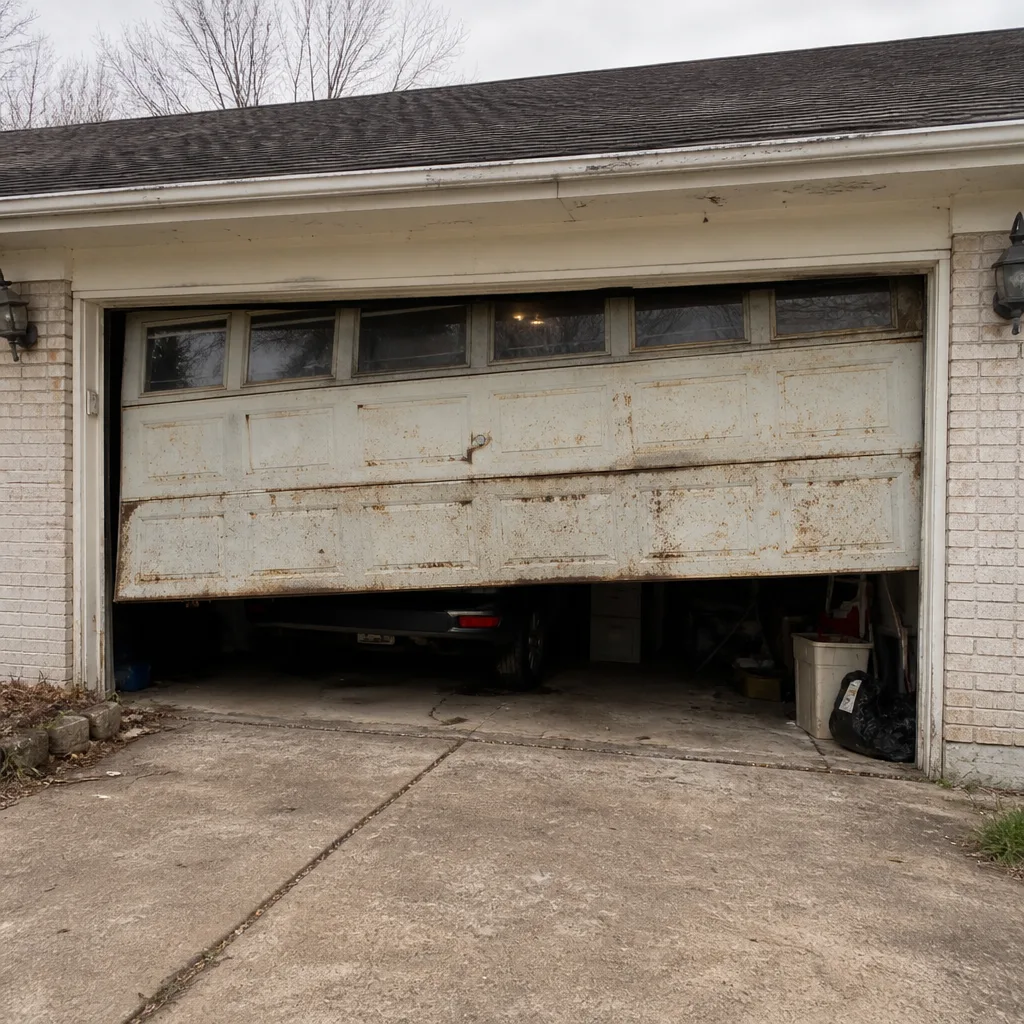 Before
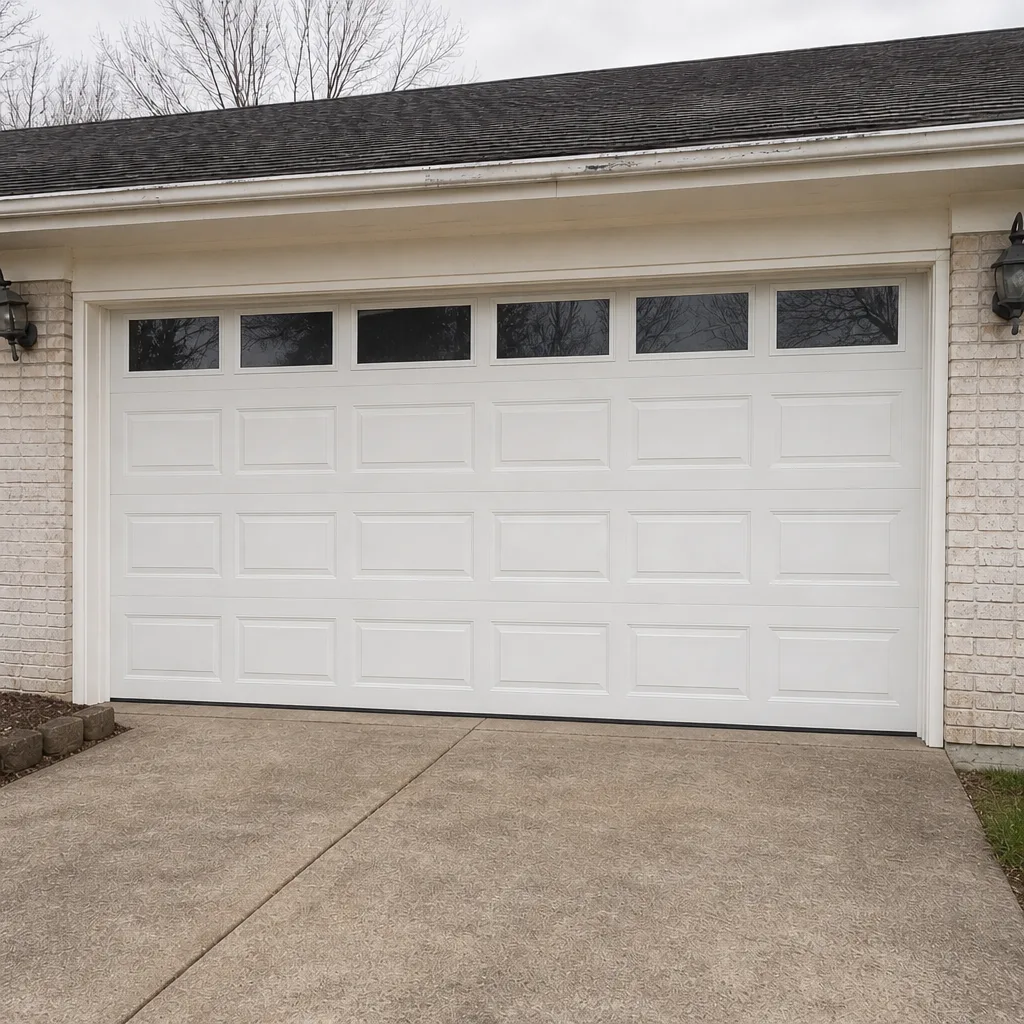 After
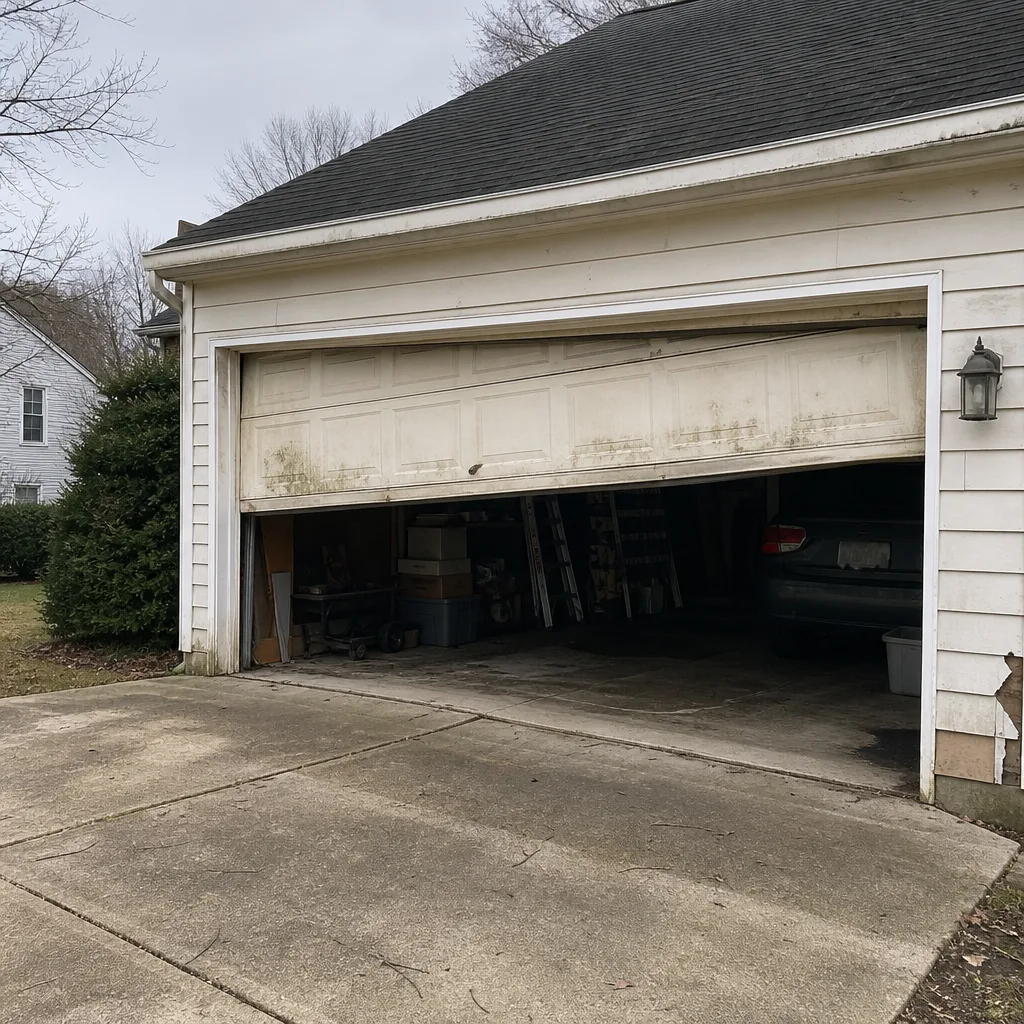 Before
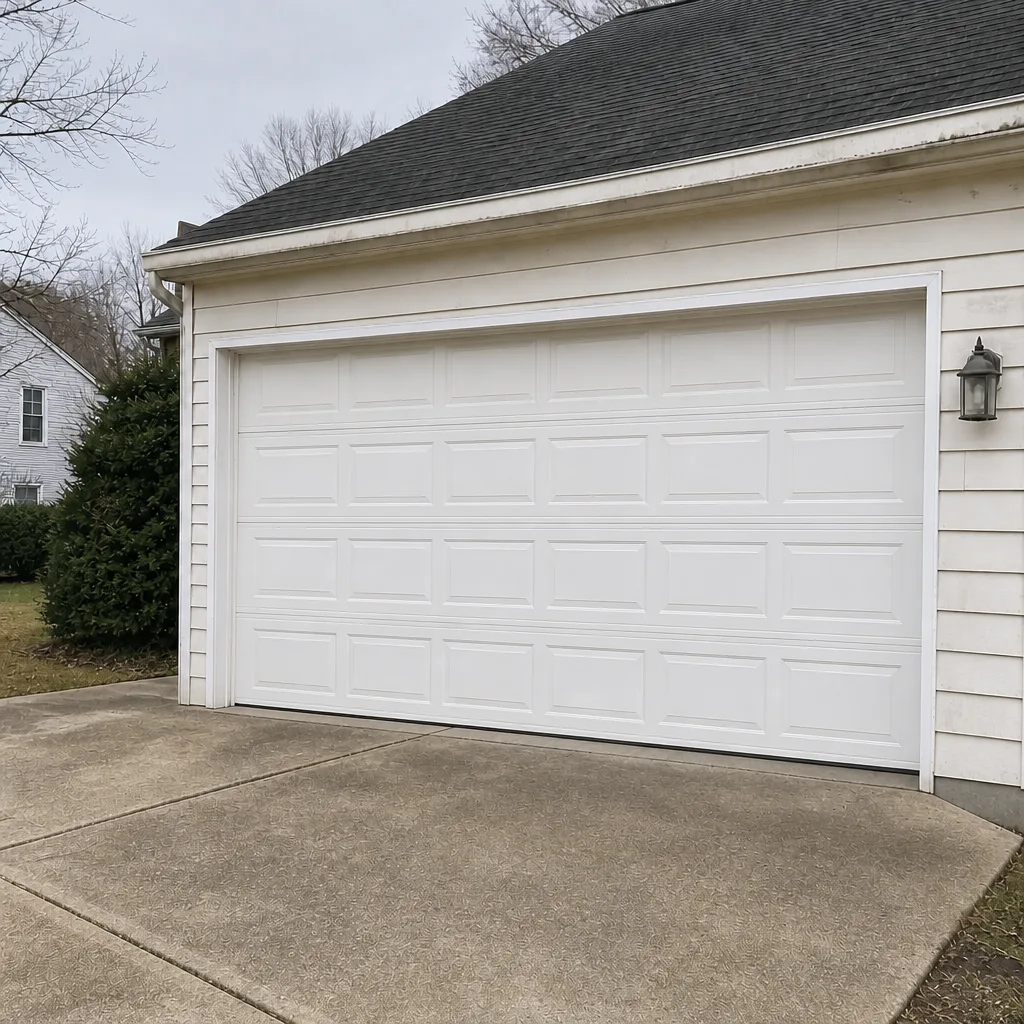 After
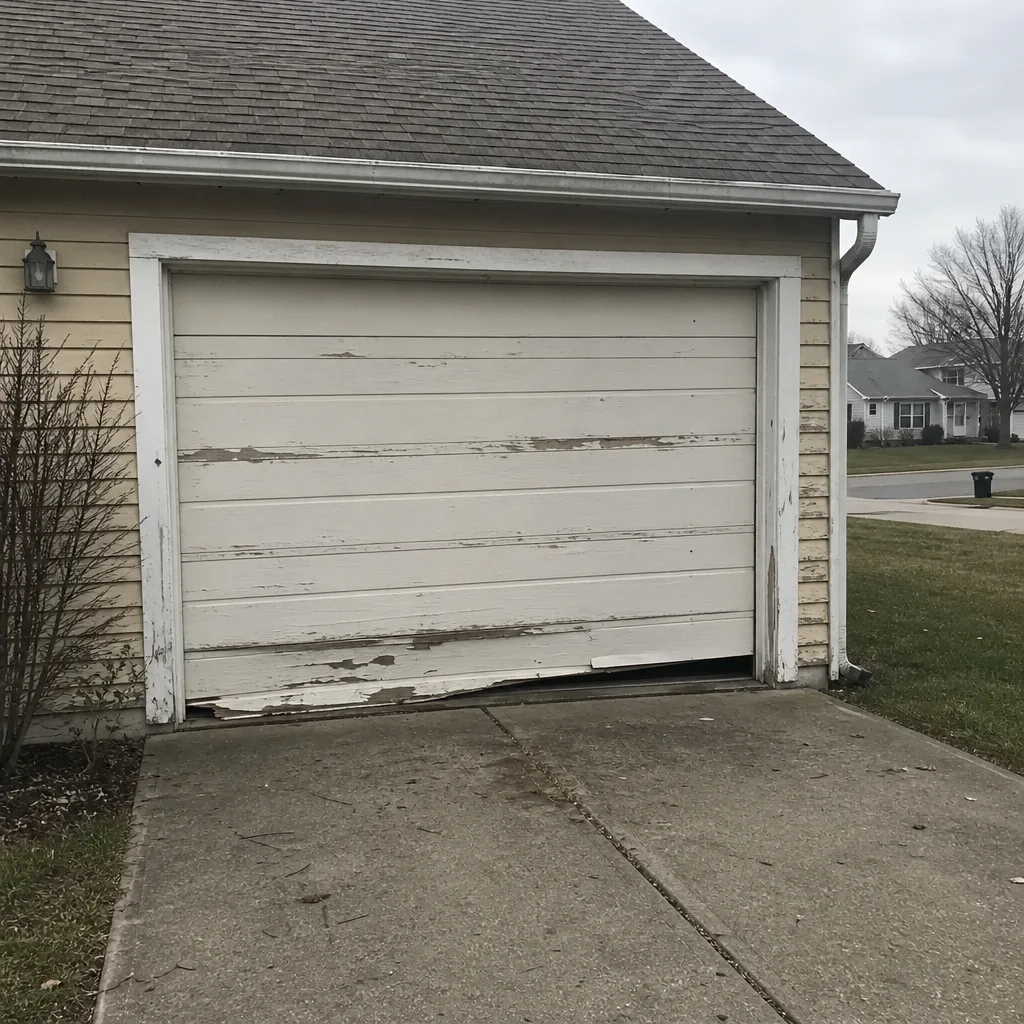 Before
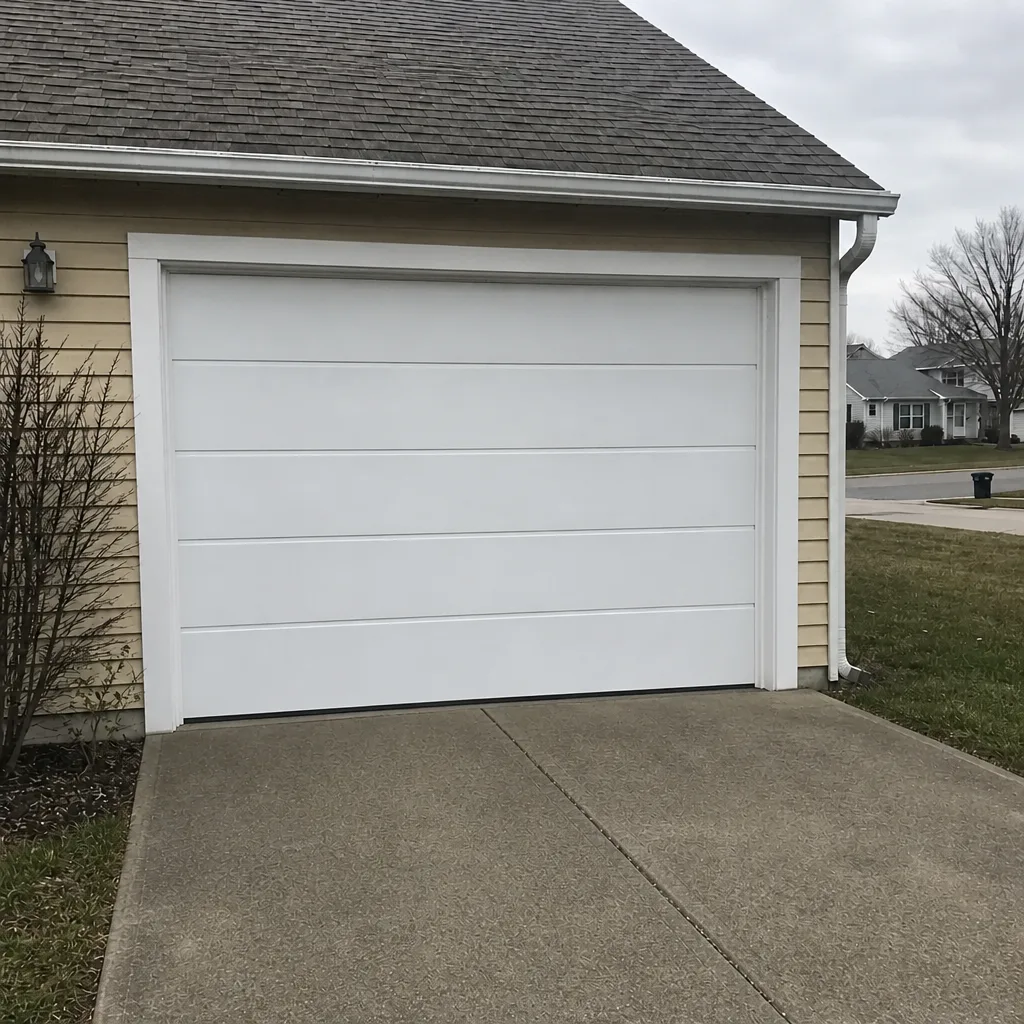 After
When to Call a Professional
Call a professional for any of these: a snapped torsion spring, a door that has dropped on one side, a frayed or off-track cable, an opener that runs but doesn’t lift the door, a door that reverses before it reaches the floor, a loud pop or bang from the overhead, or a door that won’t lock or stay shut. Cables and springs carry stored tension that can cause serious injury, and this is not a job for DIY. If you’re not sure whether you have a safety issue, treat it as one and call.
Carmel Garage Door Service offers free estimates in Carmel. Call (855) 535-1056. We answer 24/7. Fast dispatch from 7am to 7pm, Sunday through Friday.
Frequently Asked Questions
Indiana does not issue a dedicated garage door contractor license, so there’s no specific credential to verify. What you can verify is general liability and workers’ comp coverage, a clear written estimate, and a track record on your brand. The brand question is often the best proxy for real expertise: a contractor familiar with Wayne Dalton, Craftsman, Raynor or LiftMaster setups will answer specifically, not pitch a replacement.
Ask what brands they work on. A brand-agnostic contractor gives you a range and names specifics. A brand-fluent contractor can explain diagnostic differences for your specific brand and model. A brand-pusher gives you one name and steers toward a replacement. We work on whatever brand and system is on the home today, including LiftMaster, Chamberlain, Genie, Clopay, Amarr, Wayne Dalton, Craftsman and Raynor. Call (855) 535-1056 for an exact quote on your brand.
The parts warranty is the manufacturer’s coverage of the part itself. The labor warranty is the installing company’s coverage of the work to install it. They generally have different terms and durations. Ask for both in writing before work begins. A “parts only” warranty means a failed part may be covered while the labor to reinstall it is not. Call (855) 535-1056 and we’ll walk you through the warranty terms on the specific part we’re quoting.
Sometimes on the simplest issues, but not reliably. The diagnostic step is where the difference shows, because a handyman may not recognize a brand-specific opener fault or a spring cycle rating issue. On a torsion spring, a cable or an opener logic board, a specialist’s diagnosis saves money and prevents a second visit for the same problem. Garage doors are all we do, which is why our technicians see brand-specific patterns on a routine basis.
Watch for a quote without a cycle rating on springs, a one-line estimate with no parts and labor split, pressure to decide the same day, and a price that changes after work has started. Any of these is a signal to get a second estimate. The written estimate should be the price. If the tech needs to change it, you should be told before the work proceeds. Call (855) 535-1056 for a free written estimate you can compare against another.
Keep the door closed, don’t force the opener, park outside, and call. A door with a broken spring or a snapped cable is a safety issue, not a DIY opportunity. We answer 24/7. Fast dispatch from 7am to 7pm, Sunday through Friday. A call outside dispatch hours is booked into the next opening, Sunday through Friday, 7am to 7pm. Call (855) 535-1056 and we’ll give you an estimate before any work starts.
The Bottom Line
Hiring a garage door contractor in Carmel comes down to a few decisions made in the right order. Confirm insurance before you talk price. Ask the brand question and listen for specifics. Get the written estimate with the cycle rating on springs and the warranty terms spelled out. Then compare at least two quotes, and pick the one with the clearest answers rather than the lowest number. The garage door specialist beats the generalist on the diagnosis more often than not, and that’s where the money and the safety risk actually live.
If you need a free estimate in Carmel, call (855) 535-1056. We answer 24/7. Fast dispatch from 7am to 7pm, Sunday through Friday. We’ll tell you what’s wrong, what the fix costs, and what we’ll do if the job turns out to need more than the estimate. No pressure to decide same-day, no upsell dressed as a safety warning, and a written warranty in hand before we leave.
Written by the team at Carmel Garage Door Service.