
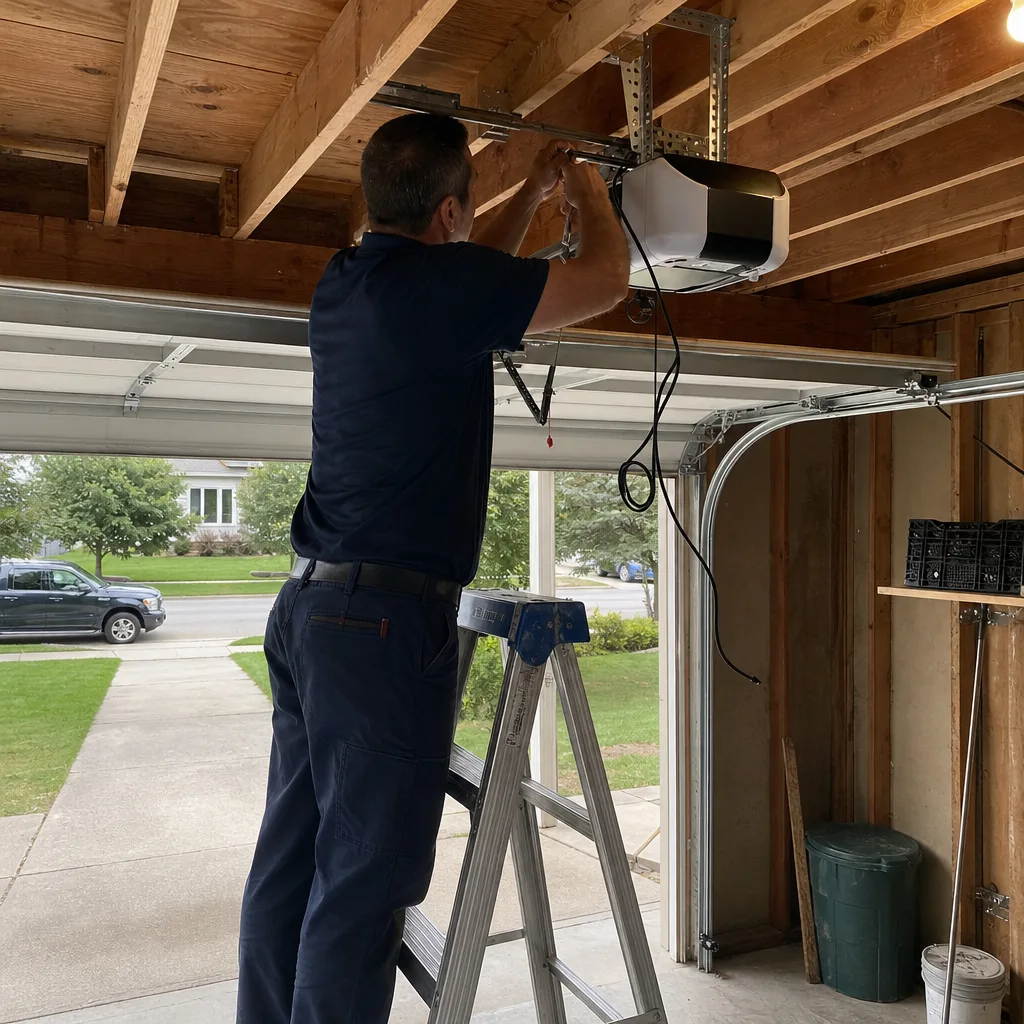
Last updated November 15, 2026
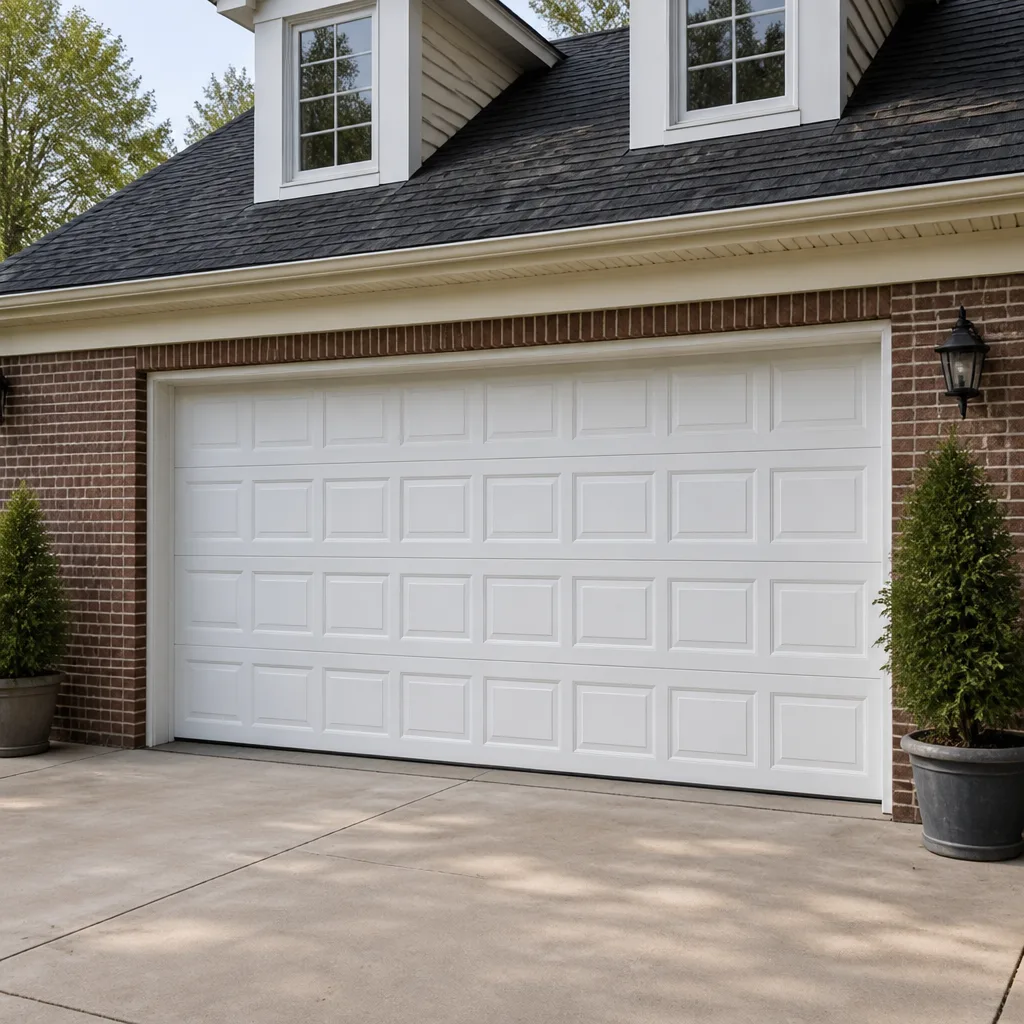 Raised-panel steel
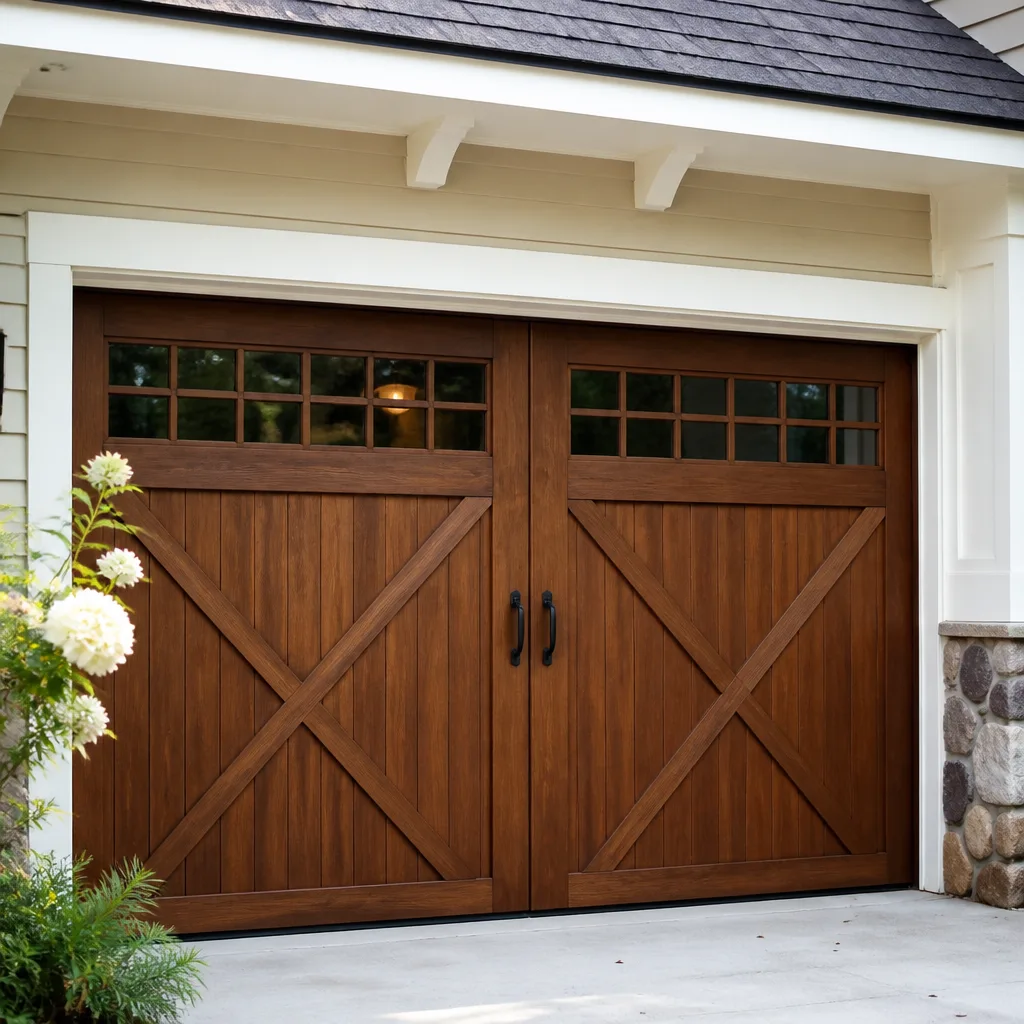 Carriage house
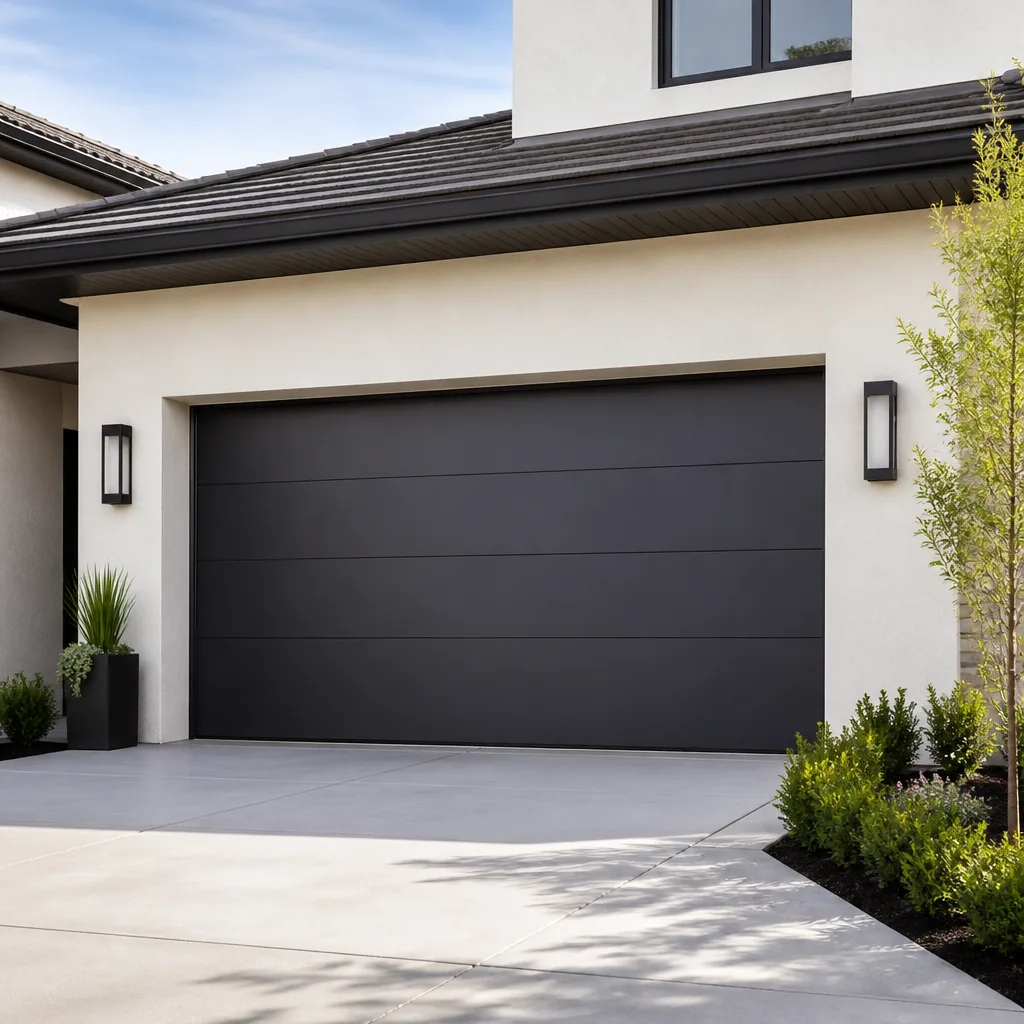 Modern flush
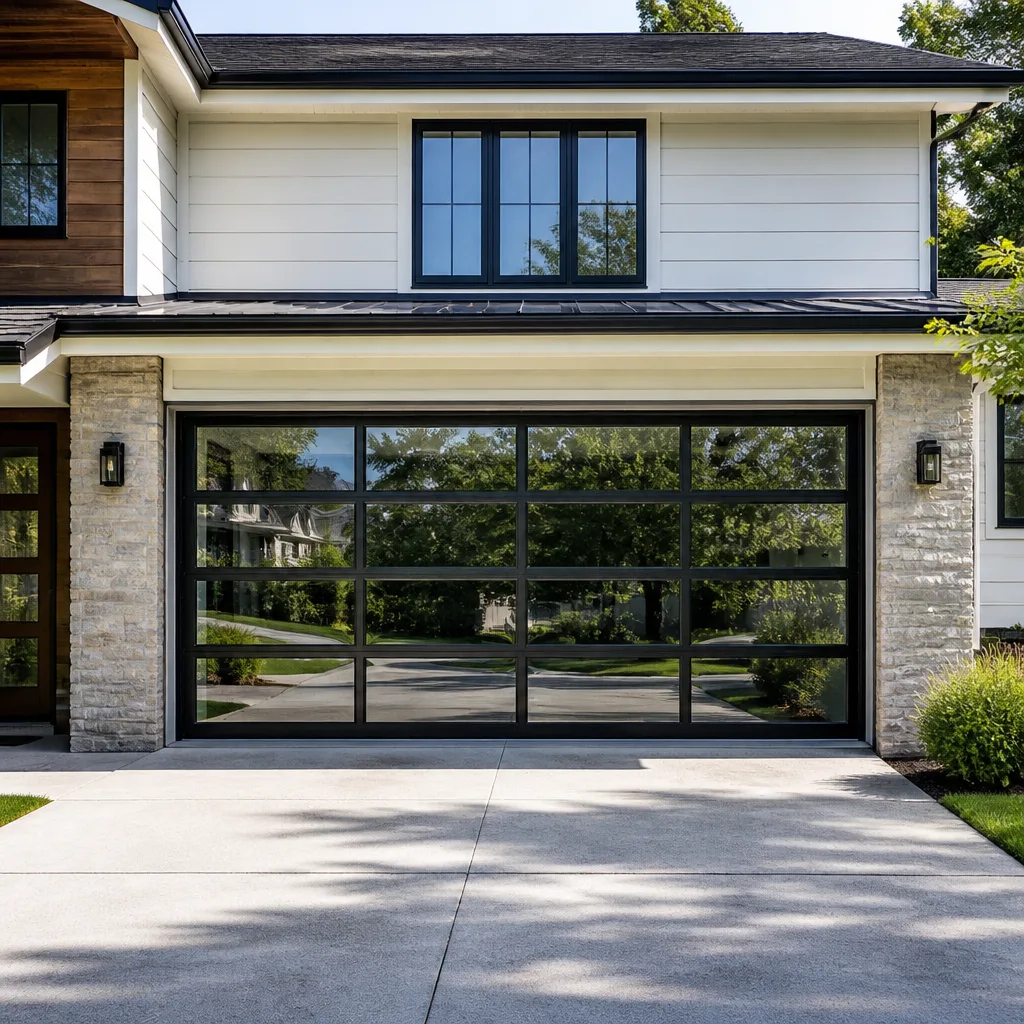 Full-view glass
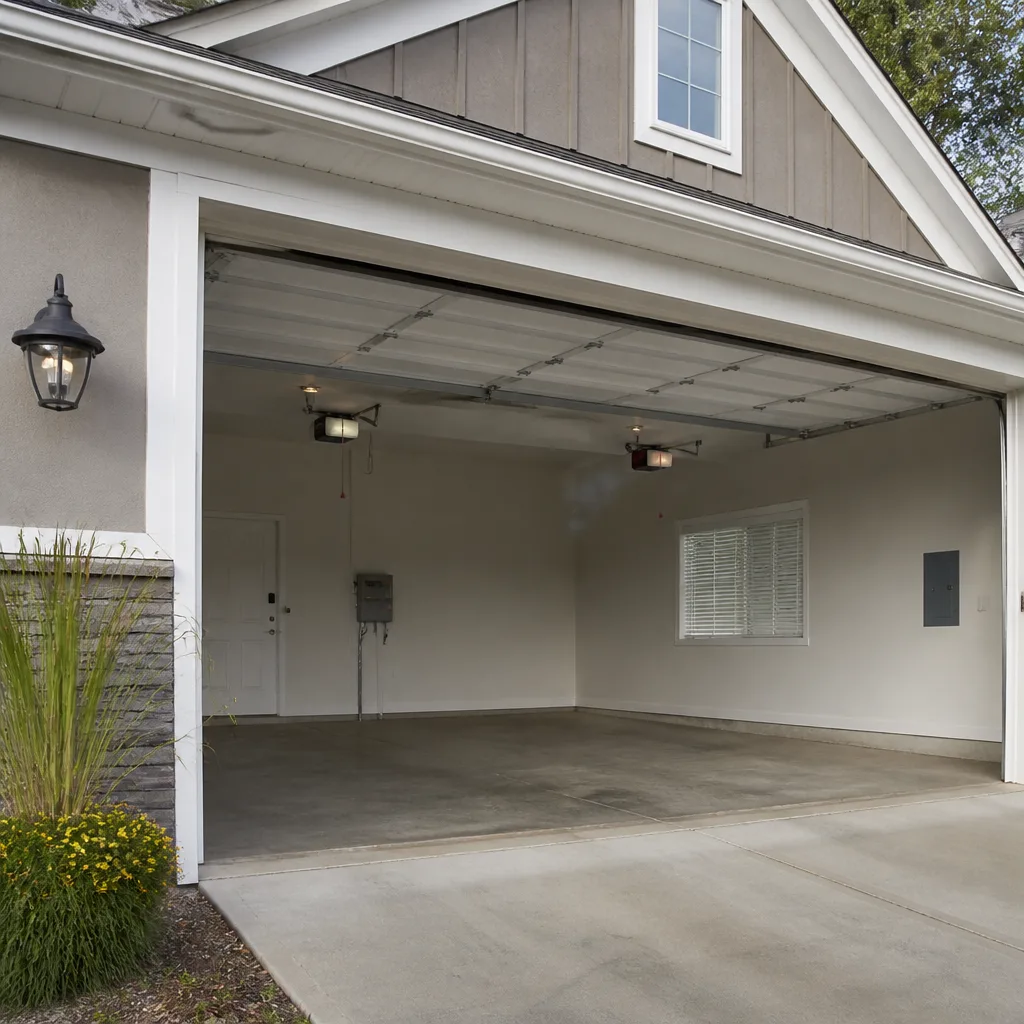 LiftMaster openers
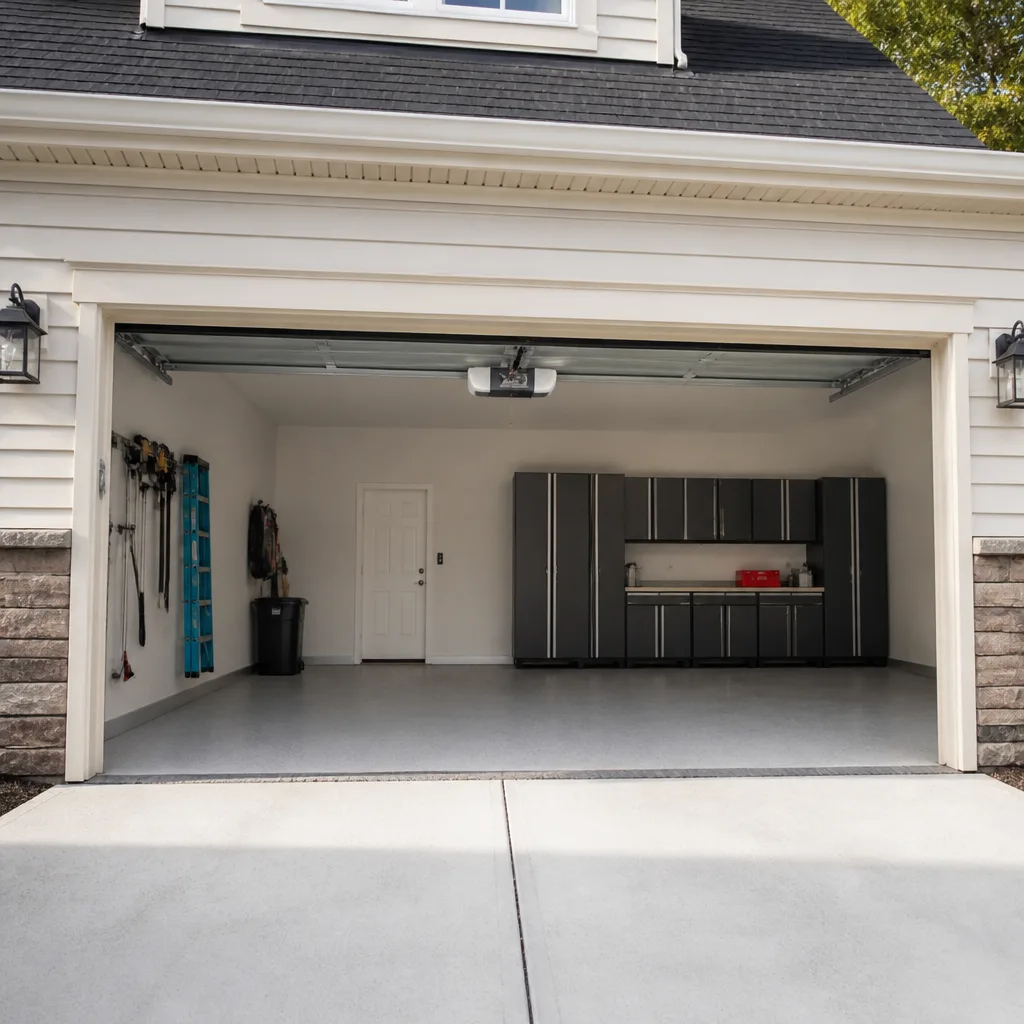 Chamberlain openers
Full 25-point door and opener safety check with every visit - springs, cables, rollers, tracks, and your LiftMaster or Chamberlain opener included
You get a price before we start. It does not change when the pro arrives.
Get your free estimateSeasonal Garage Door Care for Carmel: Year-Round Homeowner’s Guide
Most homeowners think a garage door fails in the dead of winter. In our experience around Carmel, the failure usually starts earlier, in a week of October weather that swings 40 degrees between afternoon and overnight. That’s enough to harden a rubber bottom seal, crack it, and let cold air and moisture reach the floor, where it freezes the door shut by January. The door doesn’t break because it’s cold. It breaks because nobody looked at the seal while it was still flexible. This guide covers what to check in each of Carmel’s four seasons, what to leave alone, and how to build the four tasks into a calendar so none of them become an emergency call.
Quick Answer
Garage doors in Carmel need four seasonal checks a year, one per season, because the area’s wide temperature swings create a different failure mode in each. Fall is about seals and weather-stripping before the first freeze; winter is about spring tension, lubricant viscosity and opener torque; spring is a post-winter hardware audit after the freeze-thaw cycle; summer is about heat stress on opener logic boards and panel warping on a west-facing door. Do the four tasks on a calendar and you’ll spend far less time dealing with breakdowns.
Styles & brands we work with
- Raised-panel steel
- Carriage house
- Modern flush
- Full-view glass
- LiftMaster openers
- Chamberlain openers
Table of Contents
- Why Carmel’s Four Seasons Create Four Different Failure Modes
- Fall Prep: The Seal and Weather-Stripping Inspection
- Winter: Springs, Lubricant and Opener Torque
- Spring: The Post-Winter Hardware Audit
- Summer: Heat, Logic Boards and Panel Warping
- How to Build a Four-Season Maintenance Calendar
- Common Mistakes to Avoid
- When to Call a Professional
Why Carmel’s Four Seasons Create Four Different Failure Modes
Indiana weather is hard on mechanical equipment because it doesn’t hold steady. A garage door system is a stack of moving parts under constant tension, and every one of those parts responds differently to a 70-degree summer afternoon than to a 5-degree winter morning. The springs, the lubricant, the rubber seals, the opener’s torque settings and the steel panels themselves all behave differently across the year. In place after place we work, the same door that ran quietly in September starts grinding in February, and it isn’t a coincidence or bad luck. The environment changed around it.
What makes the Carmel area distinct is the range and the speed of those swings. A week in October can move 40 degrees from one afternoon to the next morning, and a hard cold snap in January usually arrives fast. That kind of shift puts stress on rubber and on lubricant viscosity, and it moves fasteners that have been sitting quietly since the previous summer. The four seasonal tasks in this guide are timed to catch each problem before it turns into a repair.
Garage doors are all we do. That single-trade focus matters here because the diagnosis depends on reading the season correctly. A noise in December and the same noise in June usually mean two different things.
What each season stresses most
- Fall: bottom seal and weather-stripping flexibility, before the first hard freeze
- Winter: spring tension, lubricant viscosity, opener torque
- Spring: fasteners and hardware loosened by the freeze-thaw cycle
- Summer: opener electronics and panel geometry under heat
Fall Prep: The Seal and Weather-Stripping Inspection
The most important fall check on a Carmel garage door is the bottom seal and the weather-stripping, done while the rubber is still soft enough to judge. Run a hand along the bottom seal and press it with a thumb. A healthy seal flexes and springs back. A seal that has gone stiff, cracked at the edge, or separated from the door’s bottom retainer is the one most likely to leak cold air and moisture once temperatures drop. Look at the side and top weather-stripping the same way. If it’s brittle or pulling away, that gap is where weather gets in.
Here’s the sequence we recommend, in order:
- Close the door and look for daylight under the bottom seal. Any visible light line is a leak point.
- Press the seal along its full width. Note stiff or cracked sections and any spots where it has pulled loose from the retainer.
- Check side and top weather-stripping for brittleness and gaps at the corners.
- Look at the floor where the door meets the concrete. Small dips or cracks let moisture pool and freeze.
- Clear the tracks of leaves and debris so the door travels cleanly into winter.
- Test the opener’s safety reverse before the season changes.
Do this before the first freeze, when the seal is still easy to evaluate and easy to replace. A hardened seal replaced in October costs far less than a door that has to be freed from the floor in February. We work on whatever brand you already have, so the seal and stripping on a Clopay or Amarr door get the same attention as anything else. If you find something you’d rather not handle yourself, our garage door repair team can take a look before the cold sets in.
What to watch on the floor line
The concrete under a garage door is rarely perfectly flat, and the low spots collect meltwater. When the seal doesn’t sit flush, that water freezes and bonds the door to the slab. Fall is the time to catch it, not the morning it happens.
Winter: Springs, Lubricant and Opener Torque
Cold affects three things on a garage door: spring tension, lubricant viscosity, and the load the opener has to move. Torsion and extension springs don’t change their tension on their own, but the metal becomes less forgiving in the cold and the door’s moving parts stiffen, so the system is working harder. Lubricant thickens, so hinges, rollers and the spring itself drag instead of gliding. The opener, sensing more resistance, applies more torque to move the door. That combination is why winter is when weak points show.
What to adjust and what to leave alone matters here.
- Leave spring tension alone. Springs are under extreme tension and adjusting them is genuinely dangerous. This is one of the most dangerous parts of any home, and it isn’t a homeowner job. If a spring is broken or the door feels unbalanced, call a trained technician.
- Lubricate the moving parts. A garage-door-specific lubricant on hinges, rollers and the spring reduces drag in cold weather. Check with your opener manual before applying anything near the opener mechanism.
- Watch opener torque behavior. If the opener struggles, reverses, or the door opens partway and stops in cold weather, that’s a sign of excess resistance, not necessarily a failed opener. A technician can check the opener’s force settings and whether the door is balanced.
Whether it’s the door, the springs, or the opener itself, winter is when we see the most torque-related calls. On a LiftMaster or Chamberlain system, the opener may be logging a fault that looks like a motor problem and is actually a door-load problem. If the door won’t run in the cold, our garage door opener repair service can diagnose whether the opener or the door is the source.
What not to do in the cold
Don’t force a frozen door with the opener. If the bottom seal has bonded to the floor, the opener keeps pushing against a door that can’t move, which stresses the opener and the door. Free the door by hand first, or call for help.
Spring: The Post-Winter Hardware Audit
Spring in Carmel is when the freeze-thaw cycle has had its way with your hardware for months, and the audit below takes under 20 minutes. Every freeze and thaw moves metal slightly. Fasteners loosen. Rollers wear a little more each cycle. The door that was tight in November may have a bracket that’s a quarter-turn loose by March. A quick audit catches that before it becomes a rattle or a stuck door.
Run this checklist in order:
- Look at every hinge and bracket with a light. Check for loose bolts and worn roller stems.
- Inspect the rollers for flat spots, chips or wobble.
- Check the tracks for dents, bends or debris, especially where the door enters the curve.
- Test the door balance by hand (with the opener disconnected) at the halfway point.
- Test the safety reverse and the photo-eye alignment.
- Lubricate hinges and rollers lightly as part of the same pass.
- Look at the weather-stripping again, now that winter has stressed it.
Balance is the key item. Disconnect the opener and lift the door to about halfway. A balanced door stays put; an unbalanced door drops or rises on its own. Unbalanced means the springs are doing the wrong amount of work, and that’s a spring adjustment, which is a technician’s job. If an inspection turns up a worn roller or a loose bracket you’d like handled, our garage door repair team can do a same-visit diagnosis and repair. Our technicians have up to 8 years of experience reading exactly this kind of post-winter wear.
Why the audit is worth the 20 minutes
The freeze-thaw cycle is patient. Loose hardware left alone wears the door’s moving parts faster all summer, and by fall you’re replacing more than a bolt. A short spring check keeps the whole year’s cycle from compounding.
Summer: Heat, Logic Boards and Panel Warping
Summer heat stresses the parts of a garage door that aren’t mechanical. Two things in particular: the opener’s electronics, and the door panels themselves. On the electronics side, modern openers like a LiftMaster or Chamberlain unit have logic boards that live in the garage, and a garage can get hot. Heat is hard on electronics, and it’s one reason a board that worked all winter can start behaving oddly in July. On the door side, a dark-colored door facing west absorbs sun all afternoon, and that heat build-up puts real stress on the panel material. Over time, a black or dark-colored west-facing door in a Carmel summer is more prone to warping or bowing than a light-colored door in shade.
What to check in summer:
- Logic board behavior: if the opener is behaving erratically, check for a hot garage and look at the manual for any board-related guidance before assuming failure.
- Panel condition: look at a west-facing door for bowing, warping or sections that no longer sit flush.
- Track alignment: heat can affect a track’s geometry slightly, so watch for the door binding.
- Ventilation: a hot garage doesn’t have to stay that hot. A little airflow helps both the opener and stored items.
On a Craftsman or Raynor system in an unventilated garage, an intermittent opener fault in summer is worth a diagnostic rather than a guess. Same-visit diagnosis and repair means we can look at the door and the opener together, and tell you whether the fix is a board, a force setting, or something mechanical.
Shade and color matter
If you’re choosing a new door, know that the color and the direction it faces affect how much heat it takes. A west-facing door in a hot summer sees the most afternoon sun, so material and color choices matter more there than on a shaded north-facing wall.
How to Build a Four-Season Maintenance Calendar
The fix for all four failure modes is the same: put the tasks on a calendar so none of them happen reactively. Reactive maintenance is what turns a cracked seal into a frozen door, and a loose hinge into a worn roller. The calendar approach spreads four short tasks across the year instead of one long emergency.
Here’s a simple four-task calendar to start with:
- October: bottom seal and weather-stripping inspection, test the safety reverse, clear the tracks (about 30 minutes).
- January: check for a frozen floor line, lubricate the moving parts, and watch the opener for cold-weather struggles (about 15 minutes).
- April: post-winter hardware audit, balance test, roller and track check (under 20 minutes).
- July: panel and track inspection, logic board behavior check, opener and door run-through (about 15 minutes).
A few things make the calendar stick. Note the tasks in your phone or a paper list so they don’t slip. Do the inspection on a calm, dry day when you can see clearly. And keep a short record of anything you notice so that if you do call a technician, you can tell them what changed and when. That record saves time on the diagnosis and makes the visit more efficient.
For a homeowner in Carmel, the 40-degree October swing and the fast January cold snap are the two events that set the whole year’s timing. Inspecting the seal in October and checking hardware in April puts the two most important tasks right before the two seasons that stress them most. If a task turns up something you’d rather have a professional look at, our garage door repair team can take it from there, and the opener repair side covers the electronics.
Why the record is worth keeping
Small notes are the cheapest part of this whole routine. A note that says “bottom seal cracking, replaced in October” tells a technician exactly what to expect and helps them skip straight to what needs attention.
Common Mistakes to Avoid
Most of the calls we get about seasonal door problems trace back to a handful of avoidable habits. Here are the ones we see most, and each is fairly easy to fix once you know it’s a mistake.
- Waiting for the first freeze to check the seal. By then the rubber is hard and the damage is already done, so the seal that could have been judged in October is now failing in January. Check it while it’s flexible.
- Force-adjusting springs yourself. Torsion and extension springs are one of the most dangerous parts of a garage door, and this isn’t a DIY job. A trained technician is the only safe option on spring adjustment or replacement.
- Using the opener to break a frozen floor bond. When the seal is frozen to the slab, the opener pushes against a door that can’t move, which stresses both. Free it by hand or call for help.
- Skipping the post-winter audit because the door “feels fine.” The freeze-thaw cycle loosens hardware quietly, and a quick 20-minute check catches it before it becomes a rattle. Feeling fine in April doesn’t mean every fastener is tight.
- Ignoring a hot garage in summer. Erratic opener behavior in July often traces to heat on the electronics, and it’s worth a look rather than a guess. A logic board on a hot west-facing wall is a different problem than a mechanical jam.
- Assuming a west-facing dark door behaves like any other door. Heat build-up on a dark panel facing the afternoon sun is real, and if the door is bowed it isn’t a cosmetic issue. Check the panels in summer.
- Guessing at a brand you don’t know. Whether your door is a Craftsman or a Raynor, a generic handyman guess can cost more than a proper diagnosis. A specialist who works with your brand starts from familiarity, not trial and error.
When to Call a Professional
Some seasonal tasks belong to the homeowner and some don’t. The line is mostly about safety and about whether you can read the symptom correctly. Call a professional when a spring is broken or feels wrong, when the door is unbalanced at the halfway point, when the opener behaves erratically in the heat or cold, when the door is frozen to the floor and you’re not sure how to free it, or when a panel is warped and doesn’t sit flush. Don’t force a spring adjustment, don’t push the opener past a resistance it can’t overcome, and don’t guess at a track fix. If something on your door has changed since the last season and you can’t tell whether it’s normal wear or a problem, that’s a good reason to have it looked at.
Carmel Garage Door Service offers free estimates in Carmel. Call (855) 535-1056. We answer 24/7. Fast dispatch from 7am to 7pm, Sunday through Friday, and we’re closed Saturday. The written estimate sets the price, and we always quote and agree before any work starts.
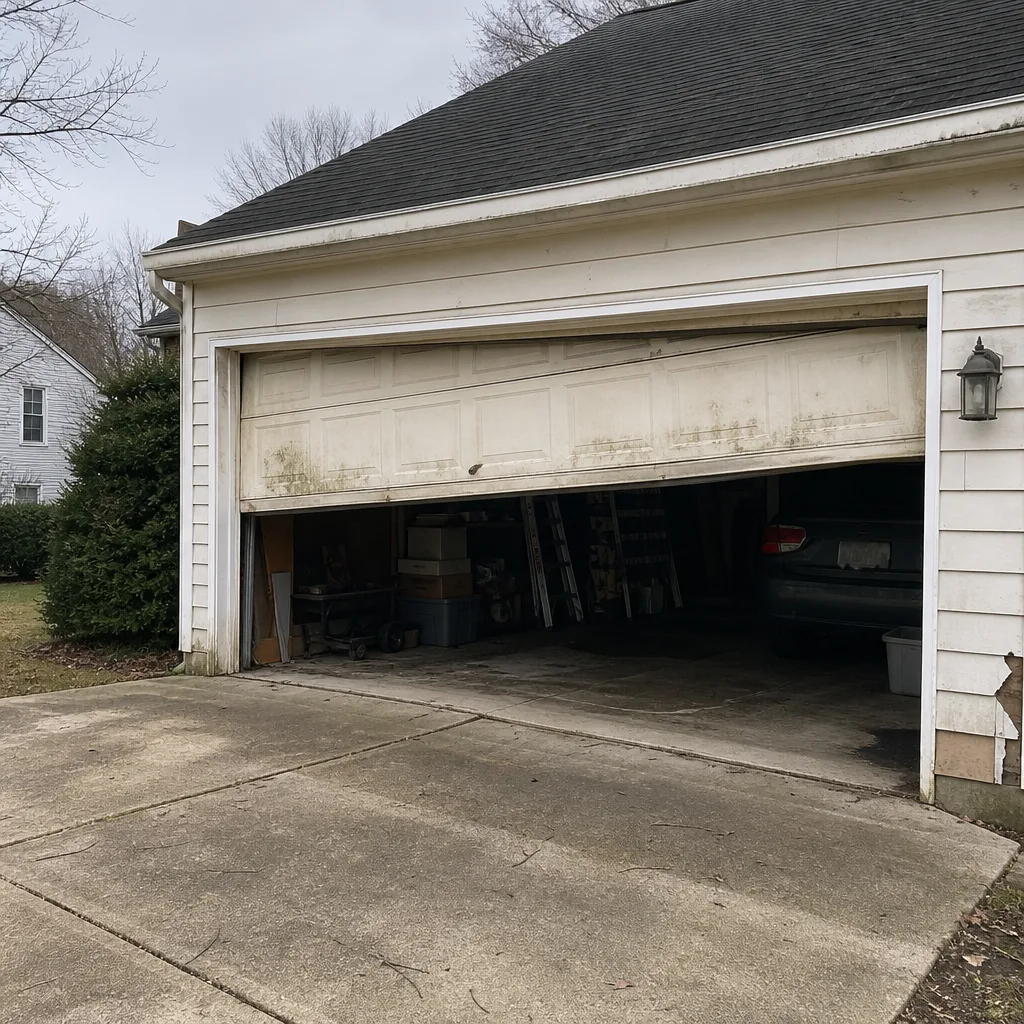
See the difference
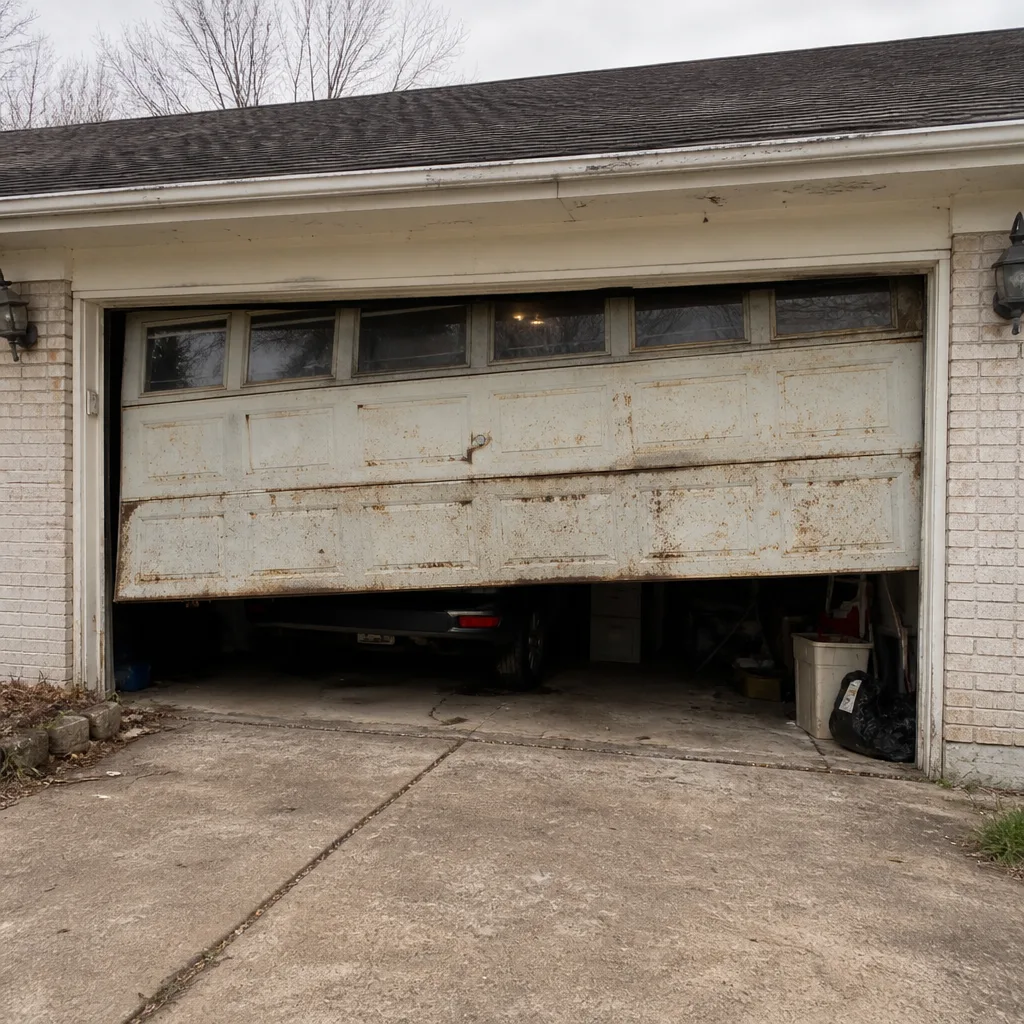 Before
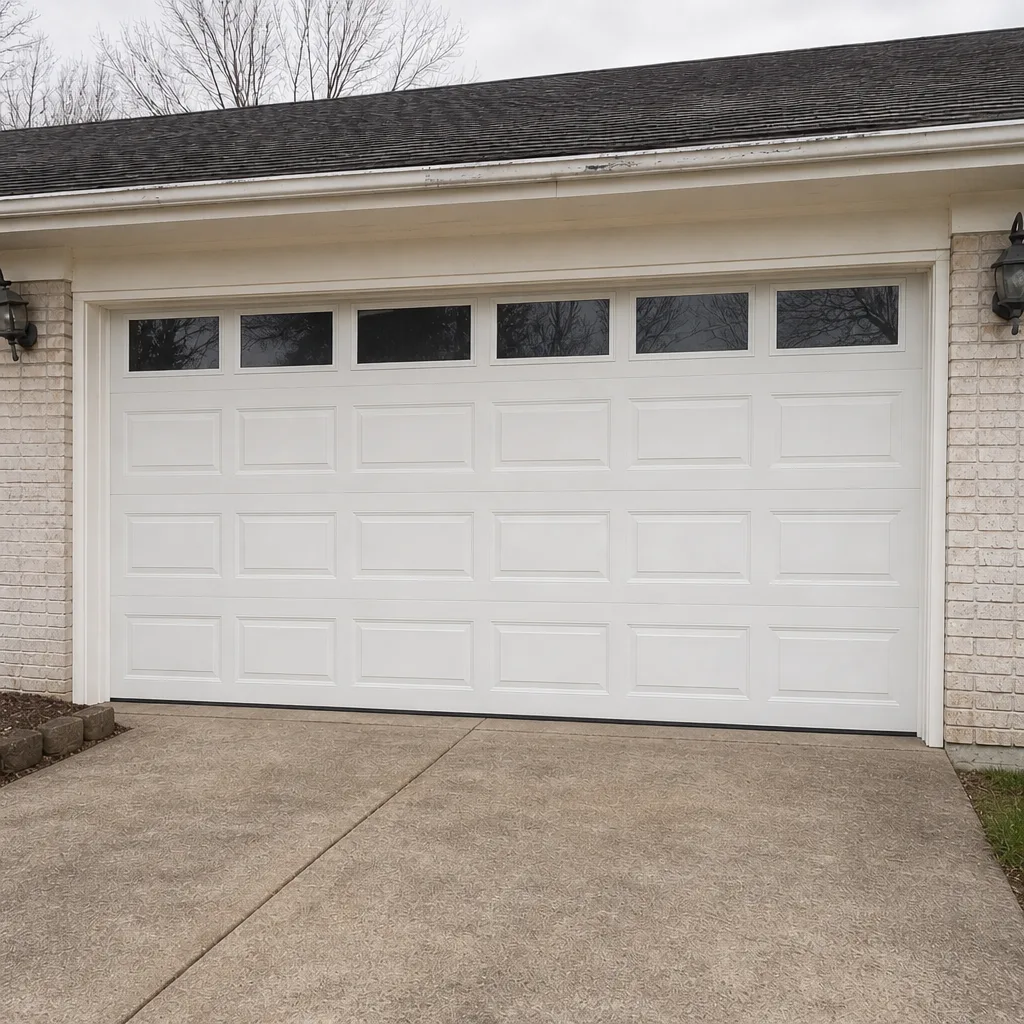 After
 Before
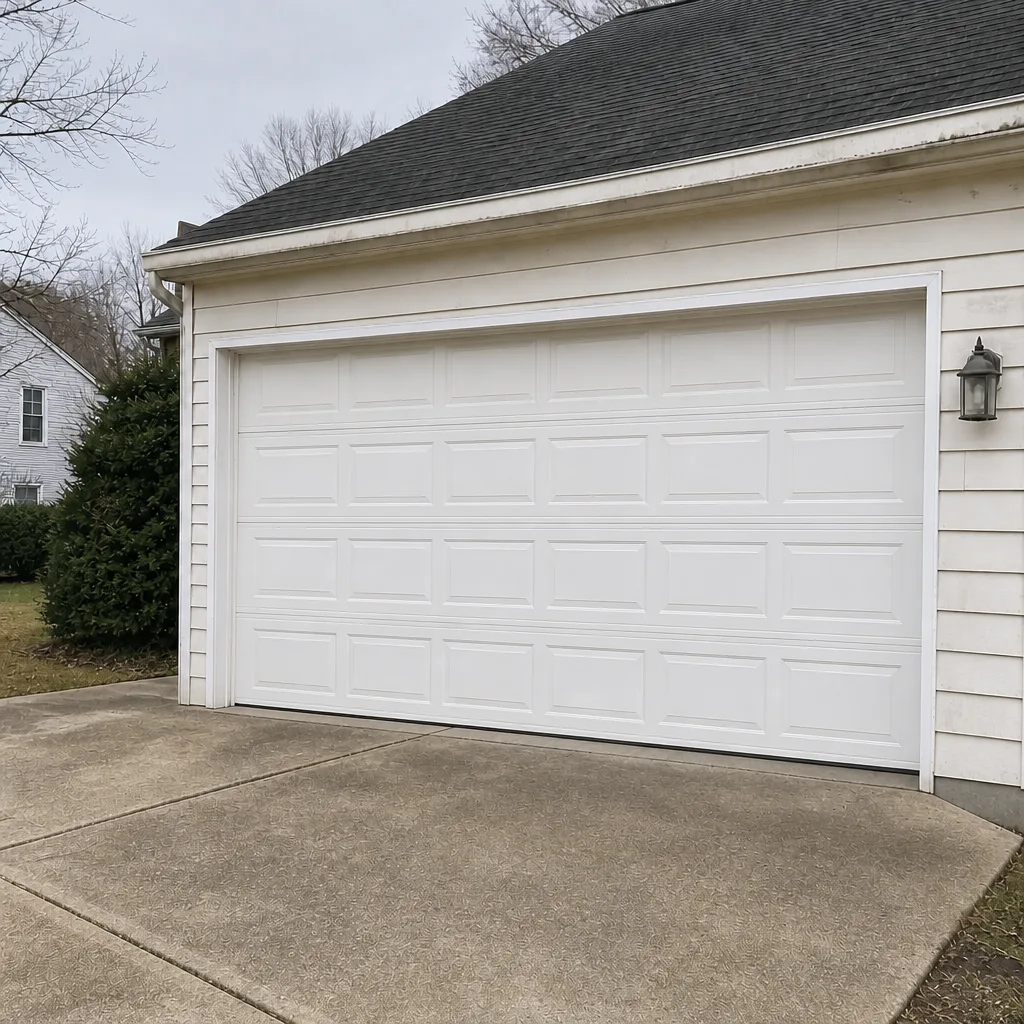 After
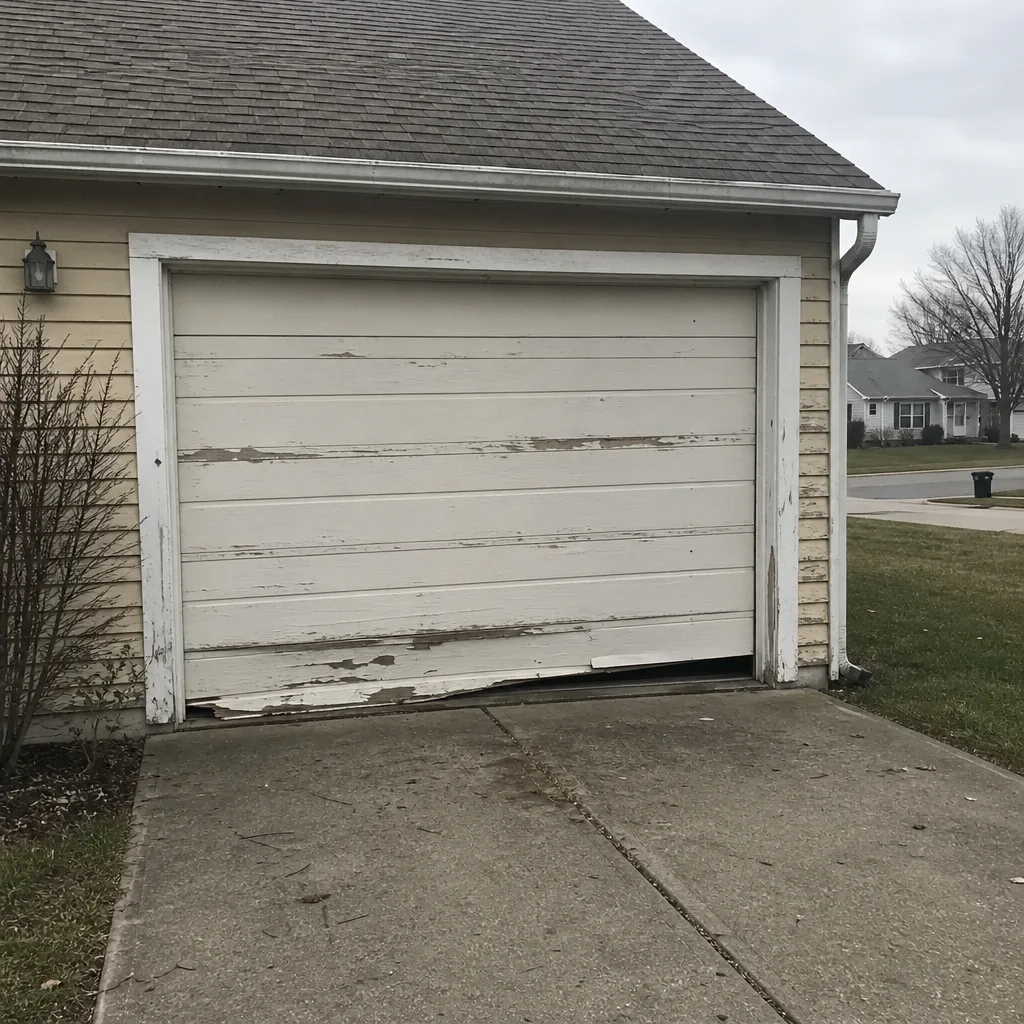 Before
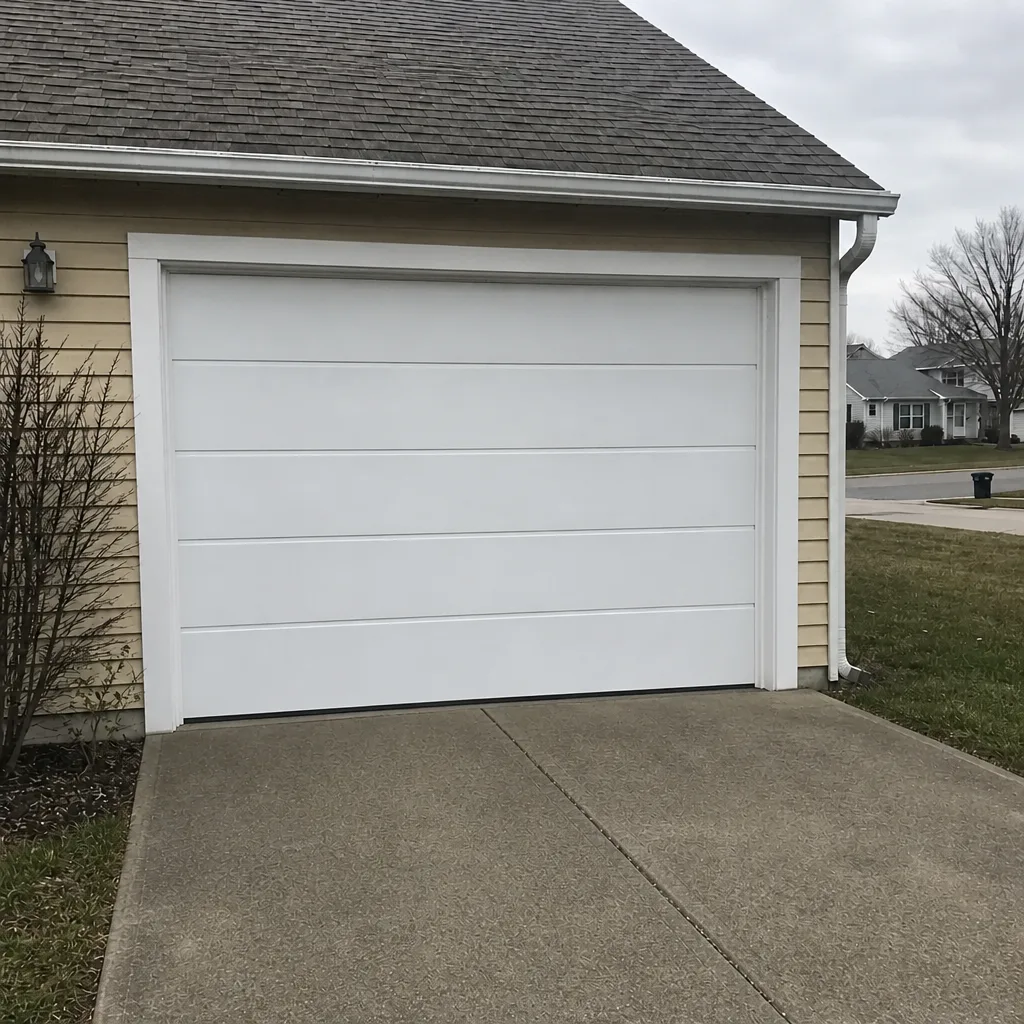 After
Frequently Asked Questions
A bottom seal that hardened and cracked in the fall, which then lets cold air and moisture reach the floor and freeze the door shut. It’s less often a broken spring than homeowners expect. The fix in most cases is catching the seal before the first freeze, in October, when the rubber can still be judged and replaced.
No. Springs are under extreme tension and are one of the most dangerous parts of the door, and adjusting them is not a homeowner job. In cold weather, lubricate the moving parts and watch the opener for struggles, but leave spring tension to a trained technician. Call (855) 535-1056 for an exact assessment and a written estimate.
Cold thickens lubricant and stiffens the door’s moving parts, so the system works harder, and the opener senses more resistance and applies more torque. If the door struggles or reverses in cold weather, it’s usually excess resistance rather than a failed opener. A technician can check the door balance and the opener’s force settings. Call (855) 535-1056 for a same-visit diagnosis.
Repeated freezing and thawing moves metal slightly, which loosens fasteners and wears rollers over the winter. That’s why a post-winter audit in spring is worth the 20 minutes. Check hinges, brackets, rollers and tracks for looseness and wobble before summer arrives. If you’d rather have it looked at, our garage door repair team can run the audit.
A dark door facing west absorbs afternoon sun all summer, and heat build-up puts more stress on the panel material than a light-colored door in shade. A west-facing panel is the one to inspect for bowing or warping at the height of summer. If a panel no longer sits flush, that’s worth a professional look rather than a cosmetic fix.
Yes. A modern opener’s logic board lives in the garage, and heat is hard on electronics, which is why a unit that worked all winter can behave oddly in July. If the opener is erratic in summer, a diagnostic visit can tell whether it’s a board issue, a force setting or something mechanical. Call (855) 535-1056 for an exact quote on the fix.
The Bottom Line
Carmel’s four seasons create four different failure modes, and each of them is easier to head off than to repair. Fall is a seal and weather-stripping inspection before temperatures drop. Winter is lubricant and opener torque, with spring tension left to a technician. Spring is a 20-minute post-winter hardware audit after the freeze-thaw cycle loosens fasteners. Summer is a look at heat stress on the logic board and panel warping on a dark west-facing door. Put all four on a calendar and none of them happen reactively. Whether your door is a LiftMaster, Chamberlain, Genie, Clopay, Amarr, Wayne Dalton, Craftsman or Raynor system, a scheduled check keeps you ahead of the season. If you’d like that set up, we’re glad to help. Call (855) 535-1056. We answer 24/7. Fast dispatch from 7am to 7pm, Sunday through Friday, and we’re closed Saturday. Our team at Carmel Garage Door Service is here to help, with free estimates and the right fix.
Written by the team at Carmel Garage Door Service.