
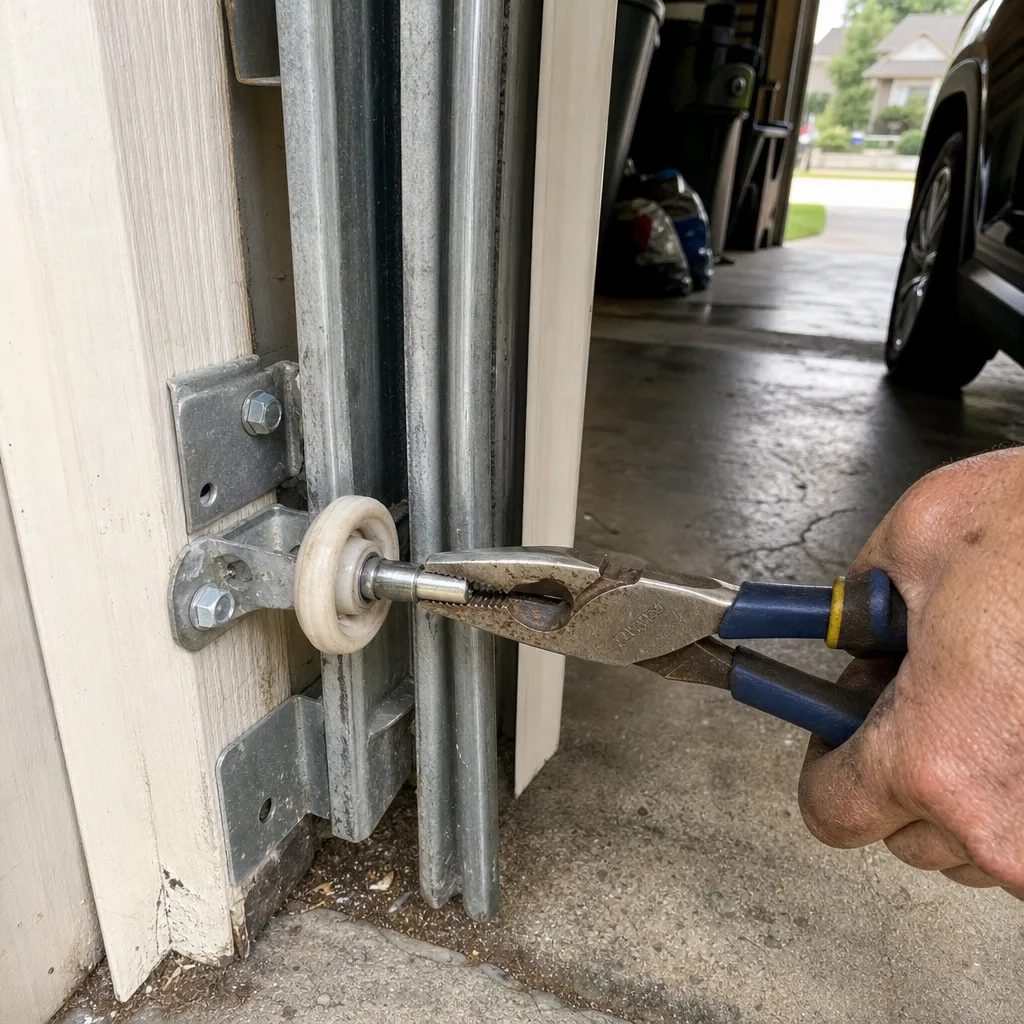
Last updated November 15, 2026
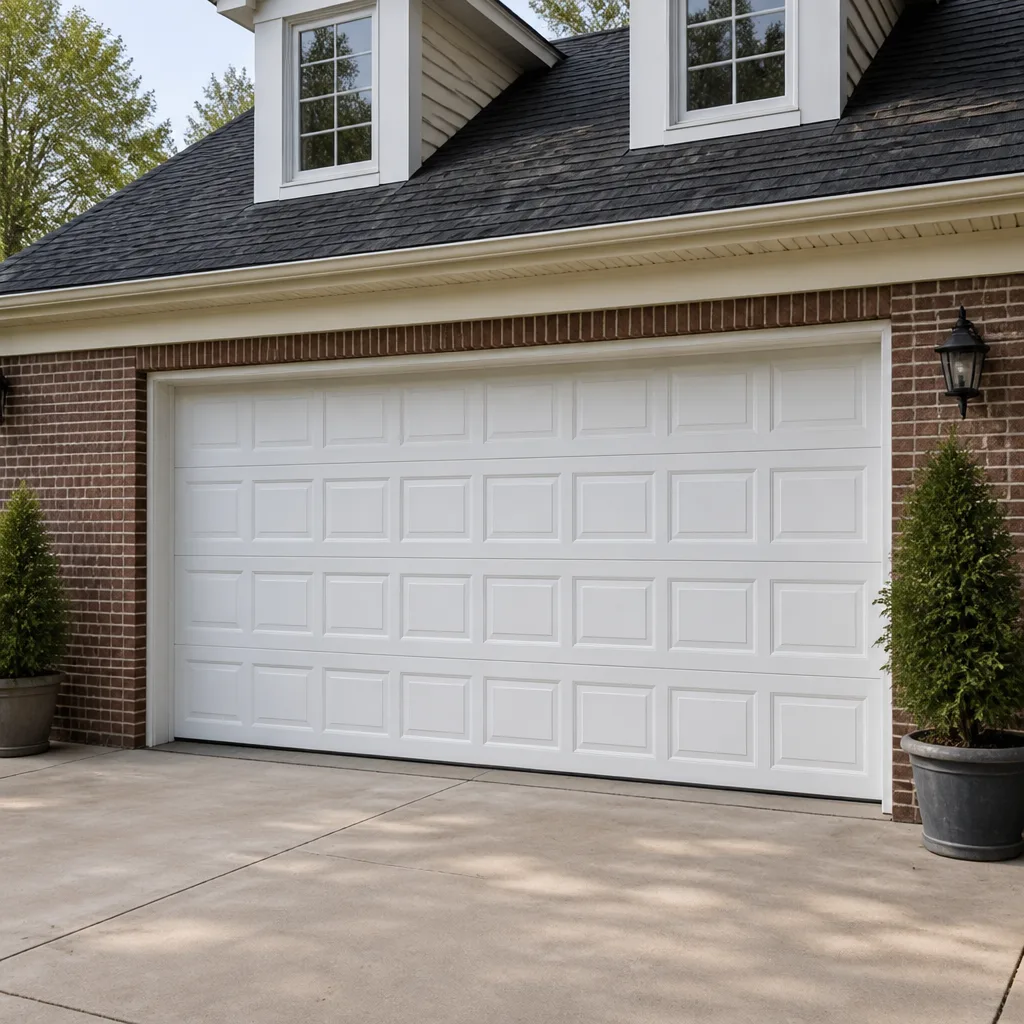 Raised-panel steel
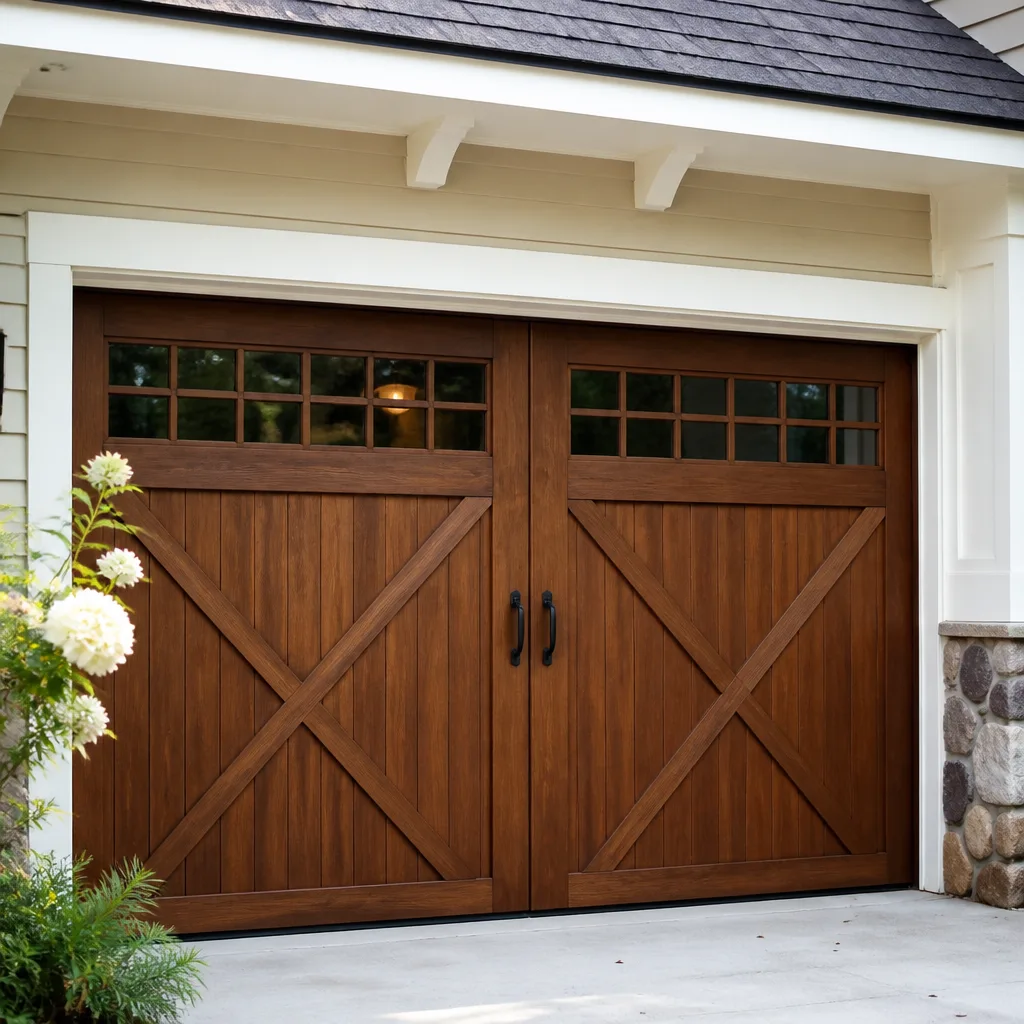 Carriage house
 Modern flush
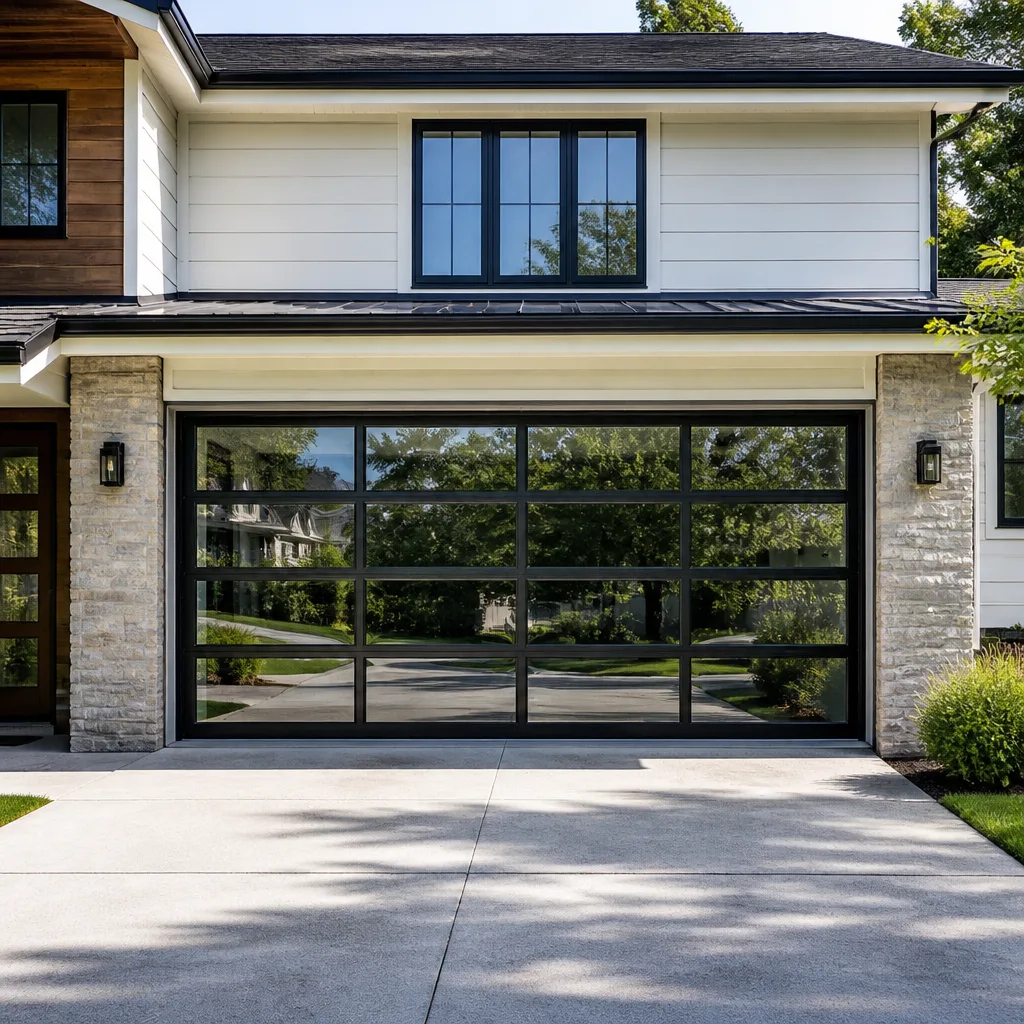 Full-view glass
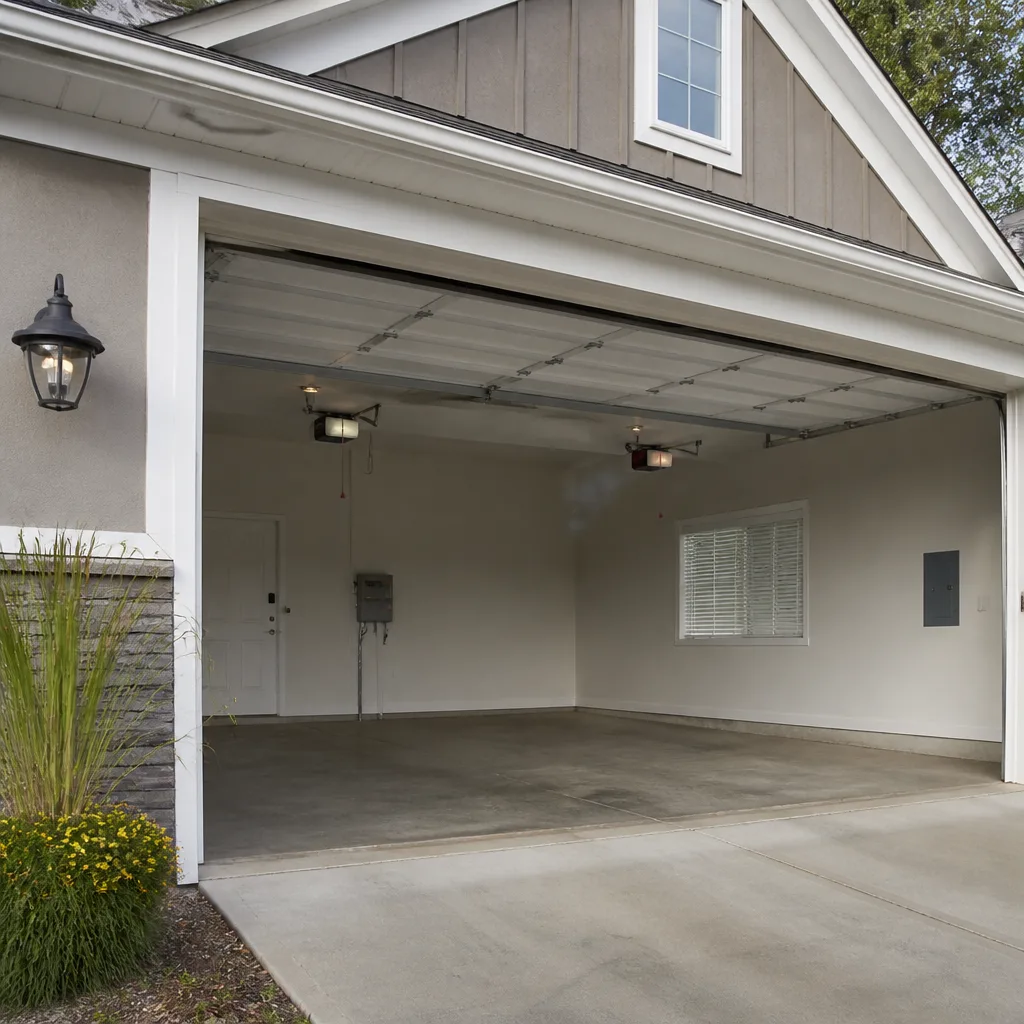 LiftMaster openers
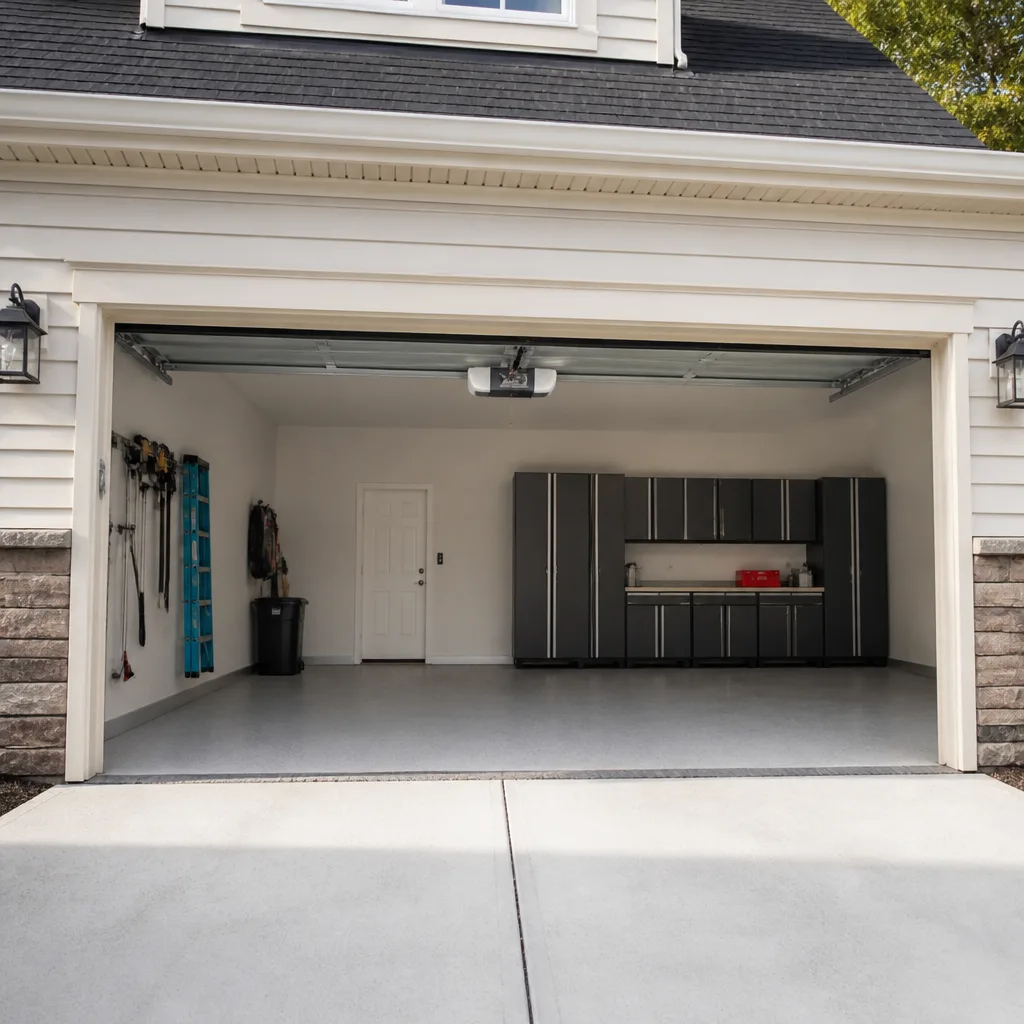 Chamberlain openers
Full 25-point door and opener safety check with every visit - springs, cables, rollers, tracks, and your LiftMaster or Chamberlain opener included
You get a price before we start. It does not change when the pro arrives.
Get your free estimateDIY vs Professional Garage Door: The Carmel Homeowner’s Decision Guide
Torsion springs hold hundreds of pounds of tension, and videos make replacing one look like a twenty-minute job. That gap between how easy it looks and how dangerous it is has sent plenty of homeowners to the emergency room. But here’s the flip side: the same person who should never touch a spring can safely replace weather stripping, lubricate hinges, and adjust opener travel limits. The DIY-or-professional question isn’t about how handy you are. It’s about which tasks carry real injury risk and which ones are genuinely homeowner-appropriate. This guide draws that line for Carmel homeowners, task by task, so you spend your energy where it counts and leave the dangerous work alone.
Styles & brands we work with
- Raised-panel steel
- Carriage house
- Modern flush
- Full-view glass
- LiftMaster openers
- Chamberlain openers
Quick Answer
Some garage door work is safe for a careful homeowner: lubrication, weather seal replacement, visual inspections, and basic opener adjustments. Other work is not safe at any DIY skill level, and torsion spring replacement tops that list. For anything involving springs, cables, bottom brackets, or the high-voltage wiring inside your opener, hire a trained professional. Everything in between comes down to your tools, your patience, and how costly a mistake would be.
Table of Contents
- What’s Genuinely Safe for a Homeowner to Do?
- What Should You Never Touch Yourself?
- The Spring Question: Torsion vs Extension Physics
- The Cost Math: When DIY Saves Money in Carmel
- Indiana Liability and Selling Your Home
- The Middle Path: Prep Work That Cuts the Bill
- Knowing Your Brand Before You Decide
- Common Mistakes to Avoid
- When to Call a Professional
- Frequently Asked Questions
- The Bottom Line
What’s Genuinely Safe for a Homeowner to Do?
Several routine upkeep tasks on a garage door require no specialized equipment and carry almost no injury risk. If you’re comfortable on a step ladder and can follow basic instructions, these are yours to handle.
- Lubricating hinges, rollers, and tracks. A garage-door-specific lubricant on the moving metal parts quiets a noisy door and slows wear. It’s a fifteen-minute task that pays for itself.
- Replacing weather stripping. The rubber seal along the bottom and sides of the door cracks and flattens over time. New seals keep rain and cold air out and are a simple push-fit or screw-on job.
- Visual inspection. Look for frayed cables, bent tracks, worn rollers, and loose hardware. You’re checking, not fixing, and that’s exactly right.
- Adjusting opener travel limits and force settings. Most openers have a control panel with travel-limit and force adjustments. This is a settings change, not a mechanical repair, and it’s within reach for many homeowners.
- Cleaning and re-lubricating the opener chain or screw drive. Following the manufacturer’s guidance for your specific opener model, this is routine maintenance.
- Testing the safety reversal system. Place a solid object in the door’s path and confirm the door reverses. This is a safety check everyone should know how to do.
Notice what these have in common: none of them put your hands near energy stored in a spring or cable, and none of them involve opening an electrical housing. That’s the dividing line. In our experience, homeowners who stay on this side of it rarely get hurt and often save real money over the years.
What Should You Never Touch Yourself?
Some repair tasks should carry a hard stop for any homeowner, no matter how confident you feel. These aren’t just harder versions of the safe tasks; they involve stored mechanical energy or live electrical components that can injure or kill in an instant.
- Torsion spring replacement. The spring above your door is wound to a specific tension that counterbalances the door’s weight. Releasing that tension incorrectly can spin the winding bars with enormous force. This is the single most dangerous job on a garage door.
- Extension spring replacement. Somewhat less hazardous than torsion springs but still under significant tension. A failing extension spring can snap with enough force to damage property or cause injury.
- Cable replacement and adjustment. Cables are under tension and can whip when they fail or are released under load.
- Bottom bracket work. The bottom bracket is where the cable attaches and is under tension from the spring system. It deserves the same caution as the springs themselves.
- Any wiring inside the opener or the wall control. This is line-voltage electrical work. Unless you’re a licensed electrician, leave the wiring alone.
- Replacing a snapped or badly bent track section. Track alignment affects how the door travels and how the cables behave. Getting it wrong can load the door unevenly.
When your door’s problem lands in this list, the smart move is to stop and call a professional. The cost of a repair is predictable; the cost of an injury is not. In Carmel, homeowners who skip this rule often do so once, then never again.
The Spring Question: Torsion vs Extension Physics
Most homeowners lump both spring types into one mental category: “the spring broke, so replace the spring.” The physics are different, and so is the risk. Understanding why one is far more dangerous explains why professionals treat it with such care.
How torsion springs store energy
A torsion spring works like a wound clock spring, but on a scale that’s hard to picture until you see one up close. It mounts on a shaft above the door and stores energy by being twisted, not stretched. That stored rotational force is what lifts your door. When a torsion spring fails, the energy releases in a sudden, uncontrolled motion. For a homeowner working without winding bars and proper training, that release can cause serious injury. The videos online often skip the step where the spring is under the most tension, which is exactly where things go wrong.
How extension springs store energy
Extension springs stretch along a track above the door and pull it up from the sides. They’re under less tension than torsion springs and are generally considered less dangerous to work around, though “less dangerous” is not “safe.” They still carry enough force to hurt you if one lets go while you’re near it. Many extension-spring doors have a safety cable running through the spring to contain it if it breaks. If yours doesn’t, that’s worth addressing.
The takeaway
Both spring types store real energy. Torsion springs store more, and their failure mode is less forgiving. Our advice is the same either way: this is a job for someone with the right tools and the training to handle the energy safely. Our technicians have up to 8 years of experience, and spring work is something our team treats with strict respect.
The Cost Math: When DIY Saves Money in Carmel
DIY earns its keep on the small stuff and loses on the big stuff. Here’s how to think about the math for each category, without overthinking it.
Where DIY saves money
- Lubrication: a can of garage-door lubricant is a small cost, and you avoid a service visit entirely.
- Weather seal replacement: a new bottom seal is inexpensive at any hardware store, and the installation is quick.
- Opener settings: adjusting travel limits or force settings costs nothing and may fix a door that’s stopping short or reversing.
- Cleaning and basic upkeep: catching a worn roller or loose bolt early can head off a bigger repair later.
Where DIY turns expensive
- Spring and cable work: a professional repair is a predictable, quoted cost. A mistake on a torsion spring can cost far more in medical bills or a damaged door.
- Parts-guessing: buying the wrong opener logic board or the wrong roller size wastes money and adds a return trip.
- Callback math: a repair that comes back for a second look adds up to more than hiring the job once. In our experience, that’s the most common hidden cost of a DIY attempt.
- Wrong part, right fit: an opener part that “looks the same” may not match. Brand-aware repair avoids this pitfall entirely.
Our service in Carmel is priced by a written estimate, and that estimate is free. The price we quote is the price you pay, agreed before any work starts. When you’re weighing a DIY attempt against a quoted repair, that certainty is worth something.
Indiana Liability and Selling Your Home
Doing your own repair is your right. But when you sell, a garage door that was repaired improperly can become a liability. Here’s what homeowners in Carmel should keep in mind.
When you sell a home in Indiana, a buyer’s inspector will typically not disassemble your garage door, but they will look for function and safety issues. A door that reverses slowly, runs out of balance, or shows signs of a botched repair can prompt a buyer to ask for a credit at closing. That credit often exceeds what a professional repair would have cost. In a competitive market, buyers with inspection reports can use these findings as leverage.
The other piece is safety. A garage door that fails to reverse properly, or one whose springs are compromised, is a safety concern regardless of whether you ever sell. Most homeowners want to know their door is safe. If you’ve done work on the door yourself and you’re not sure it’s right, a professional inspection resolves the question.
Our advice is simple: if you’ve done the safe tasks and stopped before the springs and cables, you’re fine. If you’ve gone further and had any doubts, have it checked. A free estimate is a good way to find out where things stand.
The Middle Path: Prep Work That Cuts the Bill
The best middle path is to do the prep work yourself and let a professional do the repair. You’ll spend less time on the quote and less time on the actual repair because the technician arrives knowing what to do. Here’s how to prep.
- Identify your brand and model. The label on the opener housing and the door panels will tell you whether you have a Craftsman opener, an Amarr door, a Wayne Dalton panel, or a Raynor system. Matching the part is the first step, so knowing the brand saves guesswork.
- Write down the symptoms in plain words. “The door goes up a foot then reverses,” “the opener hums but nothing moves,” or “the door is crooked on the way down” are all useful. A specific description saves diagnostic time.
- Measure the door opening. For anything involving panels or installation, the opening width and height matter. Measure the opening, not the panel face, and jot the numbers down.
- List the repair history you know. If you replaced a part last year or the door has always been noisy, that context helps the technician understand the current problem.
- Take a clear photo. A photo of the door, the opener, and the label on the opener is worth a lot when you call. It may even let us identify the part over the phone.
That’s useful prep that takes ten minutes and makes the whole service call faster. It also means the estimate is more accurate the first time. If you’re in Carmel and your door is acting up, you can call us with the details and we’ll get a free estimate started.
Knowing Your Brand Before You Decide
The single biggest DIY trap for garage door and opener work is assuming parts are universal. They aren’t. Openers from different brands use different logic boards, remotes, and safety sensors, and doors from different manufacturers use different panel profiles and spring sizes. Knowing what you have is the first step in deciding whether to fix it yourself.
We work with eight of the most widely installed brands: LiftMaster, Chamberlain, Genie, Clopay, Amarr, Wayne Dalton, Craftsman, and Raynor. Whether your garage door opener is a LiftMaster with a smart-home module or an older Craftsman with a screw drive, our technicians arrive already familiar with how it works. That’s a different experience from a generalist who has to look up the manual. If your opener is a brand we don’t see on that list, we still want to hear from you. We’re brand-agnostic: we work on whatever brand you already have rather than steering you toward a replacement line.
For tasks like lubricating a hinge or replacing a seal, brand doesn’t matter much. For opener repair or any door work, knowing the brand can be the difference between a repair that lasts and a repair that comes back. If you’re not sure what brand you have, take a photo of the opener label and call us. We’ll help you identify it.
Common Mistakes to Avoid
- Treating a spring replacement like a YouTube tutorial. The videos leave out the most dangerous step, and the winding process needs proper winding bars and training. Skip this one entirely.
- Using WD-40 or general-purpose oil on your tracks. Most garage doors need a garage-door-specific lubricant. General-purpose oil attracts grit and can gum up the rollers, especially through Carmel’s humid summer months.
- Forcing a crooked door back into the track. A door that’s off-track or crooked usually has a cable or spring issue behind it. Forcing it can bend the track or cause the door to fall.
- Adjusting opener force settings too high. A force setting that’s too high lets the door close on obstacles that should reverse it. That’s a safety problem, and most current openers have guidance in the manual.
- Buying a replacement part by sight alone. Two opener boards can look identical and still not match. Ordering by model number is worth the extra minute.
- Ignoring a door that’s noisy or slow. A grinding or squeaking door is telling you something. Catching it early often turns a repair into a tune-up.
- Assuming a new opener will fix a worn door. If the door itself is out of balance, a new opener will just strain harder. The door is the system, and the opener is the motor.
When to Call a Professional
Some situations simply call for a trained hand. If your door has a broken spring, a snapped or slack cable, a track that’s bent or off its mount, a door that won’t reverse on obstacles, or an opener that’s humming without moving the door, call a professional. The same is true if you’ve done the safe tasks and the door still isn’t working right, or if the door is more than a few years old and has never been serviced. Our garage door repair service covers the door system, and our garage door opener repair covers the motor side, so you get one team for the whole problem rather than two appointments. If it’s the door, the springs, or the opener itself, we handle it in the same visit. Carmel Garage Door Service offers free estimates in Carmel. Call (855) 535-1056. We answer 24/7. Fast dispatch from 7am to 7pm, Sunday through Friday. We’re closed Saturday.
Frequently Asked Questions
No. Torsion spring replacement is the most dangerous garage door repair and should be done only by a trained professional with proper winding bars and technique. A homeowner without that training risks serious injury from the stored energy in the spring. Call (855) 535-1056 for an estimate; estimates are free.
Yes, in most cases. Adjusting travel limits and force settings on the opener control panel is a settings change rather than a mechanical repair, and many homeowners can do it by following the owner’s manual. If the opener still misbehaves after adjustment, that’s a sign of a deeper issue worth diagnosing professionally. Call us if you’d like a hand.
Spring repair is priced per job based on the specific door and spring type, and we set the price with a written estimate before any work starts. We won’t quote a phone number and spring it on you later. Call (855) 535-1056 for a free estimate on your door.
A torsion spring stores energy by twisting along a shaft above the door, while an extension spring stores energy by stretching along a track at the sides. Torsion springs hold more energy and are considered more dangerous to work around, but both require a trained professional for replacement.
It can. A buyer’s inspection that turns up a botched repair or a door that doesn’t reverse properly can lead to a credit request at closing that often exceeds the cost of a professional repair. If you’ve done work yourself and you’re not certain it’s right, a professional check resolves it before a buyer sees it.
It helps but you don’t need to. Knowing whether you have a LiftMaster, Chamberlain, Genie, Clopay, Amarr, Wayne Dalton, Craftsman, or Raynor system can speed up the diagnostic, and a photo of your opener label is often enough for us to identify it. If you’re unsure, call (855) 535-1056 and we’ll walk through it with you.
The Bottom Line
Garage door DIY is not one decision; it’s a set of decisions split along a clear line. Lubrication, weather seals, visual inspections, and opener settings are safe and smart to do yourself. Springs, cables, bottom brackets, and electrical wiring are professional work at any DIY skill level. The math favors DIY on the small tasks and favors a professional on the big ones, especially once you count the cost of a callback or a botched repair at sale time. When you’re ready for a professional, Carmel Garage Door Service offers free estimates in Carmel and handles the door, the springs, and the opener itself in one visit. Our technicians have up to 8 years of experience and work on eight major brands, including Amarr and Wayne Dalton. Call (855) 535-1056 for a free estimate. We answer 24/7. Fast dispatch from 7am to 7pm, Sunday through Friday.
Written by the team at Carmel Garage Door Service.
See the difference
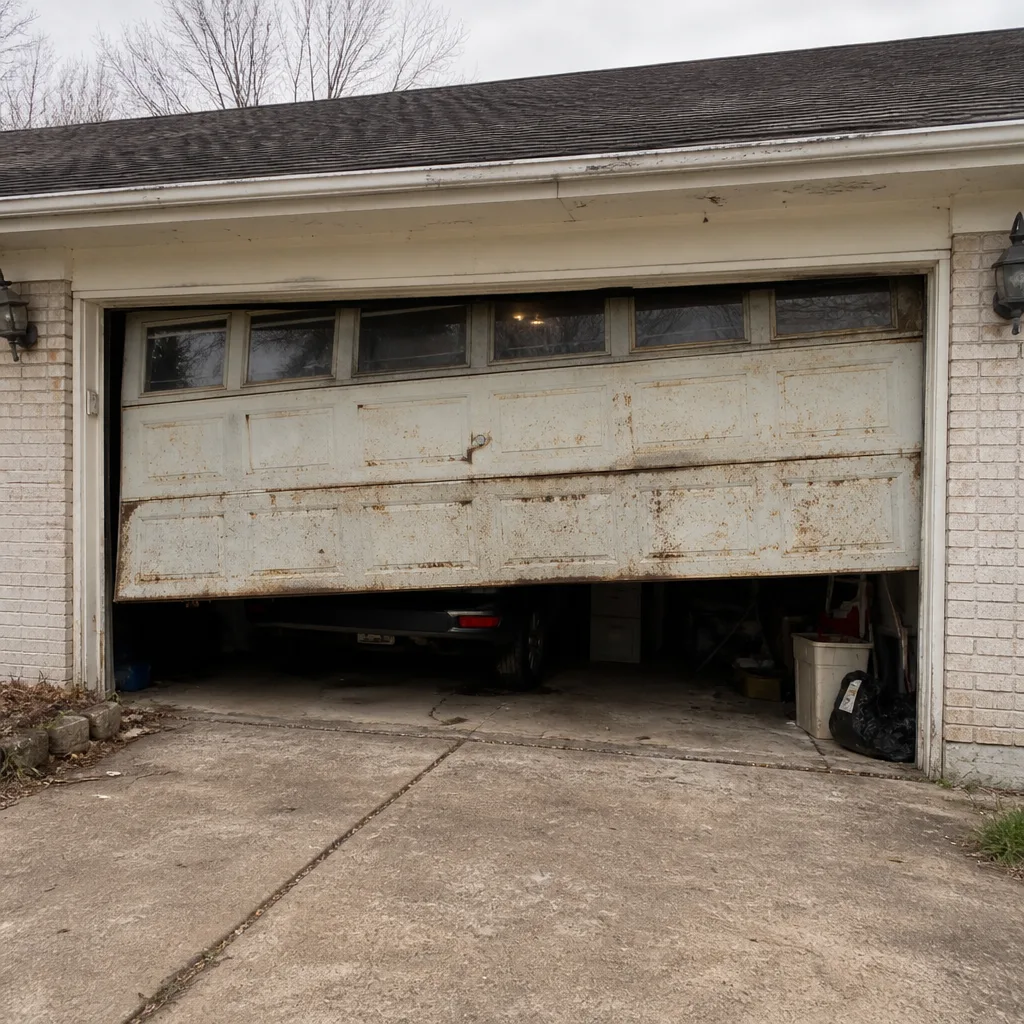 Before
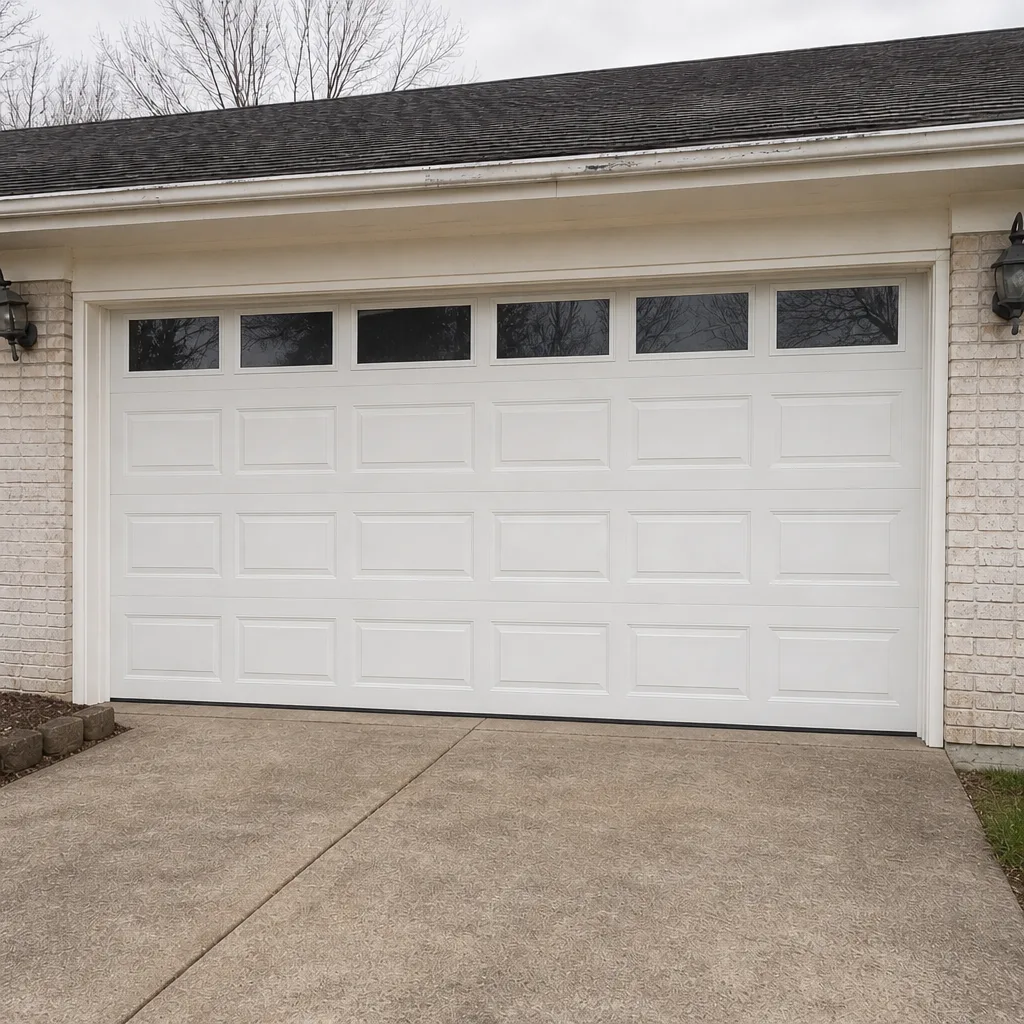 After
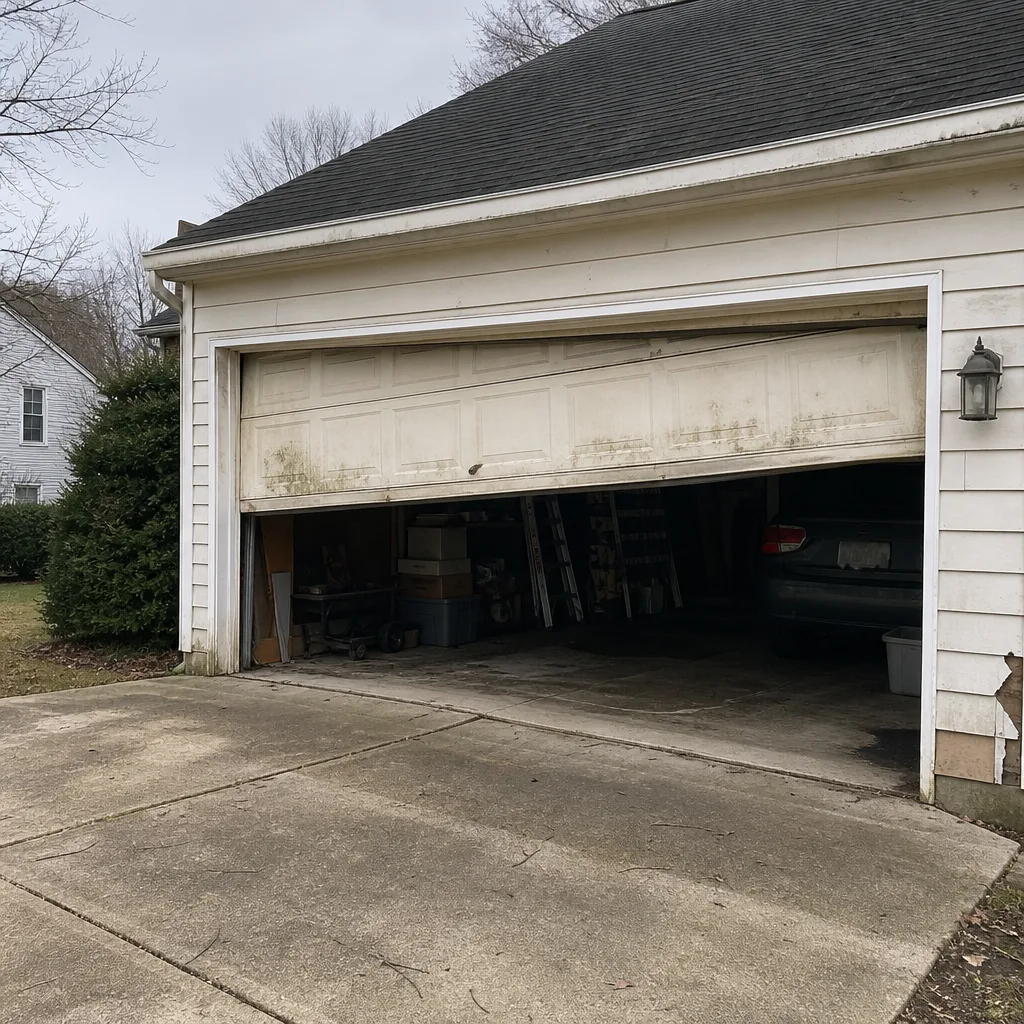 Before
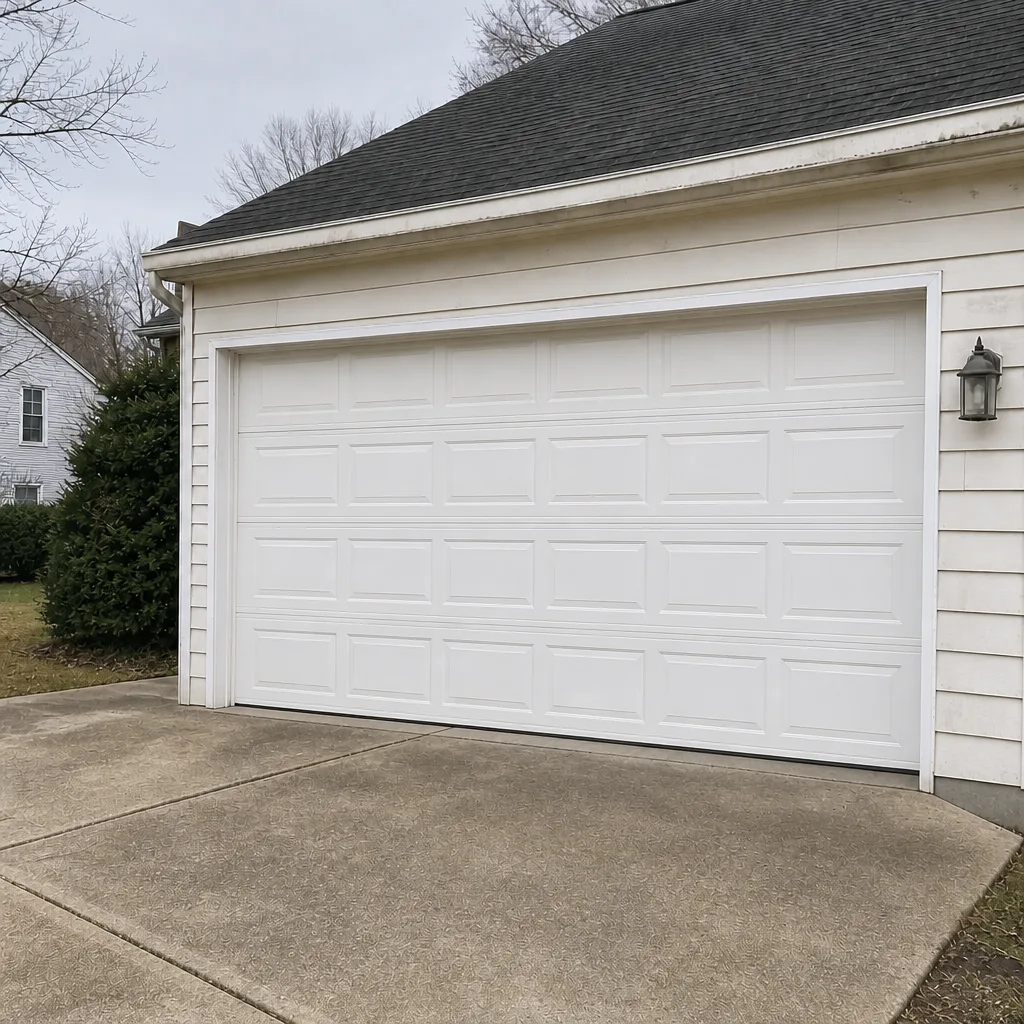 After
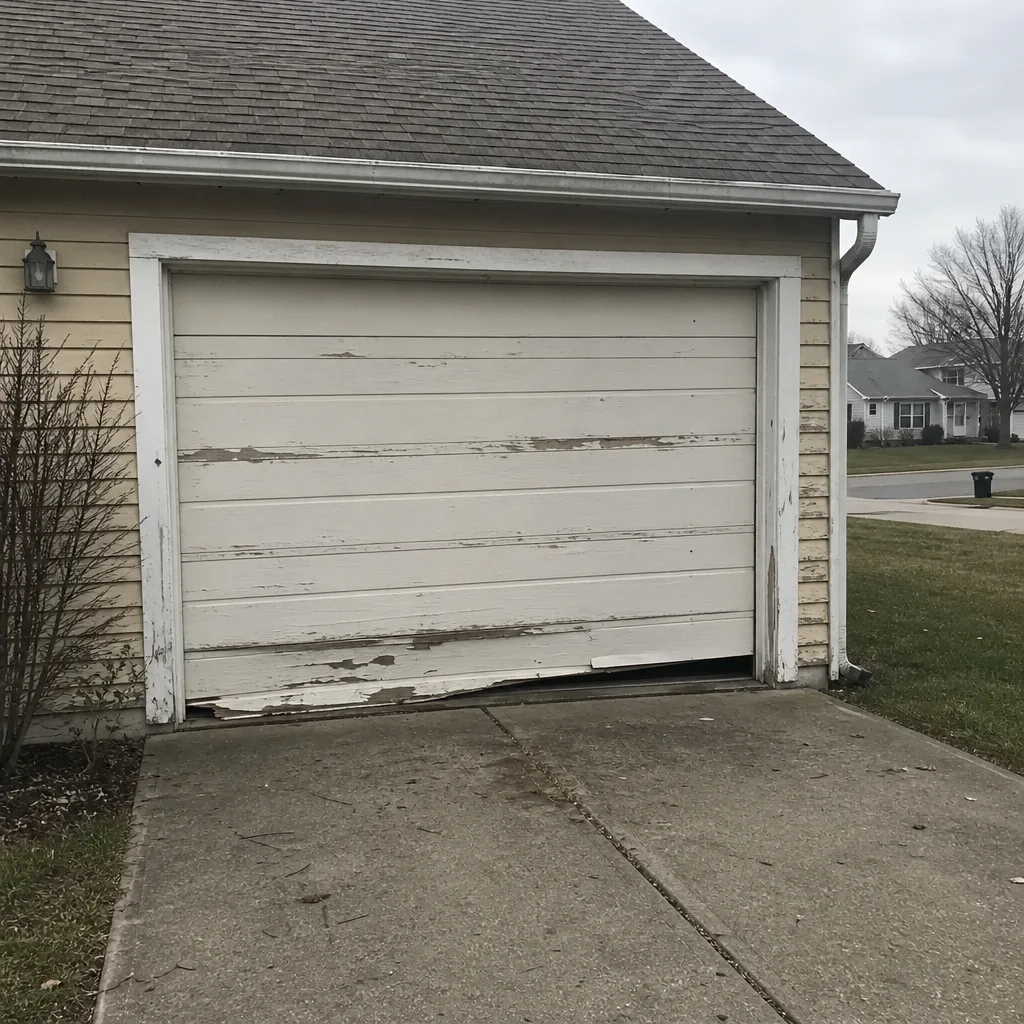 Before
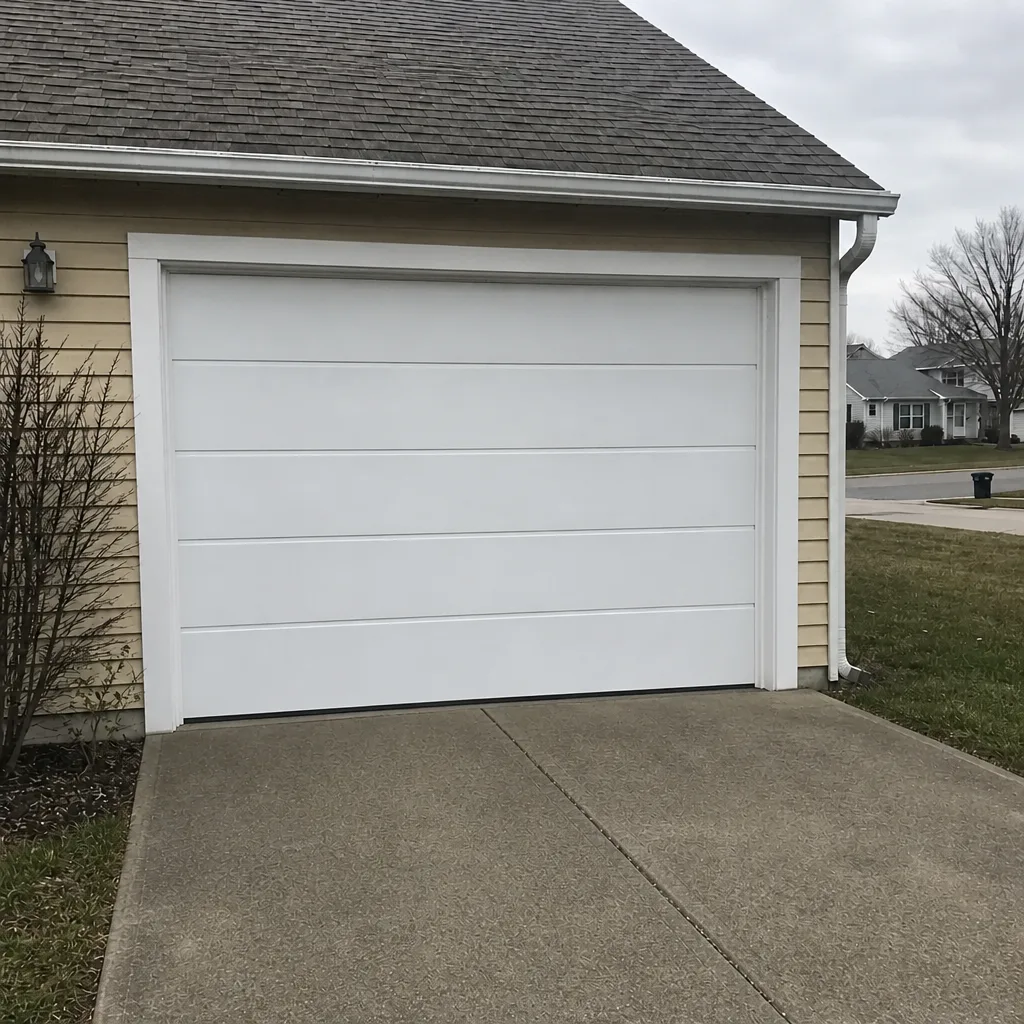 After