
Last updated November 15, 2026
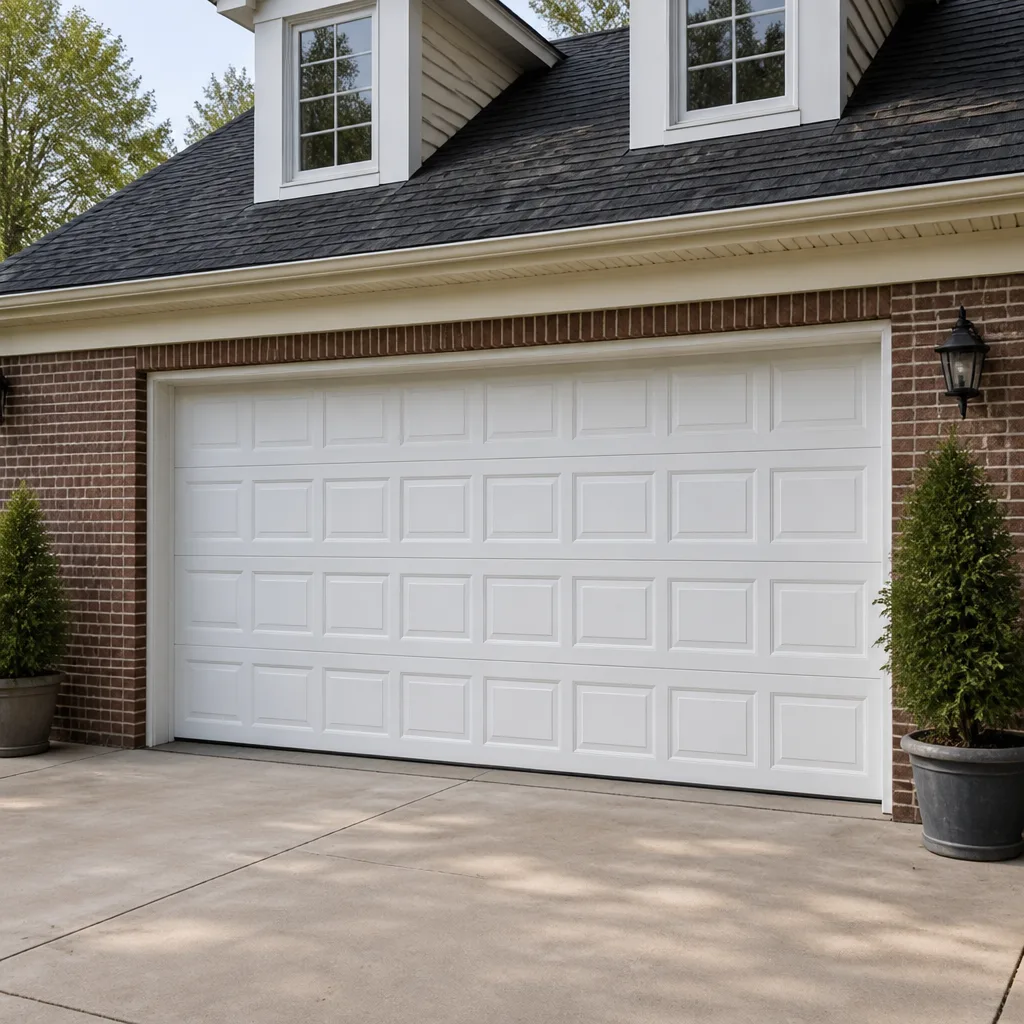 Raised-panel steel
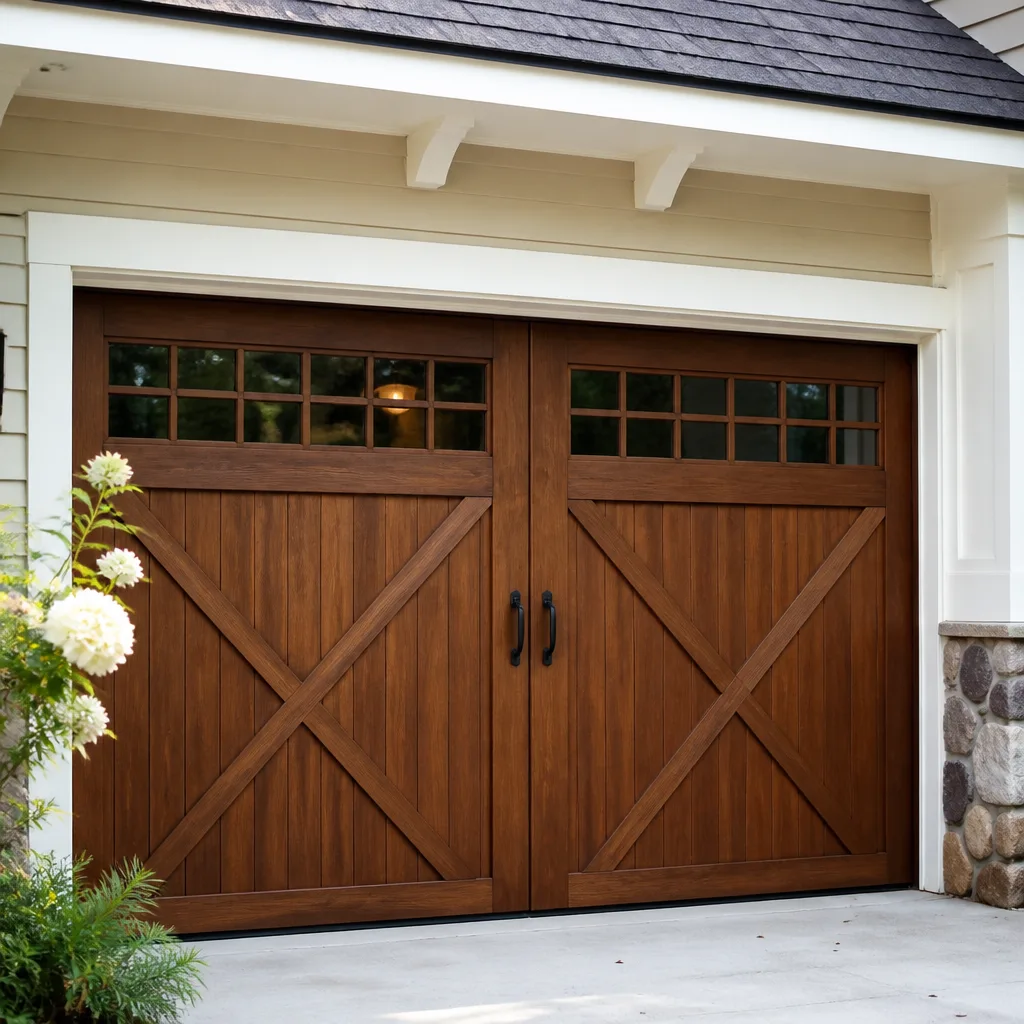 Carriage house
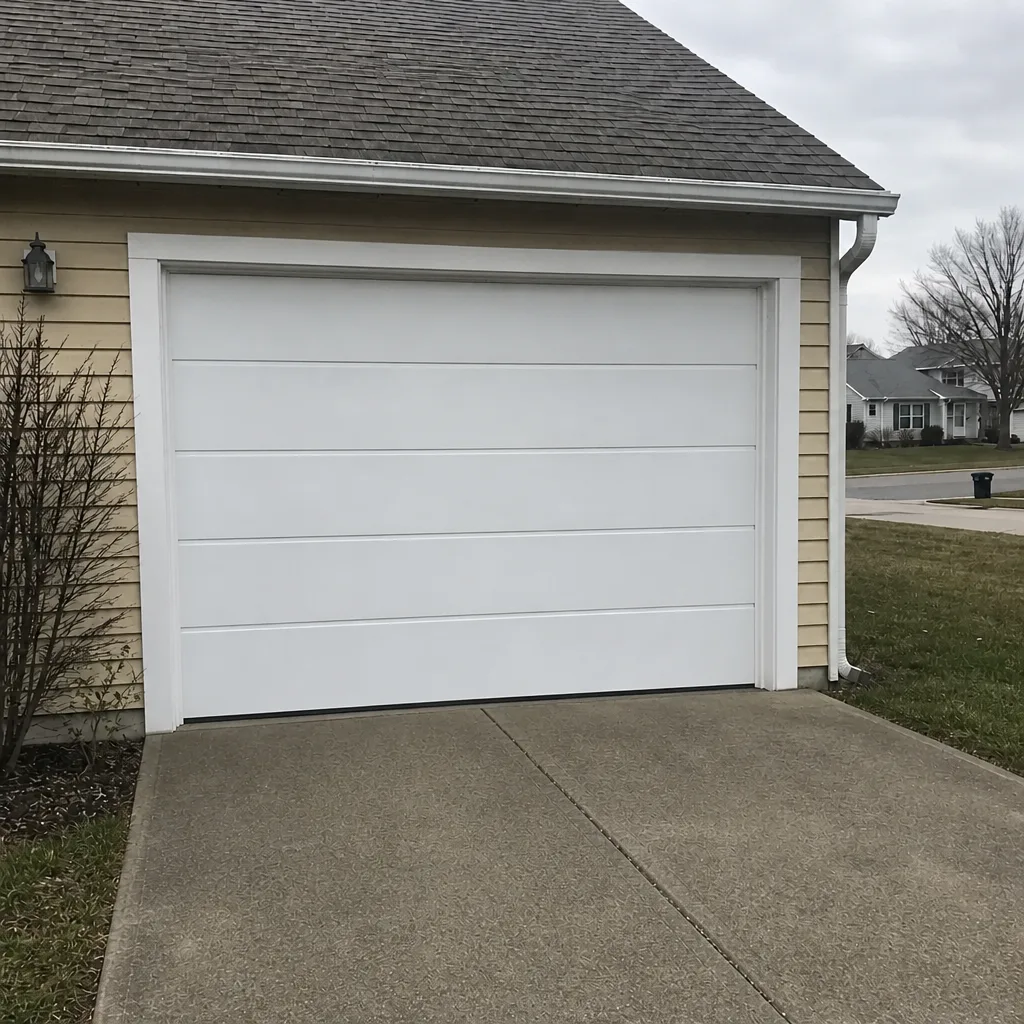
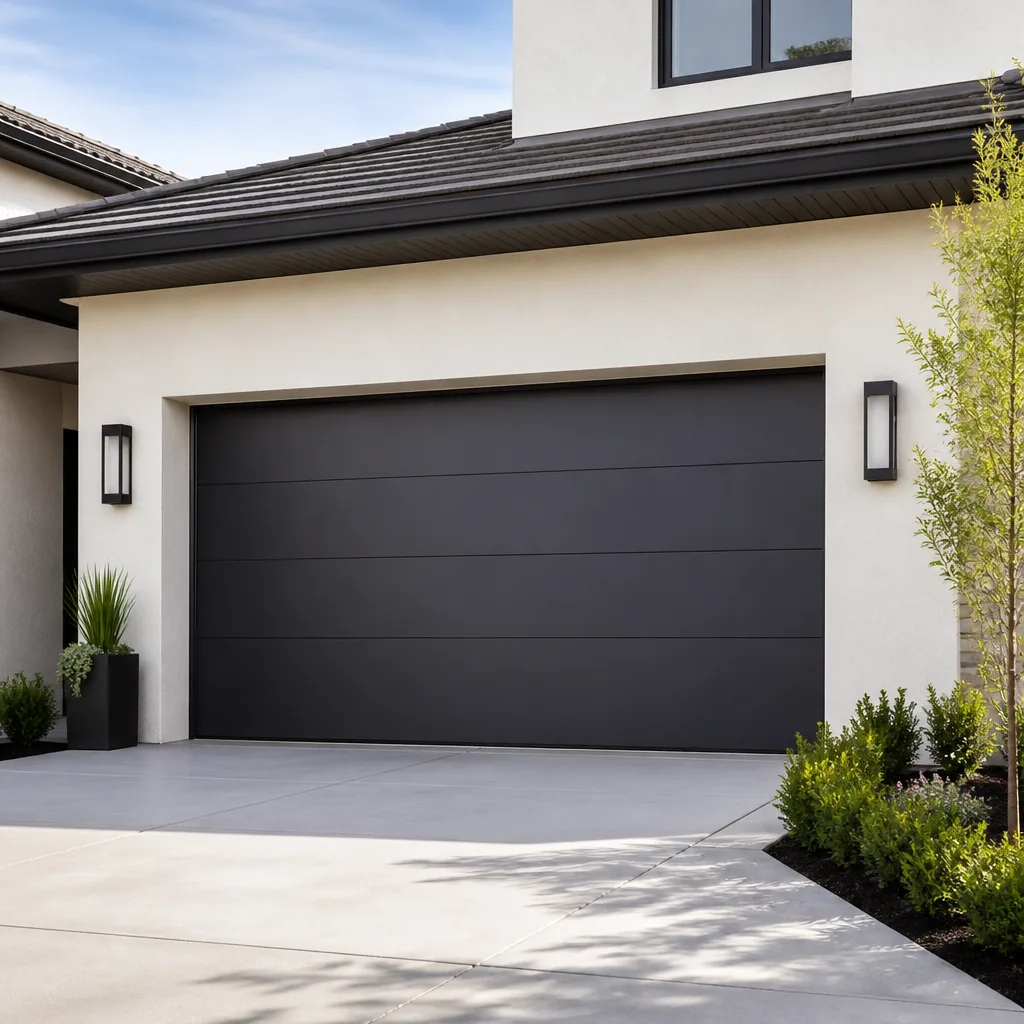 Modern flush
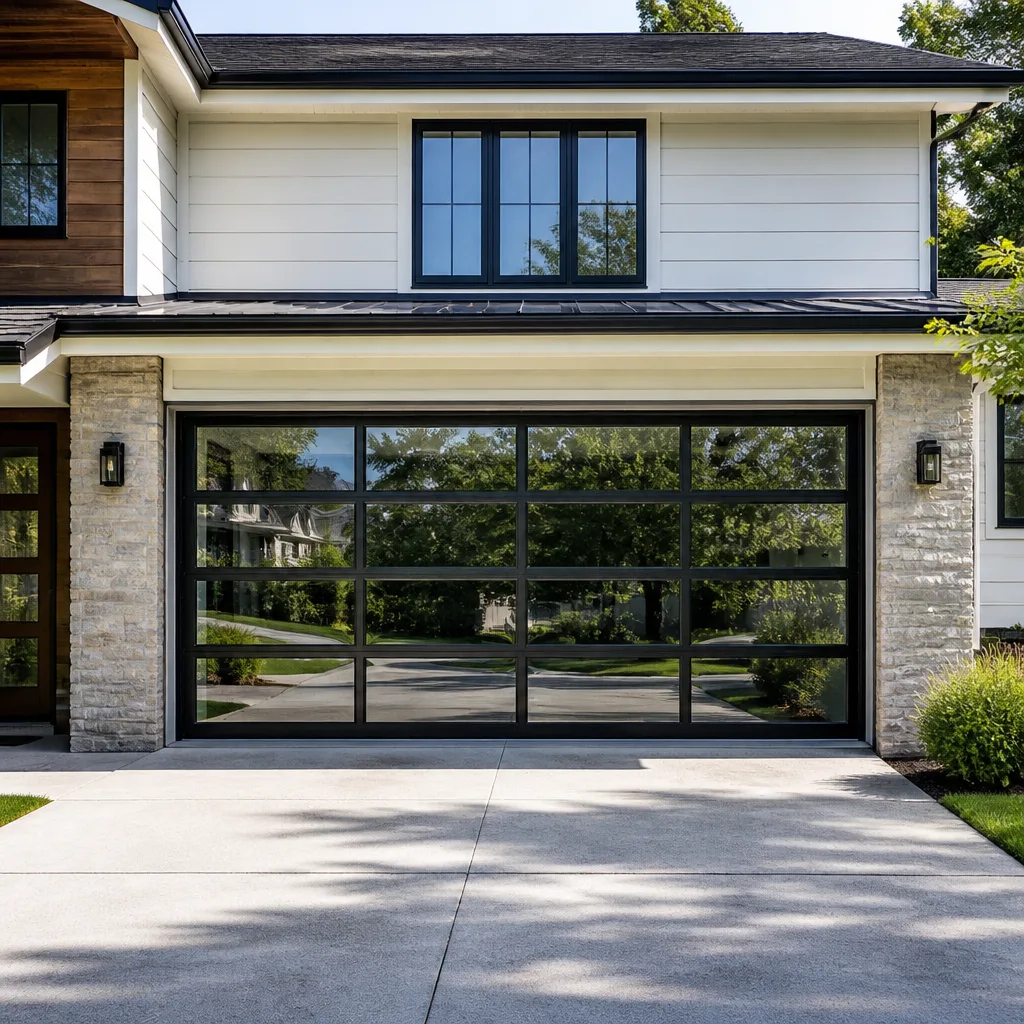 Full-view glass
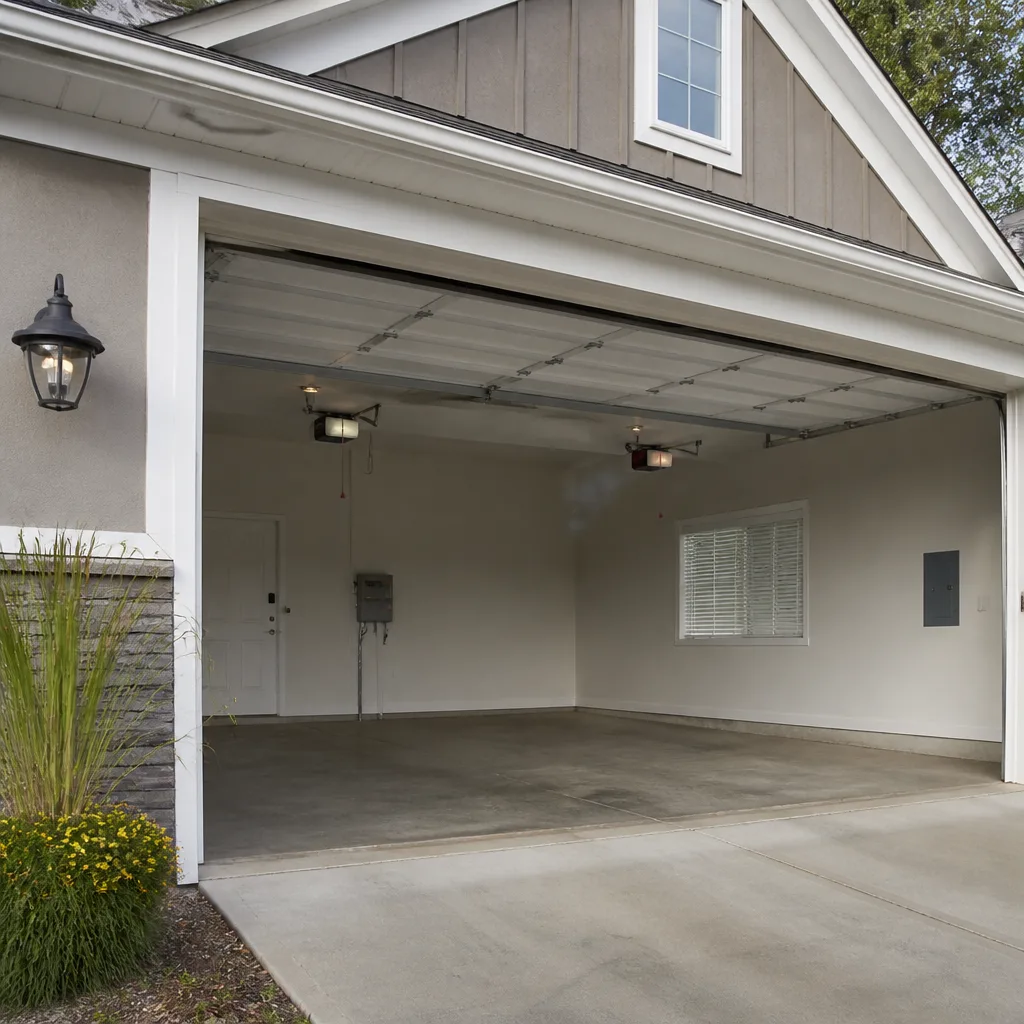 LiftMaster openers
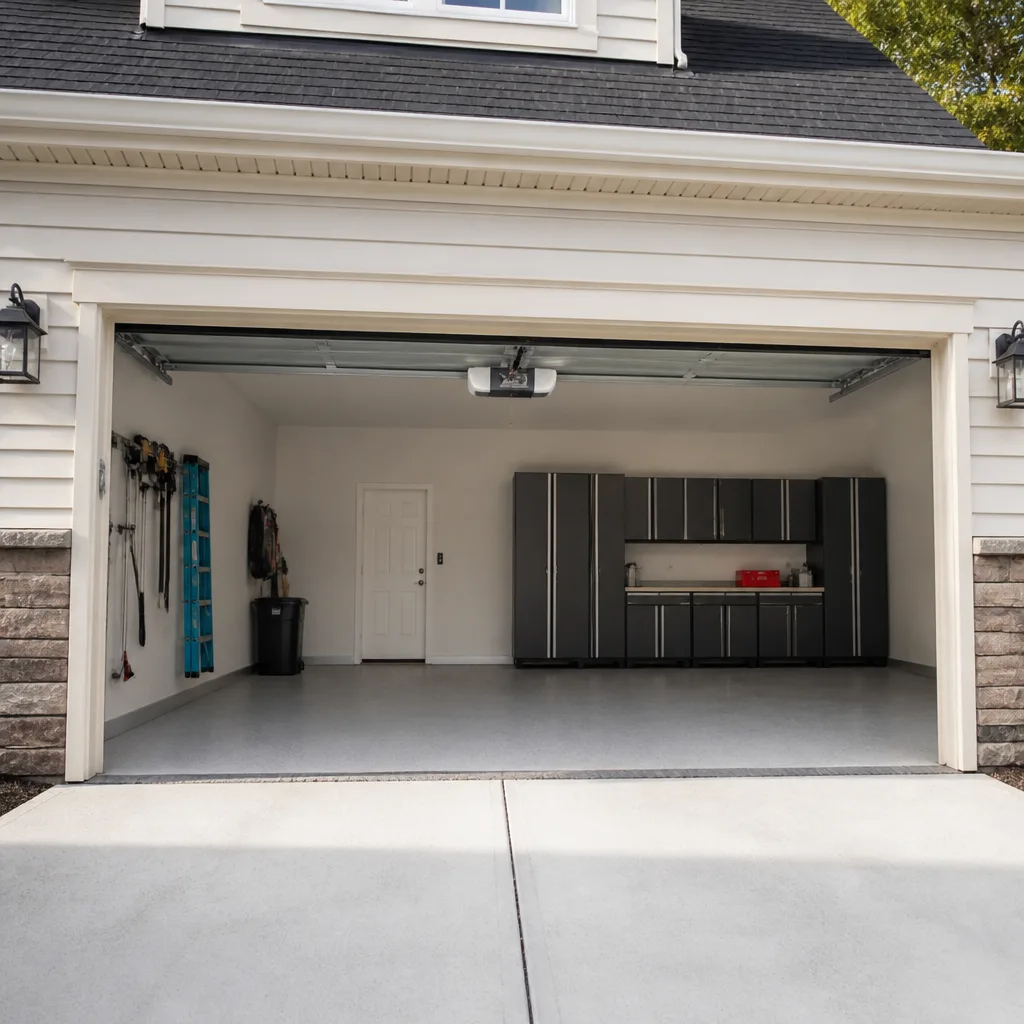 Chamberlain openers
Full 25-point door and opener safety check with every visit - springs, cables, rollers, tracks, and your LiftMaster or Chamberlain opener included
You get a price before we start. It does not change when the pro arrives.
Get your free estimateThe Complete Guide to Garage Doors in Carmel
The garage door is the largest moving part of a Carmel home and, in many subdivisions, the first thing an HOA board reviews, yet most homeowners research it less than they research a dishwasher. That gap causes real problems: a door ordered before the architectural review clears, an opener sized for a lighter door than the one that got installed, a spring replaced with a part that doesn’t match the cycle rating on the nameplate. A garage door is a mechanical system, and in Carmel it’s also a resale and neighborhood-standards decision. This guide covers how to read what you already have, how Indiana’s freeze-thaw swings wear different materials at different rates, what the local HOA landscape actually constrains, and how to size an opener to the door instead of guessing.
Quick Answer
A garage door in Carmel should be chosen and serviced as a complete system: the door panel and its weight, the springs rated for that weight, and an opener sized to lift it with margin. Before you shop or call, read the manufacturer’s nameplate on the door and the model label on the opener so you know what you’re replacing. Then check your HOA’s architectural guidelines, because in most Carmel neighborhoods material and color are decided by the board before they’re decided by you. That sequence – nameplate, then HOA, then quote – prevents almost every costly ordering mistake we see in this market.
Styles & brands we work with
- Raised-panel steel
- Carriage house
- Modern flush
- Full-view glass
- LiftMaster openers
- Chamberlain openers
Table of Contents
- How Do You Read a Garage Door Nameplate?
- How Do Carmel HOA Rules Shape Your Door Choices?
- How Does Indiana’s Freeze-Thaw Cycle Affect Garage Doors?
- How Do Door Weight, R-Value, and Opener Sizing Fit Together?
- Which Garage Door Material Holds Up Best in Carmel?
- How Do Door Upgrades Affect Resale in Hamilton County?
- Which Opener Type Fits Your Home?
- Repair or Replace: How Do You Decide?
How Do You Read a Garage Door Nameplate?
Every sectional garage door carries a manufacturer’s label near the bottom panel or on the end stile, and that label tells you nearly everything a technician needs before arriving. Read it before you call anyone. It’s usually a small sticker with a model number, a size, and sometimes a series name. A big share of homeowners have never looked at it.
The nameplate answers the first three questions on any service call: what door you have, how wide and tall it is, and what it was engineered to do. That lets whoever you hire bring the right springs and hardware instead of guessing or making a second trip.
What to Record Before You Call
- Model and series number from the door label. Clopay, Amarr, and Wayne Dalton all print theirs in slightly different spots, so scan both the bottom panel and the inner end stile.
- Door width and height measured inside the opening, not from the trim.
- Panel material and insulation, whether it’s steel, aluminum, wood, or a composite, and whether the panels are insulated or hollow.
- Opener brand and model from the label on the motor housing, plus whether it’s a belt, chain, or screw drive.
- Spring type: torsion (a horizontal shaft above the door) or extension (two springs running along the tracks).
That information changes the conversation entirely. When a homeowner in Carmel can tell us they have a Wayne Dalton model on a chain-drive opener, we already know what to expect on the visit. Garage doors are all we do, so the brand familiarity matters: we work on your brand rather than learning it on your driveway.
How Do Carmel HOA Rules Shape Your Door Choices?
Carmel is HOA-dense, and in subdivisions like Village of WestClay and Bridgewater the architectural review board decides material, color, and whether you can have windows long before a door company does. The practical consequence: an HOA denial after the door is ordered is one of the most expensive mistakes in this trade, because a custom-ordered door usually can’t be returned.
Approval rules vary from one community to the next, so the only reliable move is to read your own covenant documents and submit the request before you sign anything. Plenty of boards meet monthly and review submissions in batches, so a door chosen in a hurry can sit for weeks waiting on a decision.
What Boards Commonly Review
- Color. Most associations maintain an approved palette that matches the neighborhood, and “alabaster” from one manufacturer is not the same as another’s.
- Material and finish. Steel carriage-house styles are widely accepted; some boards restrict wood or require a specific panel profile.
- Windows and lites. Glass row count, placement, and whether the glazing must be frosted are frequent sticking points in upscale subdivisions.
- Hardware and trim. Decorative hinges, handles, and strap sets may need approval as a package with the door.
Here’s where a garage door specialist saves you a step: we can tell you what profile and finish options the major brands actually offer in your approved color family, so the door you submit is one that can be built. That’s a different conversation than the one a general handyman can have.
How Does Indiana’s Freeze-Thaw Cycle Affect Garage Doors?
Indiana’s climate swings across the freezing point repeatedly through winter, and that freeze-thaw rhythm drives more garage door wear in Carmel than most national buying guides acknowledge. When water gets into seams and hardware and then freezes, it expands. Do that enough times and steel panels develop paint failure at the edges, roller bearings stiffen, and wood components swell and check.
Most national guides are written from a single climate assumption and treat “steel” as one category. In practice, the same steel door that holds up in a mild climate can look tired after several Hamilton County winters if its finish or hardware isn’t suited to the moisture cycle. That’s why we pay attention to the finish system and the hardware as much as the panel material.
Where Freeze-Thaw Damage Shows Up First
- Bottom section and weather seal. The lowest panel sits closest to splash and snowmelt, and a worn bottom seal lets water reach the steel hem.
- Hinges and roller brackets. Cold stiffens grease, and repeated freeze-thaw cycles loosen fasteners over the years.
- Panel seams. Water collecting in the joint between sections is where paint first lifts.
- Tracks. Ground movement under a slab or a driveway can throw a track out of plumb, which then binds the door.
A seasonal look at the bottom seal, hinges, and track alignment catches most of this before it costs you a panel. If the door is already binding or making noise, that’s usually a sign to bring in garage door repair rather than wait for it to fail.
How Do Door Weight, R-Value, and Opener Sizing Fit Together?
Door weight, insulation value, and opener motor size are a single connected system, and mismatching them is one of the most common problems we find in Carmel homes. An insulated steel door is significantly heavier than an uninsulated one of the same size. Put an opener sized for the light door underneath the heavy one and you get a motor that strains, reverses under load, and burns out ahead of schedule.
R-value, the measure of a door’s insulation performance, rises with insulation thickness and panel design. It isn’t a free upgrade, though: the more insulated the door, the more lift capacity the opener and springs need. Springs in particular are rated for a specific door weight, so if someone replaces a light door with a heavy one and reuses the old springs, the whole system is out of balance from day one.
The Three Numbers That Have to Agree
- Door weight, which the manufacturer publishes per model and which the installed springs must match.
- Spring cycle rating, meaning how many open-close cycles the springs are built for before they’re expected to break.
- Opener lift capacity, which must exceed the door weight with margin for friction and cold-weather drag.
When all three agree, a door runs quietly for years. When they don’t, you get the symptoms homeowners describe as “the opener is going bad” when the opener is actually fine. This is why our technicians look at the door and the opener together on the same visit: fixing one without confirming the other is how callbacks happen. Garage doors are all we do, so a single-trade focus informs every diagnostic decision on the visit. For opener-specific problems, see garage door opener repair.
Springs and cables are under high tension and are genuinely dangerous to handle without the right tools and training. We don’t recommend homeowners adjust or replace them; a trained technician is the right call for anything involving the torsion shaft or the cables.
Which Garage Door Material Holds Up Best in Carmel?
For most Carmel homes, an insulated steel door is the practical default, with aluminum and composite options for specific situations. Steel holds paint well, resists the freeze-thaw cycle better than wood when the finish is intact, and comes in the widest range of profiles. Aluminum is lighter and resists corrosion, which makes it a good fit for larger doors where weight matters. Wood offers the best look and the most maintenance.
There’s no single right answer, because the HOA, the architecture of the house, and how the door faces the weather all factor in. A door on a north-facing wall spends more time damp and cold. A door that takes the afternoon sun cooks harder in summer.
Material Comparison at a Glance
- Insulated steel. The most common choice in Carmel subdivisions. Takes paint and finishes well, holds up to the freeze-thaw cycle, available with carriage-house panels from Clopay and Amarr.
- Aluminum. Lighter and corrosion-resistant, good where door size pushes weight up. Dents more easily than steel.
- Composite and faux wood. Gives the wood look with less moisture movement. Often a sensible HOA-friendly middle path.
- Wood. Beautiful and pricier to maintain. Requires refinishing to survive Indiana winters, and some boards restrict it.
Whatever the material, the finish is what determines how many winters it survives in Carmel. A factory finish on a good steel panel usually outlasts a field-applied one, which is worth asking about when you compare quotes.
How Do Door Upgrades Affect Resale in Hamilton County?
In a high-income market like Hamilton County, a tired garage door drags down curb appeal in a way a fresh coat of paint can’t fix, because it’s a large visual element on the front of the house. That’s the plain reality of selling in Carmel, where buyers arrive with a strong first impression already forming from the driveway. A door that matches the neighborhood’s aesthetic reads as a maintained home. A mismatched or dented one reads as deferred maintenance, and buyers price that in.
What we tell homeowners weighing a replacement before listing: a door upgrade is one of the few exterior projects that changes both the look of the house and how it functions. That makes it easier to justify than a purely cosmetic change, and it puts the improvement in front of every buyer who pulls up.
Where Curb-Appeal Dollars Do the Most
- The door itself. Panel profile, color, and windows are what buyers register from the street.
- The opener. A modern opener with a quiet belt drive and a functioning safety reverse is a feature buyers notice on a walkthrough.
- Trim and hardware. Small, low-cost details that finish the look and read as care.
- Service records. A door that’s been maintained and adjusted runs quietly, and quiet sells.
Not every improvement needs to be a full replacement. Sometimes a door is structurally fine and only the springs are past their cycle rating, a repair that costs far less than a new door. Our technicians have up to 8 years of experience reading exactly that difference, so the recommendation is the right fix rather than the easiest upsell.
Which Opener Type Fits Your Home?
Belt drive, chain drive, and screw drive each fit different households, and the right choice depends on where the garage sits relative to living space. Belt drive is the quietest and suits a garage under or beside a bedroom. Chain drive is the most common and the most durable for the price. Screw drive has fewer moving parts and can be a good fit in colder climates, though noise carries more than belt.
Smart openers have become a real consideration in Carmel, and the compatibility details matter: LiftMaster, Chamberlain, Genie, and Craftsman each run their own connectivity logic, and a smart-home integration that works with one may not work with another. If you already have an opener brand you like, it’s often smarter to stay within it than to change brands and redo the accessories.
How to Decide in Three Steps
- Look at where the garage sits relative to the house. Adjacent to living or sleeping space pushes you toward belt drive.
- Measure the door weight and check the spring rating so the opener lift capacity has margin.
- Decide on connectivity now, not later. If you want a smart opener, choose the brand that matches your home system before you buy.
Brand-agnostic is how we work. We service whatever you already have rather than steering you toward a single preferred line, so the recommendation is based on your door and your household, not on what’s easiest to sell. We’re factory-familiar with LiftMaster, Chamberlain, Genie, Clopay, Amarr, Wayne Dalton, Craftsman, and Raynor, which means a technician arrives already knowing the logic board layout or the screw-drive mechanics on the unit you own.
Repair or Replace: How Do You Decide?
Repair is usually the right answer when the door and panels are sound and the problem is a component: a spring past its cycle rating, a worn roller, a binding track, or an opener that’s failing. Replace when the panels are structurally compromised, when multiple components are near end of life at once, or when the door no longer matches the HOA requirements and needs a change anyway.
The decision usually comes down to how many of the door’s moving parts are already past their rated life. One failing part is a repair. Three at once, on a door that’s otherwise heading for replacement, is a conversation about the whole system.
A Simple Decision Framework
- One component failing, panels sound: repair.
- Springs and opener both near their cycle rating: repair both, or price replacement if the door is also showing finish failure.
- Panels cracked, delaminating, or off HOA spec: replace.
- Door weight no longer matches the opener: either resize the opener or replace the door, depending on the door’s condition.
Whichever way it goes, the price is quoted and agreed before any work starts, and the written estimate sets the final price. For anything that involves the torsion springs or cables, this is not a do-it-yourself job; a trained technician with the right tools handles it safely. If you’re leaning toward a new door, that’s a measured and scheduled job rather than a same-day repair, so we’ll come out, measure the opening, and put the price in writing.
Common Mistakes to Avoid
- Ordering before the HOA approval. A custom door that gets denied by the architectural review board in a Carmel subdivision is usually unreturnable, so submit the request first.
- Replacing springs without matching the door weight. Springs are rated for a specific door weight, and reusing the wrong ones puts the whole system out of balance from the start.
- Buying an opener before checking the door. Many “bad opener” symptoms are a door that’s out of balance or a spring past its cycle rating, and a new opener won’t fix either.
- Ignoring the bottom seal through winter. In Indiana’s freeze-thaw cycle, the bottom seal is the first line of defense against water reaching the steel hem, and it’s a cheap part to look after.
- Assuming the same brand everywhere. Color names and panel profiles differ between manufacturers, so don’t assume the HOA-approved color from one brand matches another’s.
- Letting a binding track go. A track out of plumb as the ground shifts will wear the rollers and eventually the panels, and it’s a quick fix caught early.
- Handling springs or cables yourself. These are under high tension and can cause serious injury without the right tools and training, so leave them to a trained technician.
See the difference
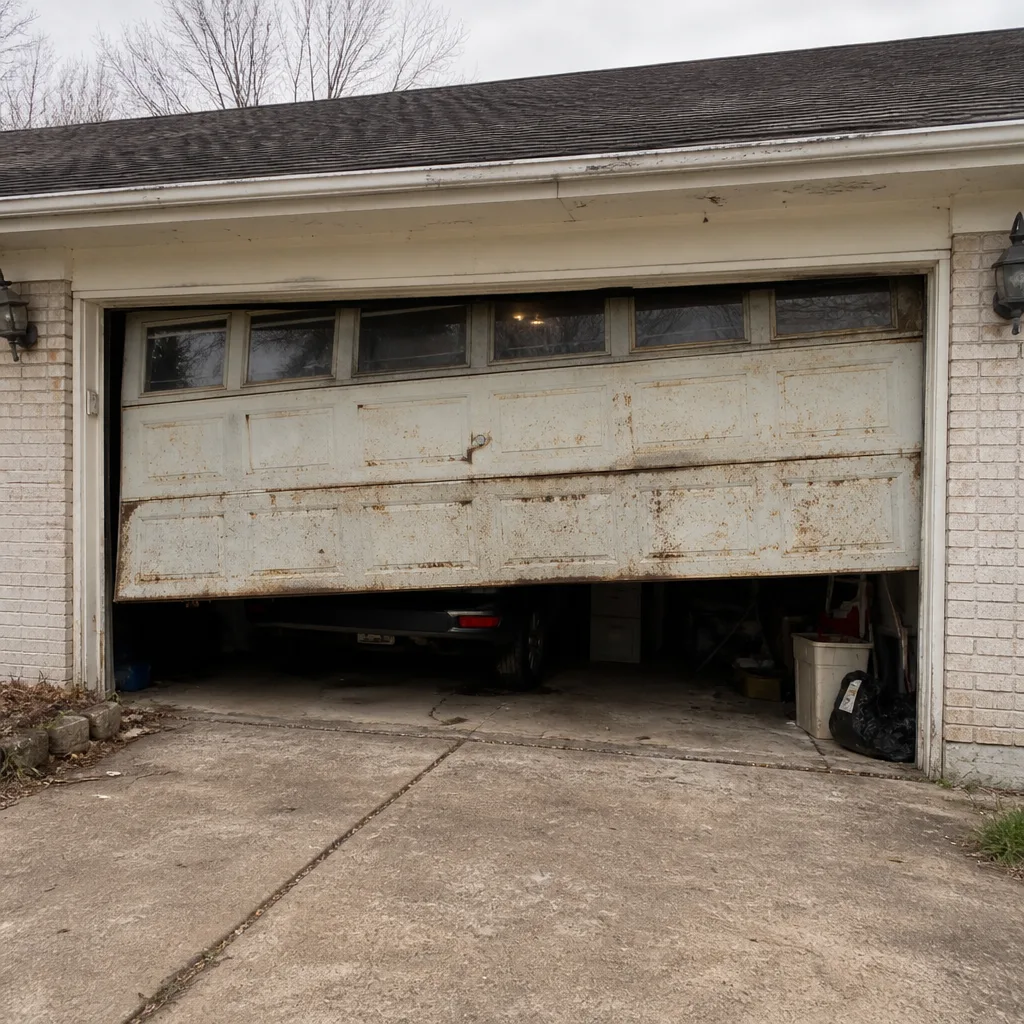 Before
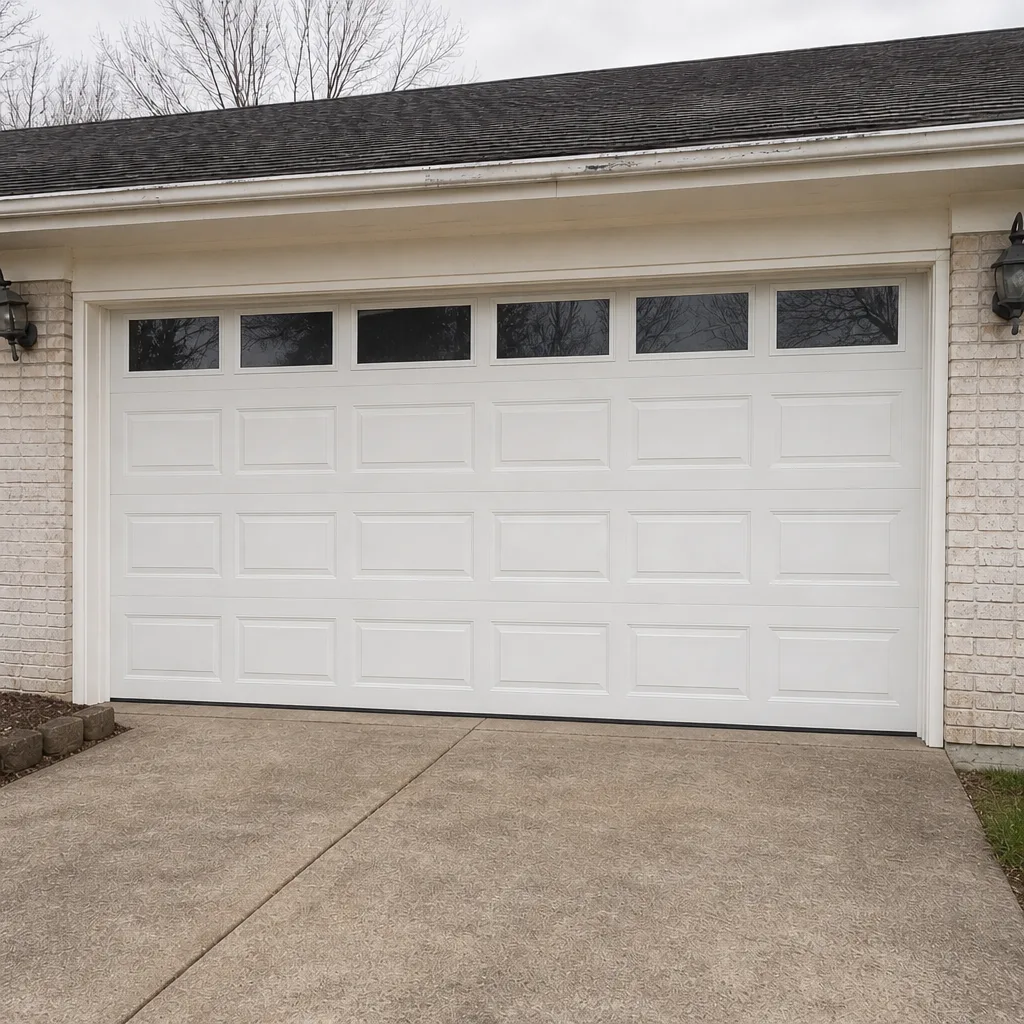 After
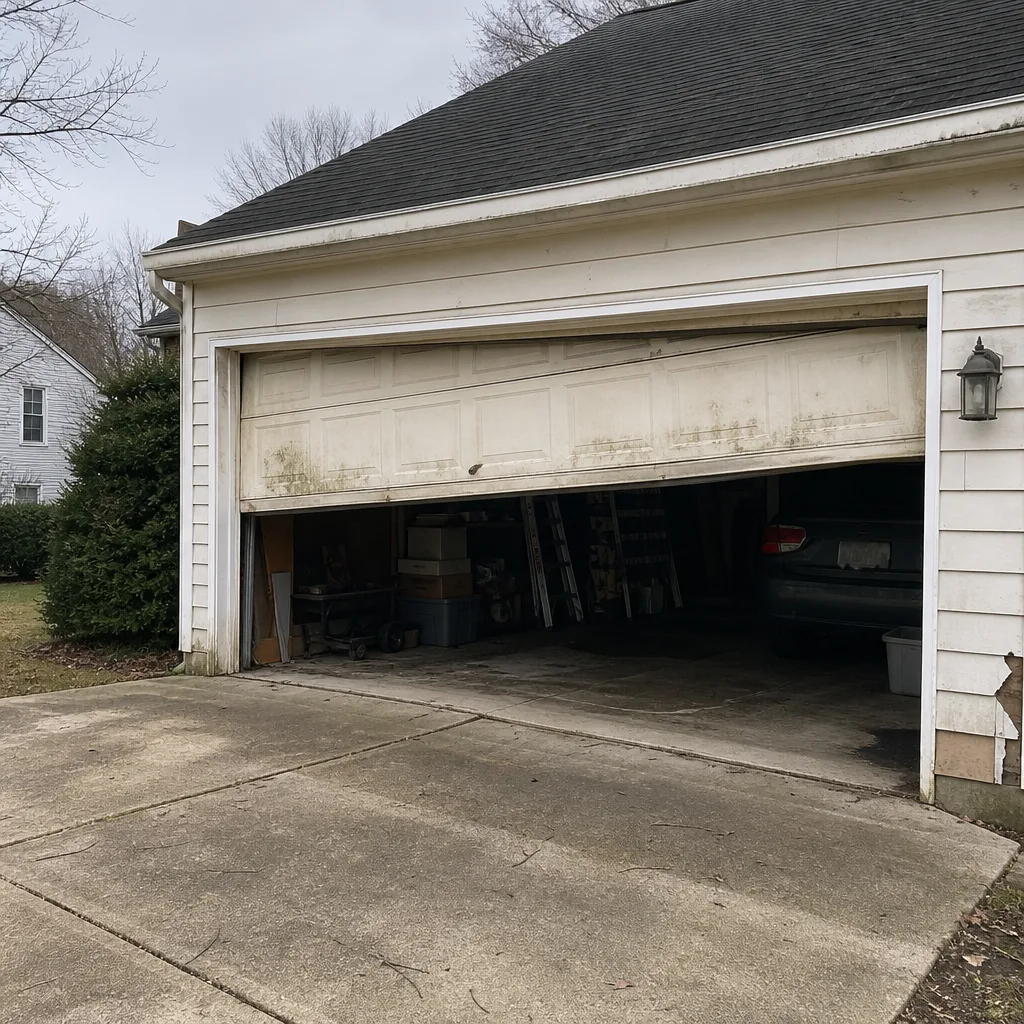 Before
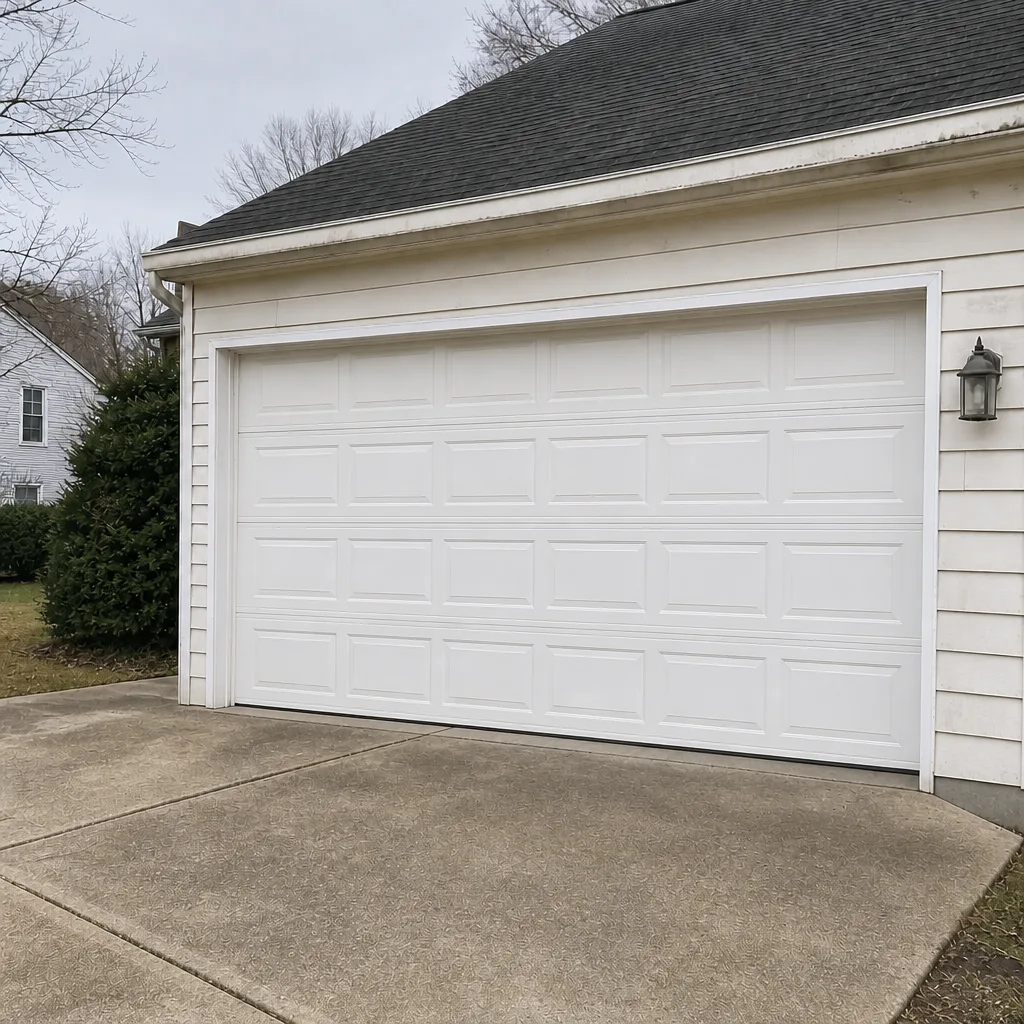 After
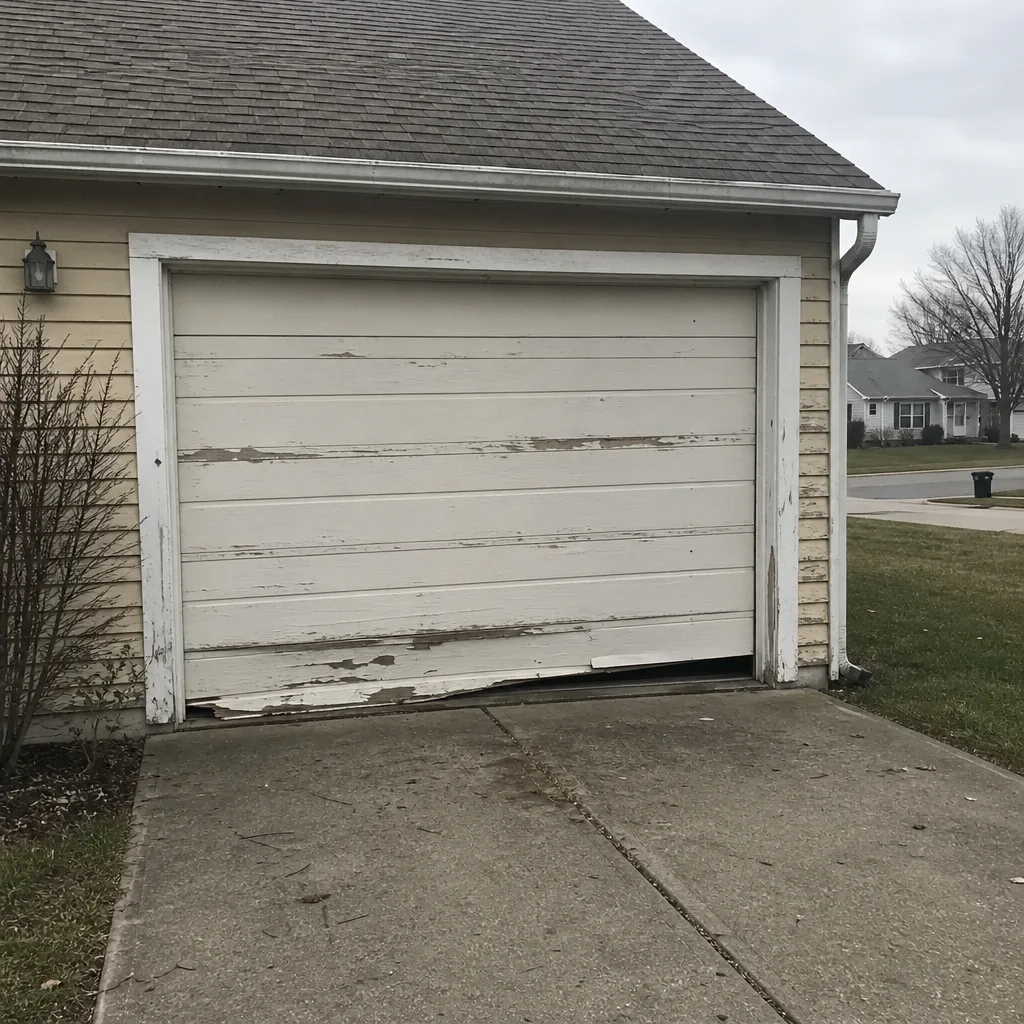 Before
 After
When to Call a Professional
Call when the door binds, when a spring breaks, when the opener reverses under load or won’t complete a cycle, or when the door is visibly sagging or off its tracks. Those are the situations where waiting usually makes the job bigger. Call sooner if you hear a loud crack from overhead, which is typically a torsion spring reaching the end of its cycle rating. Broken springs, cables, and anything involving the torsion shaft should always go to a trained technician.
Carmel Garage Door Service offers free estimates in Carmel and can diagnose the door and the opener on the same visit. Call (855) 535-1056. We answer 24/7. Fast dispatch from 7am to 7pm, Sunday through Friday.
Frequently Asked Questions
Read the nameplate on your current door and check your HOA’s architectural guidelines before you shop. The nameplate tells you the model, size, material, and insulation, which is what a technician needs to quote accurately. The HOA guidelines tell you what materials and colors are allowed in your community, and that’s what actually constrains your choices in most Carmel subdivisions.
Look for the manufacturer’s label near the bottom panel or on the inner end stile of the door. It lists the model, series, and size. Then check the label on the opener motor housing for the brand and drive type. Clopay, Amarr, and Wayne Dalton all print theirs in slightly different places, so scan both spots.
Usually, yes, or a more capable one than a lightweight door needs. Insulated doors are heavier, and the opener’s lift capacity has to exceed the door weight with margin for friction and cold-weather drag. The springs also have to be rated for the new weight. That’s why door weight, R-value, and opener sizing should always be planned together rather than one at a time.
Yes, and it does so at the seams and hardware first. Repeated freeze-thaw cycles push water into panel joints and around hinges, and when it freezes it expands, which lifts paint and stiffens bearings. The bottom section and weather seal take the worst of it because they sit closest to splash and snowmelt.
Yes. We work on LiftMaster, Chamberlain, Genie, Clopay, Amarr, Wayne Dalton, Craftsman, and Raynor, and we service whatever you already have rather than steering you toward one line. We’re factory-familiar with all eight brands, so a technician arrives already knowing the logic board layout or the drive mechanics on your unit.
A standard sectional replacement is a measured, ordered, and scheduled job rather than a same-day repair, and the install itself is typically completed within a day in most cases. The part that usually takes the longest is the order and delivery of the door, especially if it’s a custom profile or a color that has to be ordered. Call (855) 535-1056 for a free measure and a written estimate.
The Bottom Line
A garage door in Carmel is a mechanical system shaped by three local forces: HOA density, Indiana’s freeze-thaw cycle, and resale expectations in Hamilton County. Read the nameplate first so you know what you have. Check your HOA guidelines before you shop. Plan the door, springs, and opener together so the weights agree. Then let the door and the opener be diagnosed by a technician who does this one trade and knows the major brands. Whether it’s the door, the springs, or the opener itself, garage doors are all we do, and our technicians have up to 8 years of experience reading the difference between a repair and a replacement.
Call (855) 535-1056 for a free estimate. We answer 24/7. Fast dispatch from 7am to 7pm, Sunday through Friday. For any repair or opener issue, our Carmel Garage Door Service team is the single trade to call, and if you’re still working through the options for a repair, the garage door repair page covers what’s involved.
Written by the team at Carmel Garage Door Service.